
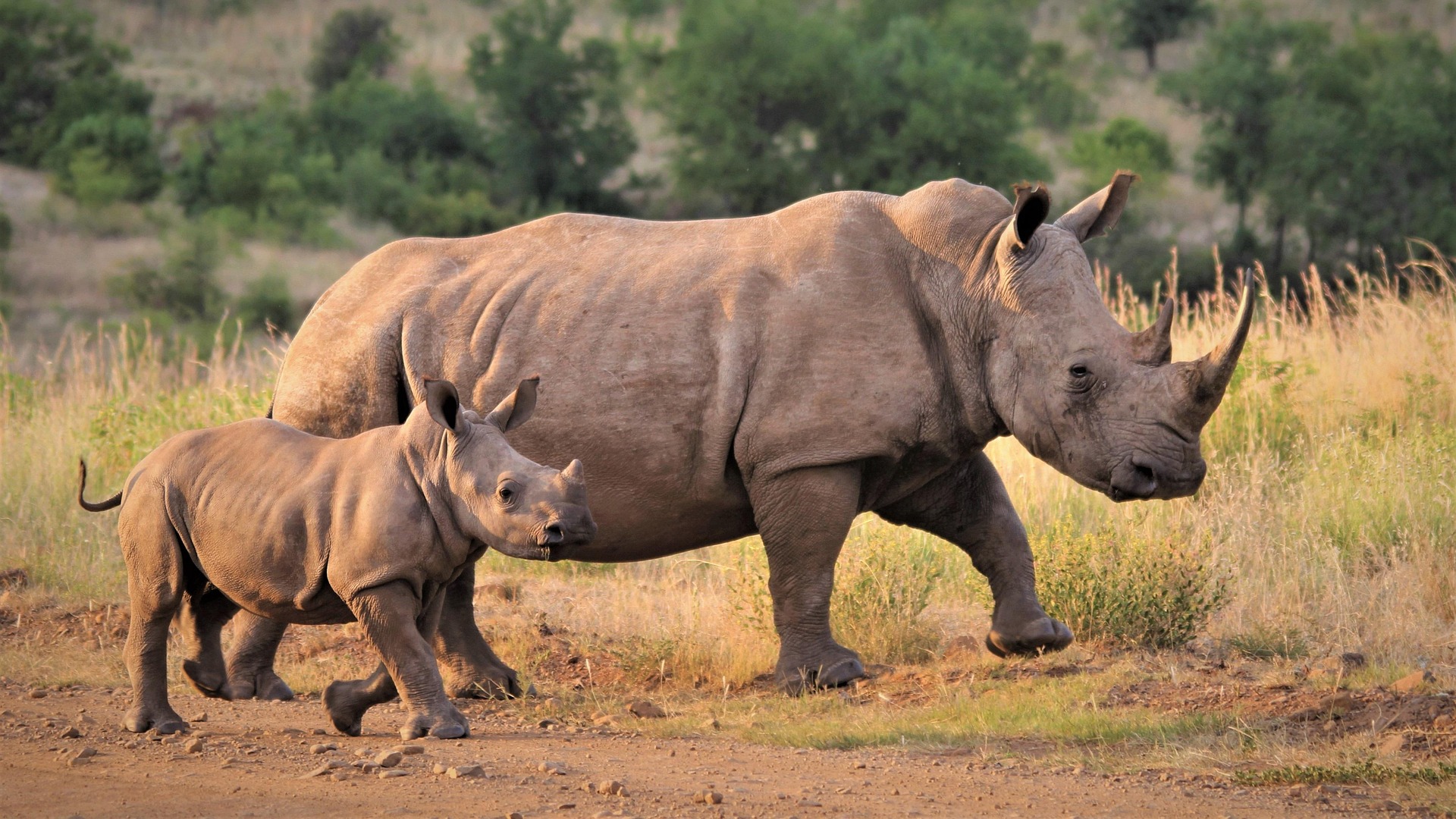
Introduction to Safari Adventures
The allure of safari adventures lies in the unique opportunity they offer to observe wildlife in their natural habitats. For many, the thrill of witnessing magnificent creatures, such as rhinos and other endangered species, in the wild is an unforgettable experience. Safaris provide an immersive encounter with diverse ecosystems, where visitors can gain a deeper appreciation for the rich tapestry of life that thrives across the globe. Beyond the mere observation of animals, these adventures often inspire a profound connection with nature, emphasizing the importance of wildlife conservation.
In recent years, the focus on responsible tourism has become increasingly urgent. As habitats shrink and poaching threats escalate, the role of safari tourism in conservation has never been more critical. Many safari operators are now committed to promoting sustainable practices that protect wildlife and support local communities. By choosing eco-friendly lodges and participating in conservation programs, travelers can contribute to the safeguarding of endangered species like the rhino. These efforts ensure that future generations may also experience the thrill of a safari, while simultaneously fostering a sense of stewardship toward our planet.
Certain destinations stand out as premier locations for spotting rhinos and other endangered species. Countries such as South Africa, Namibia, and Kenya boast national parks and reserves that are renowned for their commitment to wildlife protection. Safaris in these regions allow visitors to witness the majestic presence of rhinos as they roam freely in their natural environments. Moreover, these areas often serve as critical habitats for other endangered species, highlighting the importance of comprehensive conservation strategies that address the complex challenges facing wildlife today.
The Importance of Rhinos in Ecosystems
Rhinos play a crucial role in maintaining the health and balance of ecosystems in which they reside, often earning them the designation of keystone species. Their presence and activities significantly contribute to habitat maintenance, which in turn supports a diverse range of flora and fauna. As large herbivores, rhinos are known for grazing on grasses and browsing on bushes, which helps to shape the landscape. This foraging behavior prevents the overgrowth of certain plant species, ensuring a diverse plant community that benefits numerous other species. Additionally, their feeding habits create new pathways and clearings in dense vegetation, allowing light to reach the ground and supporting the growth of various plant species.
Moreover, rhinos help maintain the integrity of their ecosystems by aiding in the creation of waterholes and mud wallows that are essential for other wildlife. These depressions not only provide water sources during dry periods but also serve as key habitats for various amphibians, insects, and other animals. The impact of rhinos extends beyond their direct interactions; their large size and movement patterns influence nutrient cycling and distribution throughout their environments. This interconnectedness underscores the importance of rhinos in promoting biodiversity and ecosystem resilience.
Unfortunately, rhinos face numerous threats that jeopardize their populations and the ecosystems they help sustain. Poaching, driven by the demand for rhino horns, has reached alarming levels, leading to a significant decline in their numbers. Additionally, habitat loss due to agriculture and urban development further exacerbates the plight of rhinoceroses. Given their vital ecological role, the decline of rhinos has far-reaching consequences, not only for their own survival but also for the myriad of species that rely on healthy habitats. It is essential to prioritize conservation efforts aimed at protecting rhinos and their habitats to ensure the continued health of ecosystems where they play such a pivotal part.
Top Safari Destinations for Rhino Viewing
When considering the best safari destinations for rhino sightings, several exceptional locations stand out, each offering unique experiences and breathtaking wildlife encounters. Among these, Kruger National Park in South Africa is undoubtedly a leading contender. This vast reserve is home to a significant population of both black and white rhinos. The park’s diverse ecosystems facilitate a rich safari experience, making it an unforgettable adventure for nature enthusiasts. Visitors can explore various habitats on guided tours, increasing their chances of spotting these majestic creatures in their natural environment.
Another remarkable destination is Lake Nakuru National Park in Kenya. Renowned for its stunning landscapes and birdlife, this park also serves as a sanctuary for both species of rhinos. The unique setting of the pink-hued lake, surrounded by volcanic hills, offers an unparalleled backdrop for rhino viewing. Here, visitors can embark on game drives that typically yield high success rates in encountering these endangered animals. The park’s conservation efforts have enhanced the chances for tourists to witness rhinos while helping to protect their population against poaching.
Chobe National Park in Botswana is yet another excellent location for rhino sighting. This park is famous for its high density of wildlife and diverse ecosystems, which attract various species, including the endangered black rhino. The proximity of the Chobe River enhances the safari experience, allowing for boat cruises that offer a different perspective on the wildlife. Visitors can observe rhinos along the banks from the water, creating a memorable viewing opportunity. Overall, these destinations not only provide excellent chances for spotting rhinos but also contribute significantly to their conservation, making them essential stops for wildlife enthusiasts.
Other Endangered Species to Spot on Safari
While rhinos are often the focal point of safari adventures, they share their habitats with a host of other endangered species that require urgent attention for their conservation. Among these, the African elephant stands out as a remarkable giant, revered for its intelligence and social structure. Unfortunately, due to poaching and habitat loss, population numbers have drastically declined. The African elephant is now classified as vulnerable, with concerted global efforts necessary to prevent its further decline.
Another captivating species to observe during a safari is the cheetah, known for its stunning speed and agility. Despite its prowess, the cheetah is classified as vulnerable due to habitat fragmentation, human-wildlife conflict, and declining prey populations. Conservation measures are critical to ensuring the survival of these magnificent felines, as they play a vital role in maintaining the ecological balance of their ecosystems.
In addition to elephants and cheetahs, various species of big cats, including the lion and the leopard, also face significant threats. The lion is categorized as vulnerable, with numbers diminishing largely due to habitat loss and poaching. Similarly, leopards are struggling as their habitats face encroachment and they are often victims of retaliatory killings. These big cats are integral to the health of their habitats, as they help regulate prey populations and maintain the ecosystem’s natural balance.
Other noteworthy endangered species to consider include the African wild dog, which is one of the most endangered carnivores, and the Grevy’s zebra, known for its distinct stripes and diminishing populations due to habitat loss and competition with livestock. Observing these species in their natural habitat not only enhances the safari experience but also highlights the urgent need for conservation efforts aimed at preserving these iconic animals and their ecosystems.
Choosing the Right Safari Experience
Selecting the perfect safari experience is crucial for maximizing your chances of encountering rhinos and other endangered species in their natural habitat. Various options are available to cater to diverse interests, budget considerations, and travel styles. Understanding these choices will aid in crafting an unforgettable adventure that aligns with your expectations.
One popular option is the guided safari tour, which offers the advantage of expert knowledge and support. Professional guides not only provide valuable insights into wildlife behavior and ecology but also enhance your chances of spotting elusive creatures such as rhinos. Guided safaris typically include transportation, meals, and accommodations, making them an all-inclusive experience. Managing logistics through these tours allows travelers to focus on wildlife viewing rather than navigation.
Alternatively, for those seeking a sense of independence, self-driving safaris can be an exciting option. This experience allows individuals or families to explore specific national parks or reserves at their own pace. While self-driving adds flexibility, it is essential to research and plan routes carefully to ensure optimal wildlife viewing opportunities. Travelers often find that specific areas are more prolific in rhino sightings, and knowing when to visit those regions can significantly enhance the experience.
Luxury lodges offer a distinctive approach to safari experiences, combining high-end accommodations with guided wildlife viewing. These lodges frequently boast prime locations near key habitats for endangered species, providing guests with remarkable opportunities for close encounters. Additionally, luxury options often feature exclusive amenities, such as spa services, gourmet dining, and personalized itineraries, allowing for a more relaxed and indulgent way to appreciate the beauty of nature.
Ultimately, the right safari experience hinges on individual preferences and the specific wildlife one hopes to witness. Whether opting for a guided tour, self-driving expedition, or a luxury lodge stay, selecting an option that aligns with your interests is essential for an enriching experience in the wild.
Best Time to Visit for Wildlife Viewing
When planning a safari with the intent of spotting rhinos and other endangered species, understanding the best time to visit is crucial. Wildlife viewing is highly influenced by seasonal variations, including animal behavior, climatic conditions, and migration patterns. In general, the dry season, typically between May and October, is regarded as the prime time for safari trips in many regions of Africa. During this period, animals congregate around dwindling water sources, making them easier to spot.
For instance, in South Africa’s Kruger National Park, the winter months (May to August) provide excellent visibility as the bush thins out, allowing for clearer and more unobstructed views of rhinos and other wildlife. Furthermore, these months coincide with lower humidity and cooler temperatures, enhancing the overall safari experience. The chances of seeing endangered species are heightened, particularly as they become more active in search of food and water.
Contrastingly, the wet season, from November to April, while offering lush landscapes and vibrant flora, may not be the best for spotting wildlife. Rain can cause animals to disperse, making them harder to find. However, this season does have its advantages; it is a time of increased animal births, and visitors may witness young animals in their natural habitats. Notably, some protected areas, like Namibia’s Etosha National Park, are prime for viewing wildlife throughout the year, yet late afternoon drives during the cooler months are particularly fruitful.
In conclusion, selecting the appropriate season for wildlife viewing can significantly enhance the chances of encountering rhinos and other endangered species in their natural habitats. Whether travelers prefer the dry or wet seasons, understanding these seasonal dynamics is paramount for maximizing the safari experience.
Tips for Responsible Wildlife Viewing
Participating in a safari offers an unparalleled opportunity to observe wildlife in their natural habitats. However, it is crucial to engage in responsible wildlife viewing to ensure the protection of both the animals and their ecosystems. One of the fundamental practices is to respect the wildlife by maintaining a safe distance and avoiding any actions that could stress or disturb the animals. Close proximity can lead to adverse behaviors and may provoke defensive reactions, particularly in endangered species like rhinos. It is essential to adhere to park guidelines, which are established to safeguard not only the animals but also visitors.
While on safari, always follow the instructions provided by your guide. These professionals are trained to assess the environment and animal behavior, ensuring safety for both guests and wildlife. For example, staying within designated viewing areas prevents damage to sensitive ecosystems and preserves the integrity of natural habitats. Additionally, refraining from feeding wildlife is necessary as it can alter their natural foraging behavior and dependency on human-provided food sources.
Supporting local conservation efforts is another critical aspect of responsible wildlife viewing. Many safari operators contribute to community initiatives and wildlife preservation programs. Choosing a tour operator that prioritizes sustainable practices enables visitors to support conservation work, which is vital for the survival of endangered species, including diverse rhino populations. Furthermore, educating oneself about the local ecology and the challenges these animals face can foster a deeper connection and commitment to their conservation. Being a responsible safari participant not only enriches your experience but also contributes positively to the ongoing efforts to protect these magnificent creatures for future generations.
Conservation Efforts and Initiatives
Conservation initiatives focused on protecting rhinos and other endangered species have gained momentum in recent years, driven by the increasing threat of poaching and habitat loss. Anti-poaching measures play a vital role in safeguarding these animals. Countries such as South Africa and Namibia have implemented rigorous anti-poaching patrols, employing both technology and local communities to monitor and protect rhino populations. Drones, tracking systems, and trained canine units have proven effective in detecting and deterring poachers, raising the stakes in the battle to protect these majestic creatures.
Community engagement programs are another cornerstone of conservation efforts. By involving local communities in wildlife protection, initiatives create a sense of ownership and responsibility towards rhino and other endangered species conservation. Educating local populations about the ecological and economic benefits of preserving these animals fosters a collaborative environment. For instance, in Kenya, the “Adopt a Rhino” program engages communities by providing them with financial incentives tied to wildlife preservation. This not only helps in conserving rhinos but also improves livelihoods and promotes sustainable tourism.
Tourists can play an essential role in these conservation efforts through their safari choices. Responsible tourism practices, such as selecting eco-friendly lodges or participating in conservation-oriented tours, contribute directly to funding wildlife protection initiatives. Many safari operators now ensure that a portion of their profits supports local conservation projects, creating a positive impact on both the environment and community. Successful case studies, such as the white rhino recovery in South Africa, showcase the potential of concerted conservation efforts. By restoring habitats and implementing stringent anti-poaching measures, these regions have witnessed significant population rebounds. Such models exemplify how integrated conservation practices can lead to meaningful change and inspire similar efforts worldwide.
Conclusion: The Future of Wildlife Safaris
The importance of eco-tourism in the realms of wildlife safaris cannot be overstated, particularly regarding the conservation of endangered species such as rhinos. Eco-tourism serves as a powerful tool for promoting sustainable travel practices that support the preservation of wildlife and their habitats. By choosing eco-friendly safari experiences, travelers contribute to the funding of conservation projects dedicated to protecting endangered animals. This connection between tourism and wildlife sustainability reinforces the notion that responsible travel can have a profound positive impact on the protection of species on the brink of extinction.
For rhinos, which face threats from poaching and habitat loss, the financial support garnered through eco-tourism is critical. Many safari operators allocate a portion of their profits toward anti-poaching initiatives and community education programs aimed at fostering coexistence between wildlife and local populations. As travelers engage with these initiatives, they gain a deeper understanding of the challenges faced by these magnificent creatures and the ecosystems they inhabit. This understanding can empower them to take individual actions that promote wildlife advocacy beyond their trip.
As we reflect on the future of wildlife safaris, it becomes essential for travelers to consider the implications of their travel choices. Each safari experience presents an opportunity to advocate for the survival of endangered species. By visiting parks and reserves that prioritize conservation, travelers can support local economies and ensure that these breathtaking landscapes remain protected for generations to come. Ultimately, the responsibility lies with each of us to play a part in advocating for wildlife protection while enjoying the beauty of nature, thereby securing a balanced coexistence that benefits both humans and wildlife alike.
No responses yet