
Introduction to African Elephants
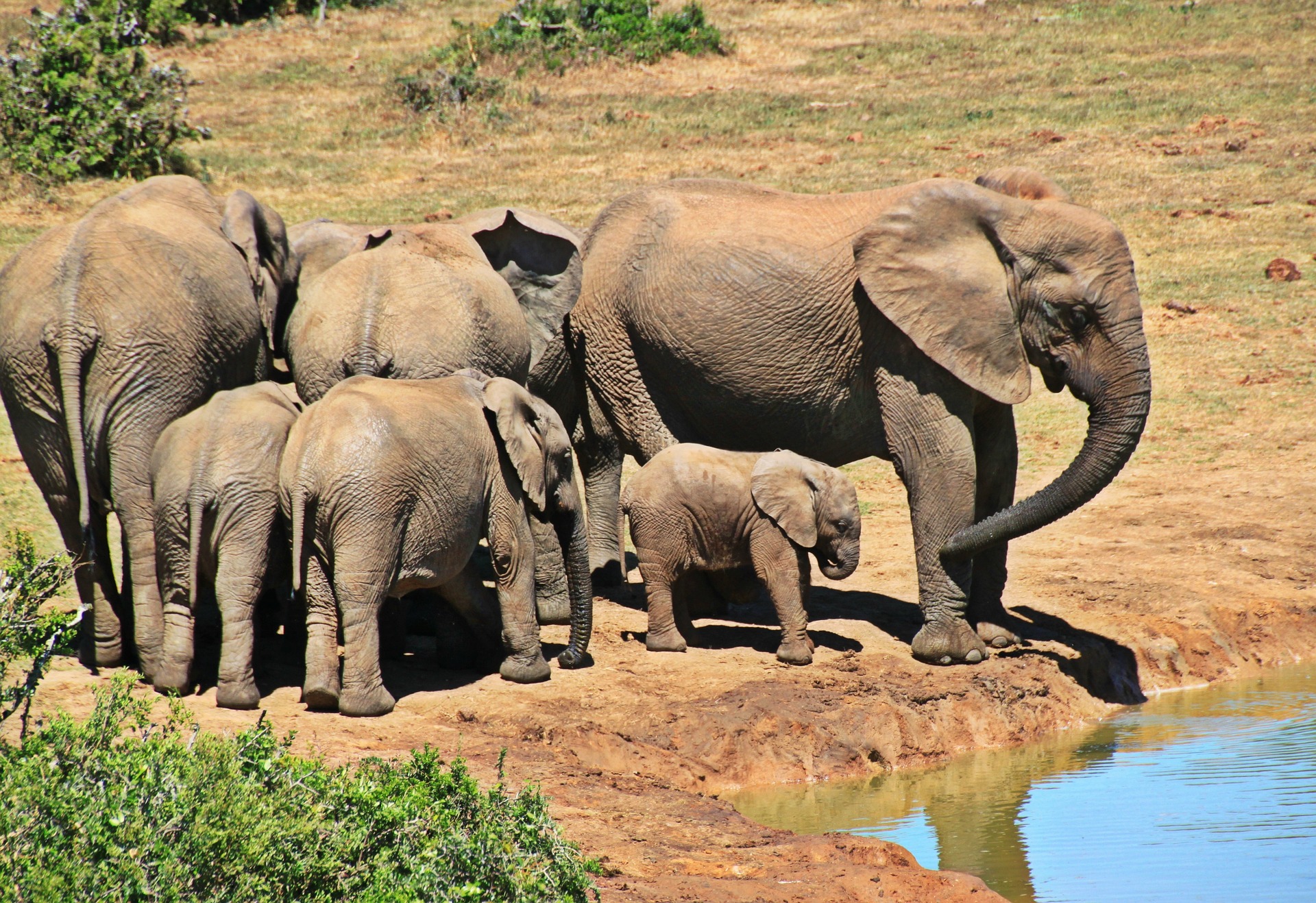
African elephants, the largest land mammals on Earth, are distinguished by their impressive size, intelligence, and complex social structures. Weighing between 2,200 to 6,600 kilograms and measuring up to 4 meters at the shoulder, these magnificent creatures are known for their large ears, which help regulate their body temperature, and their long trunks, which serve a multitude of purposes, including feeding, drinking, and social interactions. Their skin, though thick and wrinkled, plays a vital role in protecting them from environmental elements and parasites.
Elephants are highly social animals, living in matriarchal herds commonly led by the oldest and often largest female. These herds consist of related females and their young, with strong familial bonds and cooperative parenting. Males typically leave the herd upon reaching maturity and may form small bachelor groups or lead solitary lives. Communication among elephants is sophisticated, utilizing vocalizations, body language, and even infrasound—low-frequency sounds that can travel long distances, allowing them to maintain contact over vast expanses.
The importance of conservation efforts for African elephants cannot be overstated. Threats such as habitat loss and poaching have significantly diminished their populations. Safari parks and reserves play a critical role in protecting these animals, offering a sanctuary where they can thrive in their natural habitat while also serving as vital educational resources for visitors. By promoting ethical wildlife viewing experiences, these parks foster a deeper appreciation for the challenges elephants face and the urgent need for conservation initiatives. As we delve further into the best safari parks to view elephants, awareness of their plight and the significance of preserving their habitats will underscore our exploration.
Why Choose Safari Parks for Elephant Viewing?
Choosing safari parks for elephant viewing provides a unique opportunity to witness these magnificent creatures in their natural habitats. Unlike traditional zoos, safari parks are designed to replicate the expansive environments that elephants thrive in, allowing visitors to see them engage in authentic behaviors such as grazing, socializing, and bathing. This more extensive and natural setting significantly enhances the overall experience of observing elephants, offering a perspective that is both educational and immersive.
Safari parks often provide guided tours led by knowledgeable rangers who possess a wealth of information about elephant behavior, ecology, and conservation efforts. These experts not only enhance the appreciation of the elephants but also facilitate a deeper understanding of their role within the ecosystem. The opportunity to learn from guides during a safari experience is invaluable, as they can share fascinating insights regarding the social dynamics of elephant herds and the challenges they face in the wild due to habitat loss and poaching.
Moreover, safari parks offer excellent opportunities for photography, allowing visitors to capture stunning images of elephants against breathtaking backdrops. The expansive landscapes of many safari parks create ideal conditions for photography that cannot be replicated in traditional settings. Visitors can observe and photograph elephants from a safe distance, enabling them to capture the majestic beauty of these animals without disturbing their natural routines.
In summary, choosing safari parks for elephant viewing presents a remarkable chance to connect with wildlife in an authentic and responsible manner. The combination of expansive natural environments, expert guidance, and opportunities for photography ensures a meaningful experience for anyone interested in these gentle giants. From education to conservation, visiting a safari park underscores the importance of protecting elephants and their diminishing habitats.
Top 5 Safari Parks for Elephant Sightings
Africa is renowned for its rich wildlife, and among its most majestic inhabitants are elephants. These magnificent creatures can be spotted in a variety of habitats across the continent, but certain safari parks are particularly known for offering exceptional elephant viewing opportunities. Below are five of the top safari parks where elephants are a primary attraction, along with insights into what makes each location unique.
1. Amboseli National Park, Kenya: Often regarded as the best place to see elephants in their natural habitat, Amboseli National Park is famed for its large herds. The park offers breathtaking views of Mount Kilimanjaro as a backdrop to your elephant-watching experience. The best time for sightings is during the dry season from June to October, when elephants gather around water sources, providing stunning photo opportunities.
2. Chobe National Park, Botswana: Home to one of the largest elephant populations in the world, Chobe National Park is a must-visit for wildlife enthusiasts. With its diverse ecosystems ranging from lush floodplains to wooded savannas, visitors can witness elephants interacting in various settings. The peak season for viewing these gentle giants is from May to October, coinciding with the dry months in Southern Africa.
3. Kruger National Park, South Africa: As one of Africa’s largest game reserves, Kruger National Park is a prime location for elephant sightings. Its varied landscapes and abundant water sources attract significant numbers of elephants, providing opportunities for observation across different terrains. The best months for viewing elephants are from May to September during the dry season when the animals are more easily spotted.
4. Etosha National Park, Namibia: Known for its vast salt pans and unique wildlife, Etosha National Park is another excellent location for elephant spotting. The park’s waterholes attract herds, especially during the dry winter months from May to October, offering visitors a chance to see elephants close-up as they come to drink.
5. Addo Elephant National Park, South Africa: Specifically established for the conservation of elephants, Addo Elephant National Park is home to over 600 elephants. Visitors can enjoy close encounters with these gentle giants during guided tours. The park can be visited year-round, but the best visibility of elephants is usually between September and April, during the warmer months when they are more active.
These five safari parks not only provide a haven for elephants but also create memorable experiences for visitors. Each location offers a blend of unique wildlife encounters, splendid scenery, and educational opportunities, making them ideal destinations for elephant lovers and wildlife photographers alike.
Best Time of Year to Visit for Elephant Sightings
Planning a safari specifically for elephant viewing in Africa requires keen attention to seasonal variations, as these magnificent animals exhibit distinct behaviors depending on the time of year. The optimal months for observing elephants often hinge on climatic conditions, migration patterns, and peak tourist seasons across various safari parks.
In general, the dry season, which typically spans from May to October, is considered the best time for elephant sightings. During this period, water sources become scarcer, leading elephants to congregate around remaining rivers and watering holes. Parks such as Chobe National Park in Botswana or the Kruger National Park in South Africa are particularly productive during these months, as their elephant populations are easier to spot. Furthermore, the reduced foliage during the dry season enhances visibility.
Moreover, the timing of the rainy season varies across regions. For instance, East Africa experiences its rainy months from March to May, while Southern Africa’s wet season usually occurs from November to March. It is essential to understand that during the rainy season, elephants may disperse across larger areas in search of food, making them less visible. Additionally, the lush vegetation often obscures views, making wildlife photography and observation more challenging.
Tourist attendance also fluctuates with the seasons. The peak tourist months occur during the dry season due to favorable wildlife viewing conditions, which may lead to larger crowds. For those seeking a more serene experience, the shoulder seasons—just before and after the peak months—can offer excellent opportunities for elephant sightings, with fewer visitors and sometimes reduced rates in accommodations and tour packages.
Ultimately, aligning your travel plans with the seasonal patterns of elephant behavior can significantly enhance your safari experience, ensuring memorable encounters with one of Africa’s most iconic species.
Safety Considerations When Viewing Elephants
Viewing elephants in their natural habitat can be an exhilarating experience, yet it comes with inherent risks that require careful consideration. Safety protocols are vital to ensure both the safety of observers and the well-being of these magnificent animals. One of the primary rules is to maintain a safe distance. Elephants, while often perceived as gentle giants, are wild animals that may react unpredictably if they feel threatened. It is generally recommended to stay at least 100 yards (approximately 91 meters) away when observing them. This distance provides a buffer that respects their space, reducing the likelihood of agitating them.
In addition to keeping a respectful distance, understanding elephant behavior is crucial. Elephants display a range of body language and vocalizations that indicate their mood and intentions. Signs such as trumpeting, flapping ears, or a raised trunk may signal agitation or distress. Observers should also be aware of the dynamics within a herd, as protective mothers or dominant males may become aggressive if they feel their young or territory are threatened. By being vigilant and interpreting these signals correctly, one can greatly minimize risks while enjoying the spectacle of elephants in the wild.
Following park guidelines is also essential for ensuring a safe and enjoyable experience. Each safari park will have specific rules surrounding vehicle speed, noise levels, and designated viewing areas. Adhering to these rules not only protects visitors but also helps in preserving the elephants’ natural behavior and habitat. Responsible viewing practices not only enhance personal safety but also contribute to the conservation efforts of these majestic creatures. Understanding the delicate balance between appreciation and respect for wildlife is key to enjoying such memorable experiences in Africa’s captivating safari parks.
Wildlife Conservation and the Role of Safari Parks
Safari parks play a pivotal role in wildlife conservation, particularly concerning the protection of elephants. These majestic creatures are facing immense challenges from poaching and habitat destruction. To combat these threats, many safari parks have implemented a variety of initiatives aimed at preserving elephant populations and their natural habitats. Through careful management and dedicated conservation efforts, these parks contribute significantly to the overall welfare of elephants and the ecosystems they inhabit.
One of the primary initiatives undertaken by safari parks is the anti-poaching program. These programs may include employing rangers to patrol the parks, utilizing technology such as drones for surveillance, and establishing partnerships with local communities to discourage poaching. By increasing surveillance and providing education, parks can significantly reduce the occurrences of illegal hunting. Furthermore, many safari parks work closely with wildlife organizations to rehabilitate injured elephants and monitor their health, ensuring that they can thrive within their natural environments.
In addition to protecting elephants from poaching, safari parks actively engage in habitat restoration efforts. This includes restoring degraded landscapes and planting native vegetation, which is crucial for sustaining healthy elephant populations. These efforts not only benefit elephants but also enhance overall biodiversity within the parks, creating a balanced ecosystem where various species can coexist harmoniously.
Sustainable tourism is another important aspect that safari parks focus on to support conservation initiatives. Tourists visiting these parks contribute financially to conservation programs, wildlife research, and habitat protection efforts. Through responsible tourism, visitors can enjoy the unique experience of viewing elephants in their natural habitat, while simultaneously supporting essential conservation work. The funds generated from tourism allow safari parks to maintain and enhance their initiatives, ensuring a brighter future for elephants and other wildlife.
Personal Experiences and Stories from Safari Goers
Many travelers embark on safari adventures with the hope of witnessing the majestic elephants of Africa in their natural habitat. The experiences shared by those who have ventured into these vast landscapes illustrate the profound impact these encounters can have. For example, one traveler recounted their visit to the Amboseli National Park in Kenya, where they were treated to an incredible scene of elephants socializing around a watering hole at sunset. The sight of these gentle giants silhouetted against the orange sky was so striking that it sparked a deep emotional connection, leaving them with a lasting memory of tranquility and beauty.
Another safari enthusiast shared their experience in Chobe National Park, Botswana, particularly highlighting a river cruise. As they floated down the Zambezi River, they were awed by herds of elephants crossing the river bank, exhibiting their natural behaviors. The feeling of being close to these magnificent creatures, sometimes just a few feet away, was exhilarating and humbling. This interaction not only enhanced their appreciation for elephants but also deepened their understanding of the ecosystem that supports them.
<pfurthermore, a="" across="" among="" an="" and="" behaviors="" between="" bond="" calf="" connection="" derived="" describe="" described="" dusty="" elephant="" elephants,="" emotional="" evokes="" familial="" from="" her="" herds="" indescribable="" individual="" insights="" into="" led="" many="" matriarch="" moment="" mothers="" nurturing="" observers.
These personal anecdotes reflect a common theme: that viewing elephants in safari parks transcends mere observation. It fosters a sense of wonder and reverence for wildlife and encourages individuals to advocate for conservation efforts. Ultimately, the stories shared by those who have experienced elephants in the wild emphasize the importance of preserving these magnificent animals and their habitats for future generations. The memories created during such encounters linger long after the trip concludes, illustrating the unique power of wildlife tourism.
Tips for Planning Your Safari Park Trip
Planning a trip to a safari park in Africa to witness elephants in their natural habitat is an exciting endeavor. To ensure a rewarding experience, several factors should be carefully considered. First, selecting the right safari park is crucial. Research various parks known for their elephant populations, such as Amboseli National Park in Kenya or Chobe National Park in Botswana. Each park offers unique landscapes and ecosystems which may enhance your viewing experience significantly.
Accommodations also play a vital role. Depending on the park, options may range from luxury lodges to more budget-friendly camps. It is advisable to book accommodations that provide easy access to the main viewing areas, as this can save time and enhance your chances of spotting elephants. Check reviews and location maps to determine the best fit for your needs.
Transportation options should be evaluated based on your travel itinerary and park proximity. Some visitors opt for guided tours which include transportation, while others may prefer to rent a vehicle for a more independent experience. The latter may offer greater flexibility, especially when you wish to explore areas less frequented by tourists.
Packing appropriately is essential for a successful trip to a safari park. Lightweight, neutral-colored clothing is recommended to blend in with the environment and keep cool in the heat. Don’t forget binoculars for distant viewings, a camera with a good zoom lens, sun protection, and insect repellent. It’s also wise to pack a reusable water bottle to stay hydrated in the warm climate.
Last but not least, preparing for your safari involves understanding animal behavior and park regulations. Informing yourself about elephants and other wildlife interactions can enhance your overall experience. By planning diligently, you are more likely to create cherished memories while enjoying the majestic beauty of elephants in their natural surroundings.
Conclusion: Embracing the Magic of Elephants in the Wild
Throughout this blog post, we have explored some of the premier safari parks in Africa, where the awe-inspiring presence of elephants captivates visitors from around the globe. These magnificent creatures, noted for their social structures, intelligence, and emotional depth, offer an unparalleled experience when observed in their natural habitats. From the sprawling savannas of Amboseli National Park in Kenya to the sprawling wetlands of Chobe National Park in Botswana, each destination provides a unique perspective on the majestic lifestyle of elephants.
As we reflect on their significance, it is important to recognize that elephants play a crucial role in maintaining the ecosystems in which they thrive. Their behavior promotes seed dispersal, which supports plant diversity, and their movements help shape the landscapes we admire. By witnessing these incredible experiences firsthand, individuals gain a deeper appreciation for the wildlife that inhabits these fragile environments. The beauty of elephants and their traditional nurturing behavior within family herds is truly a spectacle to behold, highlighting the bond they share with one another.
We must also consider the impact of human activities on their future. The ongoing threats posed by poaching and habitat loss underscore the need for sustainable practices in tourism and strong conservation efforts. As travelers, we have the opportunity to contribute positively to these initiatives by choosing responsible safari operations and supporting conservation programs that protect the very habitats where these animals roam.
In conclusion, the magic of elephants in the wild extends beyond their grand physical presence; it encompasses a deep connection to nature and the imperative to protect these gentle giants. By planning a visit to one of the extraordinary safari parks outlined in this post, individuals can embark on a journey that not only fulfills a personal dream but also contributes to the conservation of elephants and their environments for generations to come.
No responses yet