
Introduction to Adventurous Safari Stays
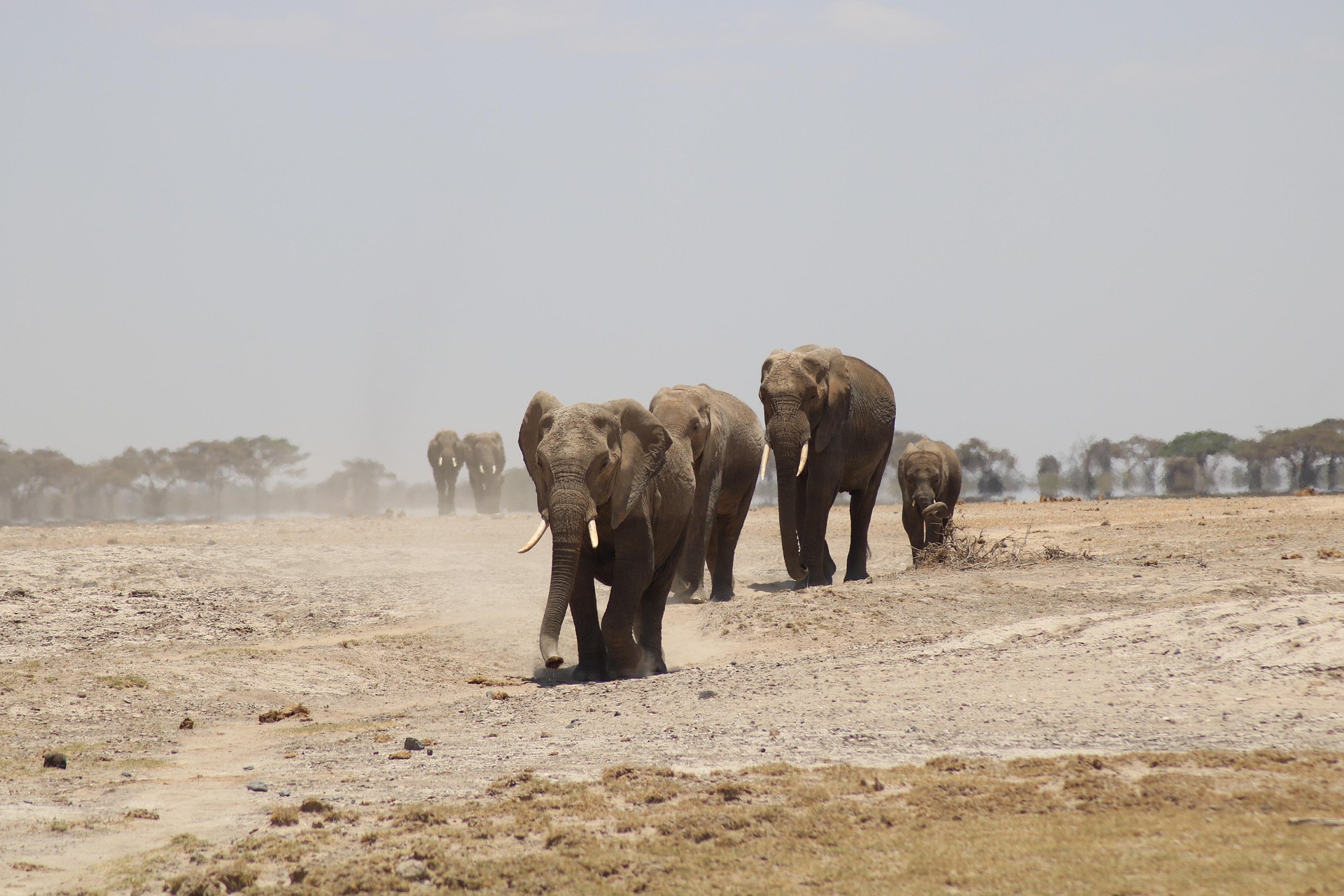
The allure of adventurous safari stays lies in their ability to provide an authentic experience of nature and wildlife that contrasts starkly with traditional luxury accommodations. Instead of opulent amenities and manicured gardens, adventurous safari stays immerse travelers in the heart of the wilderness, creating unparalleled opportunities for close encounters with local flora and fauna. Here, the stars serve as the night sky’s blanket, and the sounds of the wild become the backdrop of one’s stay.
Outdoor living at these sites encourages a deeper connection with the environment. Guests may find themselves sleeping under canvas tents, listening to the distant roars of lions or the subtle rustling of nocturnal creatures. This rustic charm promotes a sense of adventure, making each moment an opportunity to appreciate the stunning landscapes and diverse ecosystems surrounding them. With the absence of modern distractions, travelers can savor the simplicity and beauty of the wild, fostering mindfulness and a respect for nature.
Additionally, adventurous safari stays often include guided activities that allow guests to explore their surroundings intimately. From guided bush walks to thrilling safari drives, these accommodations offer a comprehensive experience that highlights the rich biodiversity of the area, allowing guests to engage actively with the wildlife. Participants often share thrilling anecdotes of encounters with elephants, giraffes, zebras, and more, creating lasting memories that are distinctive to this style of travel.
As we delve into the diverse types of campsites and rustic accommodations available for adventurous safari stays, it becomes evident that these experiences not only provide thrill and excitement but also foster a deeper appreciation for the beauty and complexity of the natural world. Embarking on such a journey signifies more than just a getaway; it represents an invitation to become part of a vibrant ecosystem.
Types of Safari Campsites
When planning a safari adventure, the choice of accommodation can significantly impact the overall experience. Various types of safari campsites exist, each offering distinct features, benefits, and potential shortcomings. Understanding these options can aid adventurers in selecting the one that aligns with their preferences and desired level of comfort.
One popular option is the mobile camp. These camps are designed to be relocated, allowing guests to experience different regions and wildlife sightings throughout their stay. Mobile camps offer an intimate connection with nature, as they are often found in remote areas with limited access to other forms of accommodation. The primary advantage of mobile camps is the flexibility they provide; however, this might come at the cost of certain amenities that permanent structures typically offer. Such camps may also have limited time in specific locations, influencing wildlife viewing opportunities.
Permanently tented camps serve as another favored choice. Built securely, these camps feature canvas tents elevated on wooden platforms, allowing for an authentic yet comfortable safari experience. They generally come equipped with more facilities than mobile camps, including ensuite bathrooms and dining areas. The advantage here lies in the combination of comfort and proximity to nature. However, guests may feel a slight disconnect from the raw wilderness as these camps tend to be in designated areas and can sometimes be popular among tourists.
Lastly, open-air lodges offer a unique blend of luxury and nature. These accommodations often feature spacious rooms with breathtaking views, designed to provide comfort while maintaining a connection to the surrounding landscape. Open-air lodges tend to have extensive amenities, such as spas, restaurants, and guided safaris, catering to travelers seeking a more lavish experience. The main drawback can be the higher cost associated with such luxury, which may not appeal to budget-conscious adventurers.
Benefits of Rustic Accommodations
Opting for rustic accommodations presents a multitude of benefits that enhance the overall experiential quality of any adventure. First and foremost, staying in a rustic setting provides travelers with authentic experiences that are often lacking in more conventional lodging. These accommodations, whether they are safari tents, log cabins, or eco-friendly lodges, afford guests a unique glimpse into the natural environment. Instead of being surrounded by urban distractions, visitors find themselves immersed in nature, where wildlife is often just outside their doorstep.
Moreover, such accommodations promote ecological interactions that are crucial for fostering a deeper appreciation of the environment. Rustic lodgings are often situated in pristine areas, encouraging interaction with the local flora and fauna. This close proximity allows guests to witness wildlife behavior and engage in conservation efforts, thereby creating a meaningful connection to the land and its inhabitants. By participating in activities like guided nature walks or stargazing, visitors cultivate a sense of responsibility towards protecting these natural ecosystems.
In addition to ecological benefits, rustic accommodations offer travelers a connection to local cultures. Many of these lodgings are owned and operated by individuals from the surrounding communities, thus providing insight into traditional lifestyles and practices. Guests often have the opportunity to indulge in local cuisine, learn traditional crafts, or engage in cultural events, fostering a sense of community and understanding. This interaction with local traditions not only enriches the travel experience but also supports sustainable tourism practices by ensuring that tourism revenue benefits local communities.
In light of these benefits, choosing rustic accommodations over more traditional lodging can significantly enhance one’s adventure, creating lasting memories while promoting a responsible approach to travel.
Top Campsites for Safari Enthusiasts
For those seeking an authentic safari experience, several campsites around the globe stand out for their unique offerings, exceptional wildlife viewing opportunities, and immersive surroundings. These top campsites cater to avid adventurers yearning for a close encounter with nature.
One of the premier spots is Seronera Campsite in Tanzania’s Serengeti National Park. Nestled amidst vast savannas, this campsite provides a breathtaking vantage point for observing the Great Migration, where thousands of wildebeest and zebras traverse the plains. Amenities include communal dining and restroom facilities, and guides are available to enhance your wildlife viewing experience, which often features lions, elephants, and cheetahs.
Another exceptional choice is the Okavango Delta Campsite in Botswana. This site situates visitors right in the heart of one of Africa’s most intricate ecosystems. The Elevated tented accommodations offer both comfort and the chance to interact with the local wildlife. Here, guests can embark on guided mokoro trips, providing a unique perspective of the region’s lush landscapes and birdlife, including vibrant kingfishers and herons.
The Kruger National Park’s Satara Campsite in South Africa is renowned for its prime location amidst abundant game. It is well-equipped with amenities, including a shop and electricity at select sites. Wildlife enthusiasts can regularly spot a variety of species, such as leopards, rhinos, and buffaloes, with night drives available for those eager to observe nocturnal activities.
Lastly, the Chobe Riverfront Camping area in Botswana offers a superb blend of river views and wildlife encounters. Visitors can explore the Chobe National Park’s diverse ecosystems while enjoying the comfort of well-maintained facilities. Safaris along the river often reveal elephants swimming and hippos basking in the sun.
These campsites represent just a few of the ideal locations for safari enthusiasts eager to immerse themselves in nature. Each offers unique experiences that define the essence of safari adventures, ensuring unforgettable memories for all visitors.
Essential Tips for Camping on Safari
Camping on safari offers a unique opportunity to immerse oneself in the stunning beauty of nature while experiencing wildlife in their natural habitat. However, successful camping during a safari requires adequate preparation and a mindful approach. Here are essential tips to help adventurers prepare for their thrilling experience.
First and foremost, packing the right essentials is critical. Ensure to bring durable camping gear, including a high-quality tent, a sleeping bag suitable for various temperatures, and a portable stove or cooking equipment. It is also advisable to pack sufficient clothing suited to fluctuating weather conditions—layers are your best friend. Additionally, don’t forget items like a first-aid kit, insect repellent, and sunscreen, as these can greatly enhance comfort and safety during outdoor excursions.
Safety precautions are paramount when camping in the wild. Be aware of your surroundings, especially in times when wildlife is most active, such as dusk and dawn. It is advisable to consult with local guides on how to behave in the presence of animals. Understand the local fauna, knowing which animals may pose a threat and how to react appropriately. This knowledge is crucial for ensuring personal safety while minimizing disruptive encounters with wildlife.
Respecting the environment is another vital component of responsible safari camping. Avoid leaving any trace of your visit by practicing Leave No Trace principles. Properly dispose of waste, and refrain from picking plants or disturbing natural habitats. By being a responsible camper, you help preserve the beauty of the landscapes and the wellbeing of the wildlife inhabiting them.
These tips equip adventurers with valuable knowledge and foster a safe, enjoyable experience while camping on safari. With adequate preparation and respect for the environment, one can truly enjoy the adventure that nature has to offer.
Cultural Immersion: Community Engagement on Safari
Traveling to distant lands not only offers breathtaking views but also a unique opportunity to engage with local cultures. Cultural immersion while on safari is an integral part of the adventure experience, as it allows guests to interact with local communities, understand their traditions, and appreciate their lifestyles. Engaging with indigenous peoples enriches the tiger safari experience and fosters a deeper appreciation for the environment and its inhabitants.
One effective way to enhance cultural immersion is through guided tours led by local community members. These individuals possess firsthand knowledge about their heritage, wildlife, and the delicate balance between man and nature. Participating in community-led activities such as traditional dances, artisan workshops, or cooking classes allows travelers to witness the vibrant culture firsthand. This initiative not only supports the economy by providing direct financial benefits to these communities but also promotes the preservation of their cultural practices.
Moreover, visitors can explore opportunities to visit local markets or participate in village tours. Interacting directly with residents offers a unique glimpse into their daily lives, revealing the rich tapestry of traditions that define their identity. By prioritizing experiences that promote interaction with local peoples, adventurers can form meaningful connections that often last long after the safari concludes.
It is crucial for safari operators to encourage cultural immersion by promoting ethical tourism practices. This includes ensuring that any community engagement is consensual and beneficial for all involved. By seeking out experiences that honor and uplift local cultures, travelers can enjoy a richer safari while actively contributing to the sustainability of those communities. Ultimately, cultural immersion is not merely an add-on; it is a pivotal aspect of the safari experience that supports both adventure and community resilience.
Sustainable Practices in Safari Camping
As the popularity of safari camping continues to rise among adventurous travelers, the necessity for sustainable practices becomes increasingly urgent. Engaging in responsible tourism not only enhances the experience but also ensures the preservation of natural habitats for future generations. Adventurers can adopt several eco-friendly practices to minimize their ecological footprint while on an exhilarating safari.
One key aspect of sustainability in safari camping is effective waste management. Campers should aim to follow the principles of “leave no trace” by packing out all waste generated during their stay. This includes properly disposing of food scraps, plastic, and other non-biodegradable items. Additionally, using compostable products, such as biodegradable plates and utensils, can significantly reduce waste. Educating oneself on local disposal regulations will further assist in maintaining the ecological integrity of the area.
Water conservation is another critical practice for adventurers to prioritize while camping on safari. Many safari destinations are situated in regions where water is scarce, making it essential for campers to be mindful of their water usage. Simple measures like limiting shower time, utilizing biodegradable soaps, and reusing towels can lead to substantial water savings. Moreover, adventurers are encouraged to participate in or support initiatives that promote the restoration and management of local water resources.
Responsible wildlife interaction is equally important when reflecting on sustainable safari practices. Respecting animals in their natural habitat and observing them from a safe distance is crucial for both their protection and the enhancement of one’s safari experience. Tourists should adhere to guidelines set by tour operators and park officials, which advocate for minimal disturbance to wildlife. By embracing these practices, adventurers not only contribute to conservation efforts but also enrich their understanding and appreciation of the unique ecosystems they encounter.
Personal Stories: Adventurers Share Their Experiences
Camping in the wild, particularly in safari settings, presents a unique range of challenges and rewards that seasoned adventurers cherish. One camper, Jenna, recounts her exhilarating experience at a campsite in Tanzania. She vividly recalls the moment she woke up to the sounds of lions roaring in the distance, a true testament to the wilderness around her. This immersive experience, coupled with stunning sunrises, fostered a deep connection with nature that has left a lasting impression on her. Jenna describes how sleeping under the stars and witnessing wildlife release an adrenaline rush that cannot be replicated in more conventional accommodations.
Another adventurer, Malik, reflects on his journey through South Africa, where he and his friends camped beside a river teeming with wildlife. During one evening, they were lucky enough to witness a herd of elephants passing by their campsite, demonstrating the intimacy of being enclosed within the natural habitat. These encounters gave Malik and his companions a deeper appreciation for wildlife conservation and the delicate balance between nature and human activity. The friendships fostered during these adventures, combined with shared stories around a campfire, created bonds that will last a lifetime.
In contrast, many adventurers also face challenges that test their limits. Sarah, who camped in Kenya, recalls a night heavy with rain that left her tent flooded and spirits dampened. Yet, it was precisely these trials that forged unforgettable memories and stories worth sharing. The camaraderie developed through overcoming adversity often turns challenging moments into humorous anecdotes, ultimately enriching their safari experience. Each narrative highlights the profound impact that rustic accommodations and campsites have on the adventurers’ lives, transforming not only their connection with nature but also their relationships with fellow campers.
Conclusion: Embracing the Adventurous Spirit
As we draw this exploration of rustic accommodations and campsites in safari travel to a close, it is essential to reflect on the value of embracing an adventurous spirit during your next getaway. While modern luxury lodges offer unparalleled comfort and convenience, stepping outside these familiar confines can lead to transformative experiences in the heart of nature. Engaging in a rustic safari not only allows travelers to connect with the raw beauty of the wilderness but also presents unique opportunities to witness wildlife in an authentic environment.
Opting for campsites or traditional tented lodges offers a chance to immerse oneself in the sounds and sights of the natural world. The experience of sleeping under a canvas roof, surrounded by the symphony of the African night, brings a profound sense of connection with the environment. Such accommodations often promote interaction with local communities, enhancing cultural understanding and providing a deeper appreciation for diverse ecosystems.
Moreover, rustic safari stays encourage a sense of adventure that can often be overshadowed by the comforts of modern amenities. Engaging in activities such as guided hikes, open-air dining, and star-gazing allows travelers to reconnect with the world and rejuvenate their spirit. These experiences can lead to cherished memories that luxury stays may not always provide, instilling a sense of fulfillment in the wild.
In summary, embracing a rustic approach to safari travel can yield enriching experiences that ignite one’s adventurous spirit. By choosing campsites and traditional lodges, travelers can uncover the true essence of the safari, making lifelong memories amidst breathtaking landscapes and remarkable wildlife. Therefore, we encourage readers to embark on this journey, stepping out of the comfort zone to discover the exhilarating enchantment of a safari adventure.
No responses yet