
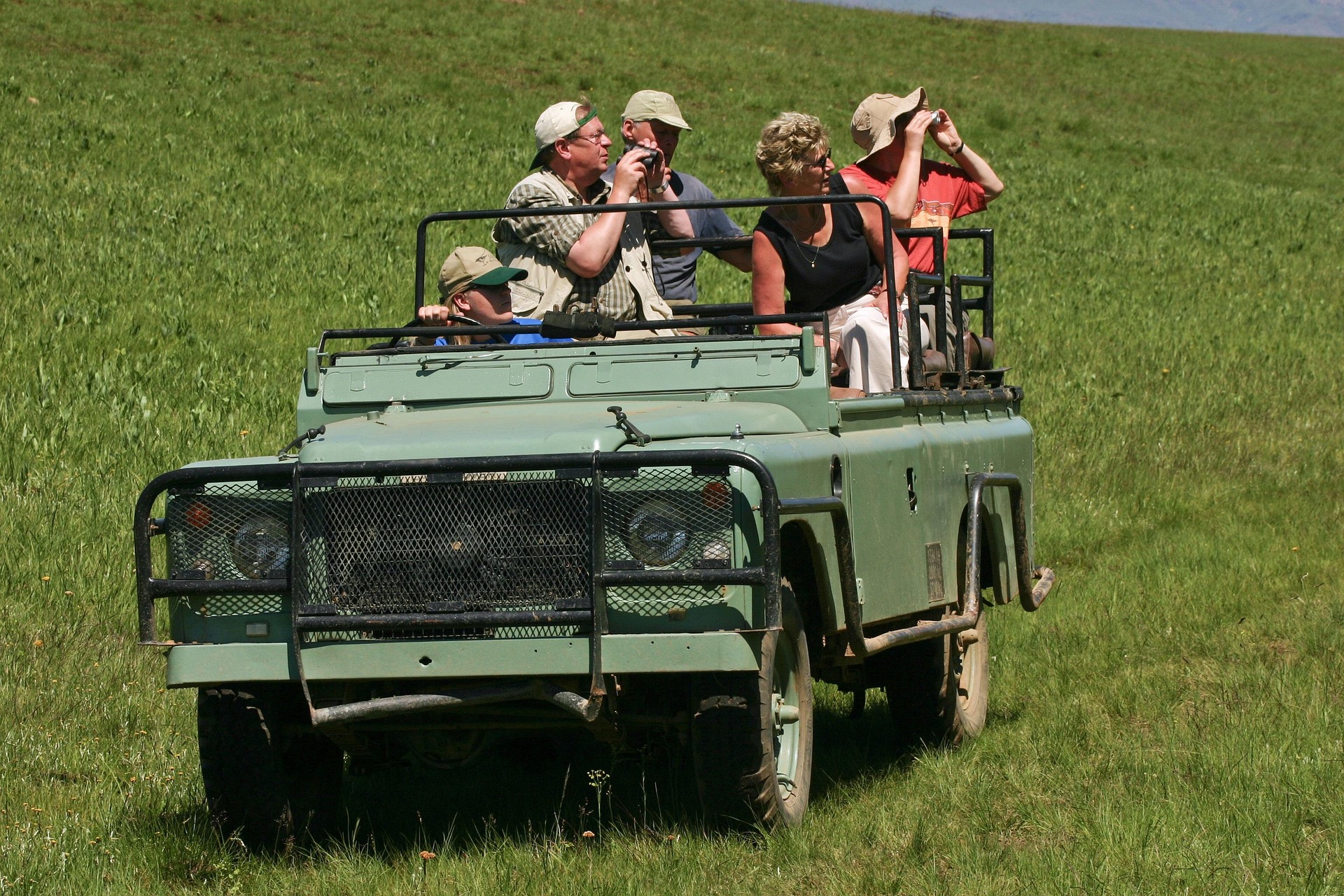
Understanding the Safari Environment
The African safari environment is a captivating and diverse ecosystem that presents a unique array of wildlife and geographical features. Encompassing vast savannas, dense forests, and wetlands, this environment is home to a wide variety of species. The most iconic animals encountered during a safari include the “Big Five”: lions, leopards, elephants, rhinos, and buffaloes. However, a comprehensive understanding of the safari landscape also includes numerous other animals, such as zebras, giraffes, hippos, and a myriad of bird species that contribute to the rich tapestry of life found in these regions.
Experiencing a safari entails navigating through various habitats that each host a distinct group of animals. For instance, while open savannas allow for sightings of large herbivores roaming freely, thicker bush environments often conceal more enigmatic species like leopards. Wetland areas, on the other hand, attract different forms of wildlife, including aquatic birds and reptiles. Understanding these habitats is pivotal for both the safety of the safari-goer and the well-being of the animals.
Moreover, the challenges posed by the terrain and climate can significantly impact a safari experience. Travelers may encounter uneven ground, heat, and unpredictable weather patterns, which can affect both exploration and wildlife behavior. It is essential for safari participants to acclimate to these conditions and prepare adequately, ensuring they have the right gear and knowledge of potential hazards. Moreover, wildlife interactions should be approached with caution; understanding animal behavior is crucial to ensuring both safety and respect for the environment. Recognizing that animals are wild and unpredictable can enhance one’s safari experience while minimizing risks. Thus, comprehensive knowledge of the safari environment is key to preparing for an unforgettable adventure.
Choosing a Reputable Safari Operator
When planning an African safari, the selection of a reputable safari operator is paramount to ensure a safe and enjoyable experience. A reliable operator not only enhances the adventure but also prioritizes the safety and well-being of its guests. The first step in this process is to conduct thorough research on potential operators. Start by visiting their websites, where you can find crucial information about their services, itineraries, and safety protocols. It is advisable to look for operators that have been established for several years and have a solid reputation in the industry.
In addition to conducting online research, checking reviews and testimonials from previous customers is a vital step. Websites such as TripAdvisor and social media platforms can provide insights into the experiences of others. Pay attention to recurring themes in these reviews, particularly concerning safety measures, guide professionalism, and overall guest satisfaction. Positive reviews from previous travelers can serve as an endorsement of the operator’s integrity and their commitment to safety.
Safety regulations are another critical factor to consider. Ensure that the safari operator adheres to local and international safety standards. This includes having appropriately licensed and trained guides, maintaining their vehicles in safe working condition, and abiding by all safety protocols during wildlife encounters. A well-trained guide is essential, as they possess the knowledge and experience to navigate the complexities of wildlife interactions responsibly. Their ability to assess the behavior of animals and understand the environment significantly contributes to the safety of all participants in the safari.
Ultimately, choosing the right safari operator can significantly impact the overall experience, balancing adventure with safety. By investing time in research and considering reviews and safety regulations, travelers can embark on a memorable journey while feeling secure in the hands of qualified professionals.
Packing the Right Gear
When preparing for an African safari, meticulous packing is crucial for ensuring both safety and enjoyment during the adventure. The right gear not only enhances the overall experience but also provides necessary protection in an unpredictable environment. First and foremost, a comprehensive first aid kit is an essential item. This kit should contain bandages, antiseptic wipes, pain relievers, and any personal medications. Ensuring access to medical supplies can provide peace of mind and readiness for minor medical emergencies.
In addition to first aid supplies, insect repellent is a vital packing item, protecting travelers from bites that may transmit diseases, such as malaria. When selecting insect repellent, choose one that contains DEET or picaridin, as these ingredients offer the best protection. Furthermore, adequate clothing plays a significant role in enduring the varying weather conditions common in safari regions. Lightweight long-sleeve shirts, pants, and comfortable hiking shoes should be included to protect against sun exposure and provide comfort during walks or drives.
It is also essential to consider the gear needed for a memorable photography experience. A quality camera with a zoom lens can significantly enhance your safari adventure, allowing for capturing the majestic wildlife in their natural habitats. Additionally, carrying spare batteries and memory cards ensures that you are well-prepared to document every captivating moment without the worry of running out of storage or power. While packing, avoid excessive gear that could detract from mobility or safety. By thoughtfully selecting essential items, including safety equipment, clothing, and photography gear, you will better prepare yourself for an unforgettable and safe safari experience.
Following Rules and Guidelines
When embarking on an African safari, adherence to established rules and guidelines is paramount for ensuring the safety of both the visitors and the wildlife. The wilderness can be unpredictable, and respecting the environment is crucial. One of the fundamental rules is to remain within designated areas, as marked by park officials. These boundaries are established not only for the conservation of ecosystems but also to protect individuals from potentially dangerous wildlife encounters.
It is essential to maintain a safe distance from animals, no matter how enticing it may be to get a closer look. Observing wildlife from a respectable distance allows both humans and animals to feel secure. In situations where animals are nearby, it is crucial to avoid sudden movements or loud noises that could startle them. Doing so also promotes an enriching experience, allowing visitors to appreciate the beauty and behavior of wildlife without interference.
Listening to your guide is another critical aspect of following safari rules. Guides are equipped with extensive knowledge about the terrain, the animals, and the necessary precautions to take. They can provide invaluable insights on how to behave in various situations and what signs to look for regarding animal activity. Tourists should minimize distractions and heed the instructions provided, as these guidelines are intended for their safety. Engaging actively with the guide’s information can enhance the overall experience, offering a deeper understanding of the environment.
In conclusion, adhering to safari rules and guidelines is vital for a successful and safe adventure. By following marked paths, respecting wildlife, and listening to your guide, visitors can contribute to the preservation of nature while enjoying an unforgettable experience in the heart of Africa’s wilderness.
Staying Alert and Aware
When embarking on an African safari, maintaining a heightened sense of awareness is crucial for ensuring both personal safety and an enriching experience. The diverse landscapes and wildlife encounters can be captivating; however, they also come with inherent risks. Therefore, it is essential to adopt strategies that promote vigilance while exploring these magnificent settings.
Firstly, always remain aware of your surroundings. This includes understanding the habitat you are in and being mindful of any wildlife nearby. It is advisable to travel in groups, as there is safety in numbers. Additionally, listen attentively to the advice provided by safari guides, who are knowledgeable about the local ecosystem and potential dangers. Their expertise can significantly enhance your ability to observe wildlife safely.
Another critical aspect of staying alert is recognizing the signs of potentially dangerous situations. For instance, be cautious near water bodies, where animals such as crocodiles may be lurking. Observe animal behavior; if a herd is agitated or fleeing, it may be an indication of a predator in the area. Keeping a safe distance from wild animals is paramount; while the urge may be to get a closer look, respecting their space significantly reduces the risk of confrontation.
Furthermore, familiarize yourself with the local flora and fauna. Certain plants can be toxic or may harbor insects that pose additional risks. This knowledge empowers you to make informed decisions, enhancing both safety and enjoyment during your safari. Equally important is staying vigilant about personal belongings, as wildlife may show interest in unsecured items.
In conclusion, being alert and aware enhances the safety of participants on an African safari. By remaining vigilant, familiarizing oneself with the environment, and heeding the guidance of experts, one can experience the wonder of Africa’s wildlife while minimizing risks. This preparedness is integral to ensuring a memorable and secure adventure.
What to Do in an Emergency
When embarking on an African safari, it is essential to prepare for potential emergency situations, whether they involve wildlife encounters or health issues. Understanding how to respond swiftly can significantly enhance the safety of both individuals and the group. In the event of a wildlife-related emergency, it is vital to remain calm and follow the guidance of trained safari guides. These professionals have extensive training in handling encounters with wild animals and are equipped with the knowledge of animal behavior to minimize risks.
Meeting a potentially dangerous animal, such as a lion or elephant, can be alarming; however, it is crucial to listen to your guide’s instructions. Do not run or make sudden movements, as this could provoke an aggressive response. Instead, stand still or back away slowly, maintaining your composure. Guides often carry emergency equipment, including whistles or flares, which can be used to alert animals or signal for help if necessary.
In cases of health emergencies, it is advisable to carry a basic first aid kit containing essential supplies. Familiarize yourself with its contents and ensure that it includes items such as band-aids, antiseptic wipes, and any personal medications. Should a serious health issue arise, it is vital to contact your safari guide, who will typically be trained in first aid and able to provide immediate assistance. They will also have established protocols to communicate with parks and medical services for urgent care.
Communication devices, such as walkie-talkies or satellite phones, play a crucial role in any safari setting. Their availability not only facilitates communication with the guide but also enables emergency services to respond effectively. Ensuring these devices are fully charged and in good working order can alleviate concerns about being unreachable in case of an emergency. By understanding and preparing for possible scenarios, safari-goers can enjoy a truly memorable experience with added peace of mind.
Health Precautions and Vaccinations
Embarking on an African safari offers an unparalleled opportunity to explore the continent’s stunning wildlife and landscapes; however, it is imperative to prioritize health precautions to ensure a safe and enjoyable experience. One of the first steps in preparing for a safari is to consult with a healthcare provider who specializes in travel medicine. This professional can advise on necessary vaccinations and health measures tailored to specific regions within Africa.
Common vaccinations recommended for travelers include those for hepatitis A, hepatitis B, typhoid, and yellow fever. Certain areas may also require immunizations against diseases such as meningitis or rabies, particularly if one plans on engaging with wildlife. It is advisable to initiate the vaccination process well before departure, as some vaccines may require multiple doses or take time to become effective.
Additionally, malaria is a significant concern in many regions of Africa. Preventative measures such as taking antimalarial medication, using insect repellents with DEET, and sleeping under mosquito nets are vital in reducing the risk of infection. When examining your itinerary, it is critical to identify areas known to have a high incidence of malaria, allowing you to take appropriate precautions.
Maintaining proper hydration is essential during the safari as well. The adventure may involve long hours outdoors in potentially extreme temperatures, where dehydration can occur rapidly. Travelers should carry sufficient water supplies and aim to drink regularly, avoiding excessive alcohol and caffeinated beverages that may contribute to dehydration.
Overall, taking health precautions when planning an African safari not only helps in preventing illness but also enhances the overall travel experience, allowing for greater enjoyment of the breathtaking surroundings and wildlife. By consulting with healthcare providers and following the recommended guidelines, travelers can partake in a memorable and healthy adventure.
Cultural Sensitivity and Interaction
Embarking on an African safari offers travelers a unique opportunity to not only explore breathtaking landscapes and wildlife but also to encounter various local cultures. Understanding and respecting these diverse cultures is crucial for fostering positive interactions and ensuring a memorable experience for both visitors and the communities they engage with.
When engaging with local people, it is essential to approach interactions with an open mind and a willingness to learn. Recognizing the value of local customs, traditions, and social norms helps in establishing respectful relationships. Before visiting a community, it is advisable to research their cultural practices to gain insights into their way of life. This knowledge not only enhances your understanding but also shows respect towards the local culture.
During your safari, consider seeking permission before taking photographs, particularly of individuals or sacred sites. Certain cultures may consider photography intrusive or disrespectful. Asking first or observing whether photography is appropriate reflects your sensitivity to their values. Additionally, be mindful of the language you use; employing simple greetings or phrases in the local language can create a bridge of connection and indicate your respect for their heritage.
Engaging in responsible tourism is vital. Support local artisans and businesses by purchasing handmade crafts or dining at community-run eateries. This not only benefits the local economy but also reinforces the cultural significance of their crafts and traditions. Furthermore, when participating in cultural experiences or tours, opt for those that are ethically run, ensuring that the local community benefits from your presence.
In conclusion, cultural sensitivity during an African safari is essential for creating a respectful and enriching experience. By acknowledging and honoring the cultures encountered, travelers can foster meaningful connections while supporting the preservation of local traditions. This respectful approach not only enhances personal experiences but also contributes positively to the communities that share their rich heritage with visitors.
Conclusion: Enjoying a Safe and Memorable Safari Experience
As you prepare for your adventure in the diverse and captivating landscapes of Africa, it is essential to recognize the importance of safety during your safari. Keeping several critical safety tips in mind can significantly enhance your overall experience and ensure that your journey is both enjoyable and secure. Firstly, planning ahead is vital. Thorough research on your destination, including understanding wildlife behavior and local customs, will equip you with the necessary knowledge for a safe expedition.
Awareness of your surroundings is equally important while on safari. Being cautious and alert to your environment can prevent potential hazards and allow you to appreciate the astonishing wildlife that Africa has to offer. It is also crucial to respect nature, following the guidance of experienced guides and park regulations. This respect not only contributes to your safety but also protects the delicate ecosystems and local wildlife that draw visitors from around the world.
Furthermore, immersing yourself in the local culture can deepen your safari experience. Engaging with local communities, understanding their traditions, and respecting their customs can lead to meaningful interactions and a more enriching journey. Such connections highlight the importance of cultural sensitivity as part of your adventure.
In summary, an African safari can be a breathtaking experience filled with incredible wildlife encounters and beautiful landscapes. By prioritizing safety through careful planning, awareness, and respect for both nature and local cultures, you can enjoy a memorable adventure while safeguarding not only your well-being but also that of the environment you explore. Embrace the thrills of an African safari while keeping safety at the forefront of your travel plans, ensuring a rewarding and secure expedition.
No responses yet