
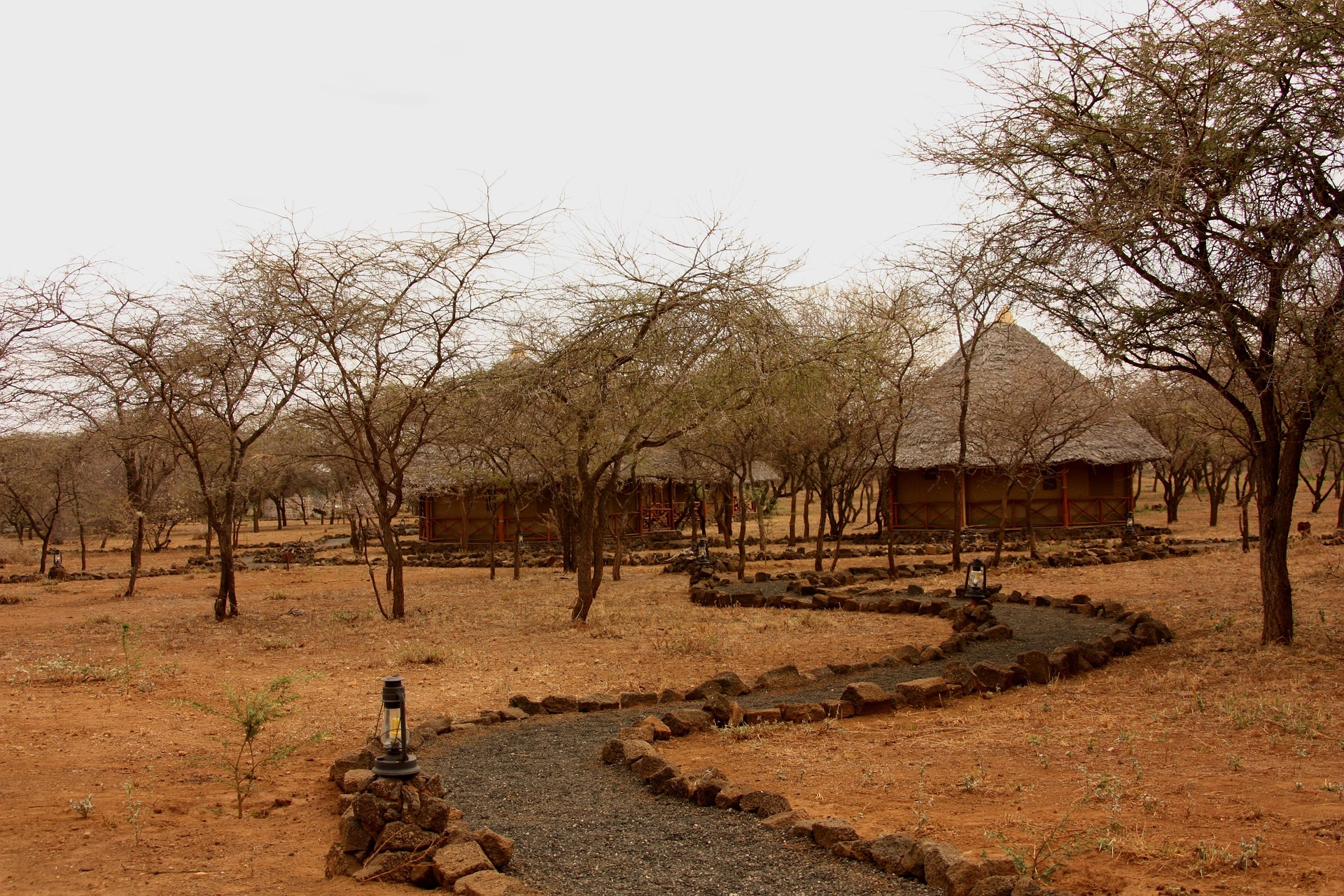
Understanding Eco-Friendly Safari Lodges
Eco-friendly safari lodges represent a harmonious blend of comfort and environmental consciousness in tourism. Unlike traditional lodges, which may prioritize luxury and convenience, eco-friendly lodges focus on minimizing their ecological footprint while offering a unique, immersive experience in natural settings. These lodges are strategically located in wildlife-rich areas, allowing guests to connect with nature while promoting conservation efforts.
One of the key features that set eco-friendly lodges apart is their commitment to sustainable building practices. Many of these lodges are constructed using locally sourced materials and environmentally friendly techniques. For instance, some employ natural insulation and solar panels to reduce energy consumption. The architecture often blends seamlessly with the surrounding landscape, promoting a sense of unity between humans and nature. This conscious design choice not only enhances the aesthetic appeal but also minimizes disruption to local ecosystems.
In terms of waste management, eco-friendly safari lodges implement comprehensive systems that focus on recycling and composting. By minimizing waste generation and investing in waste management technologies, these lodges significantly mitigate their impact on local habitats. Moreover, staff members are trained to provide guests with information on reducing waste during their stay, fostering a culture of sustainability. This education empowers travelers to adopt environmentally friendly practices during their visit and beyond.
Energy conservation is another important aspect of eco-friendly safari lodges. These establishments utilize renewable energy sources whenever possible, such as solar or wind power, to reduce reliance on fossil fuels. Energy-efficient appliances and practices are standard, allowing lodges to maintain comfort while conserving resources. By prioritizing these sustainable measures, eco-friendly lodges not only protect their natural surroundings but also encourage travelers to be more mindful of their ecological impact during their adventures.
Benefits of Choosing Eco-Friendly Lodges
Staying at eco-friendly lodges provides numerous advantages, both for the traveler and the environment. One of the primary benefits is the strong commitment these lodges have towards wildlife conservation. By choosing eco-friendly accommodations, travelers contribute to initiatives aimed at protecting endangered species and preserving their natural habitats. Many eco-lodges implement practices that reduce habitat destruction, thus fostering biodiversity in the regions where they are located.
Furthermore, eco-friendly lodges often support local communities, creating a positive impact on the socio-economic landscape. These lodges frequently employ local staff, utilize local materials, and source food from nearby farms, ensuring that local economies thrive. This practice not only aids in sustainable development but also fosters cultural exchange, allowing visitors to immerse themselves in the rich traditions and lifestyles of indigenous populations. Through cultural interactions, guests gain insight into the community’s values and practices, promoting a deeper connection to the destination.
Engaging with nature is another significant aspect of eco-friendly lodges. Many offer unique experiences that promote environmental awareness and encourage responsible tourism. Travelers can partake in guided nature walks, birdwatching, or wildlife photography, all while adhering to principles that minimize their ecological footprint. This kind of immersive experience not only enhances the enjoyment of the trip but also instills a sense of responsibility towards protecting natural resources.
Moreover, these lodges typically incorporate renewable energy sources, such as solar and wind power, into their operations. This not only reduces greenhouse gas emissions but also sets a benchmark for sustainable practices in the hospitality industry. By opting for eco-friendly accommodations, travelers play an essential role in promoting sustainable tourism, thereby ensuring that future generations can enjoy the planet’s beauty.
Top Eco-Friendly Safari Lodges in Africa
Africa is home to numerous breathtaking safari lodges that prioritize sustainability while providing guests with memorable wildlife experiences. Here, we present some of the top eco-friendly lodges that not only showcase the continent’s rich biodiversity but also practice responsible tourism. These accommodations are designed to minimize environmental impact while offering luxurious amenities and captivating excursions.
One notable lodge is the Chiawa Camp, located in Zambia’s Lower Zambezi National Park. This lodge is committed to sustainable tourism through its solar-powered facilities and waste management systems. Guests can look forward to guided walking safaris and canoeing excursions that allow them to immerse themselves in the stunning natural surroundings while supporting conservation efforts.
Another exemplary establishment is the Bumbusi Camp in Zimbabwe, which emphasizes cultural preservation along with environmental stewardship. This lodge employs local staff and uses traditional building materials to create a harmonious blend with the landscape. Visitors can engage in community projects and enjoy game drives that raise awareness about wildlife protection in the area.
In the pristine wilderness of Tanzania, the Gibbs Farm stands out. This farm-lodge fosters sustainable farming practices and offers farm-to-table dining experiences. Guests can participate in activities such as coffee picking and guided tours of the organic gardens, which not only promote sustainability but also provide an insight into local agriculture.
Lastly, the Elephant Watch Camp in Kenya’s Laikipia region offers a unique approach to conservation. This camp is strategically positioned near elephant migratory routes and focuses on protecting these magnificent creatures. It features eco-friendly structures and provides educational programs about elephants, empowering guests to become advocates for wildlife conservation.
These eco-friendly safari lodges exemplify how tourism can positively impact wildlife and local communities. By choosing such accommodations, travelers can embark on their adventures while keeping environmental responsibility at the forefront.
Key Features to Look for in an Eco-Friendly Lodge
When selecting an eco-friendly lodge for your safari adventure, several key features and certifications are vital to ensure you are supporting genuine environmental initiatives rather than mere marketing gimmicks. Firstly, look for lodges that have certifications from recognized organizations such as Ecotourism Australia, Green Globe, or the Rainforest Alliance. These certifications indicate that the lodge adheres to rigorous environmental standards and practices.
Waste reduction technologies are another critical aspect to consider. Eco-friendly lodges often employ innovative strategies to minimize waste, including composting, recycling programs, and the use of biodegradable products. It’s beneficial to inquire about their waste management policies and how they implement recycling within their operations. Furthermore, many lodges harness renewable energy sources such as solar panels or wind turbines, which significantly reduce their carbon footprint.
Water conservation measures are also essential in an eco-friendly lodge. Look for establishments that use water-saving fixtures, such as low-flow toilets and showerheads, and have systems in place for rainwater harvesting or greywater recycling. These initiatives contribute to responsible water management, particularly in regions where water scarcity is an ongoing concern.
Moreover, consider the lodge’s approach to sourcing materials and food. Eco-conscious lodges often prioritize using local and sustainably sourced products, minimizing the carbon emissions associated with transportation. This focus not only supports local communities but also ensures that guests enjoy authentic experiences through locally inspired cuisine. When researching potential lodges, it’s vital to assess their partnerships with local artisans and farmers, showcasing their commitment to the surrounding environment.
Experiencing Local Culture While Being Eco-Conscious
When staying at eco-friendly safari lodges, one of the most enriching aspects of the experience is the opportunity to engage with local culture. These lodges are often situated in close proximity to indigenous communities, providing guests with a chance to immerse themselves in the local way of life. Being eco-conscious goes beyond minimizing environmental impact; it also involves fostering respectful relationships with the local populations. This cultural respect can be a pivotal element in ensuring that tourism yields positive benefits for the community.
Many eco-friendly lodges partner with local guides who are well-versed in their cultural heritage, languages, and customs. These guides enhance the experience by offering insightful narratives about the area’s history and traditions. Guests may partake in guided tours that explore nearby villages, highlighting daily life, handicrafts, and local dialects. Such interactions not only enrich the visitors’ understanding but also create economic opportunities for local residents, thus supporting sustainable development.
Moreover, eco-lodges often incorporate traditional culinary experiences into their offerings. Guests may savor local delicacies prepared from fresh, organic ingredients sourced from nearby farms. Participating in cooking classes or dining experiences featuring local cuisine fosters a deeper appreciation for the region’s food culture. These culinary interactions also promote the importance of sustainable food practices, encouraging travelers to consider the environmental impact of their dietary choices.
Additionally, cultural workshops available at these lodges provide opportunities for guests to learn local crafts, music, or dance. This engagement facilitates a cultural exchange that proves beneficial to both visitors and the host community. By participating in these activities, travelers support cultural preservation and help to sustain traditional arts and crafts that might otherwise decline.
Ultimately, respecting local culture while enjoying an eco-friendly getaway enriches travel experiences and reaffirms the importance of cultural engagement in sustainable tourism.
Testimonials from Eco-Conscious Travelers
Traveling sustainably has become a priority for many, and eco-friendly safari lodges are at the forefront of this movement. Travelers who prioritize green accommodations often share impactful stories that reflect their commitment to preserving the environment while enjoying the beauty of nature. Such accounts highlight not only the lodge’s dedication to eco-practices but also the transformative experiences that can accompany a mindful journey.
One traveler recounted a remarkable stay at a lodge nestled in the heart of a wildlife conservation area. The guest described how the lodge operated entirely on solar energy and made use of local materials in its construction, contributing to both the local economy and the community’s efforts to protect the natural habitat. The traveler expressed gratitude for the opportunity to witness various conservation initiatives firsthand, feeling a sense of fulfillment watching local wildlife thrive due to such sustainable practices.
Another eco-conscious visitor shared their awe during a guided bush walk led by an experienced ranger, who was deeply knowledgeable about the flora and fauna. This experience not only educated the guest about the ecosystem but also fostered a respect for the delicate balance of nature. They remarked on how the insightful interactions with the local guide enhanced their stay, deepening their appreciation for the environment and the efforts being made to safeguard it.
Moreover, several guests have praised the thoughtful design of eco-friendly lodges, which harmoniously blend with their surroundings. One traveler mentioned how the use of natural materials and the implementation of water-saving technologies contributed to a seamless experience that was both luxurious and environmentally friendly. The positive impacts of these lodges extend beyond mere aesthetics; guests often feel a renewed sense of connection to the environment, helping inspire them to return home with a commitment to sustainability.
Such testimonials serve as powerful reminders of the rich experiences that eco-friendly lodges can offer. They not only provide a unique travel experience but also play a crucial role in promoting environmental conservation and responsible tourism practices. Travelers consistently find that choosing eco-friendly accommodations allows them to indulge in their passion for adventure while making a meaningful contribution to the planet.
Planning Your Eco-Friendly Safari: Tips and Tricks
When embarking on an eco-friendly safari, careful planning is essential to ensure that your experience is both sustainable and enjoyable. One of the first steps in organizing your trip is to research and book accommodations that prioritize eco-friendliness. Many lodges now incorporate sustainable practices, such as utilizing renewable energy sources, minimizing waste, and supporting local communities. Websites dedicated to eco-tourism often provide a comprehensive list of eco-friendly lodges, making it easier to find the ideal spot for your green getaway.
Choosing the right time to visit specific regions can significantly impact your safari experience. Ideally, you should aim to travel during the dry season, when wildlife is more easily spotted and the natural environment is less disrupted. However, visiting during the wet season can provide unique ecosystems and fewer crowds, making for a more tranquil experience. Researching the migratory patterns of wildlife is also vital to align your travel dates with peak viewing opportunities while minimizing your ecological footprint.
Responsible travel practices are crucial in maintaining the integrity of natural habitats. Maintain a respectful distance from wildlife, avoid littering, and adhere to all guidelines laid out by your safari guides. In addition, it is beneficial to support local economies by purchasing handcrafted items from local artisans rather than mass-produced souvenirs that may harm the environment.
Packing wisely can further reduce your environmental impact. Opt for lightweight and biodegradable products, such as reusable water bottles, eco-friendly toiletries, and energy-efficient gadgets. Being mindful of what you bring can help decrease waste and promote sustainability. Lastly, educating yourself about the regions you visit will enhance not only your experiences but also your commitment to preserving the natural beauty that makes eco-friendly safaris so appealing.
Supporting Conservation Efforts During Your Stay
When choosing an eco-friendly safari lodge, guests not only experience the beauty of nature but also have the unique opportunity to support vital conservation efforts. Many of these lodges play active roles in local conservation programs and initiatives, dedicated to protecting wildlife and their habitats. One of the primary ways guests can contribute is through participation in wildlife monitoring activities. These programs often involve tracking animal populations and behaviors, providing valuable data to researchers and conservationists. By joining these initiatives, visitors gain firsthand experience in conservation science while directly assisting in the protection of local ecosystems.
In addition to wildlife monitoring, eco-friendly lodges frequently offer opportunities for guests to donate to local initiatives aimed at sustainability and community development. This could include funding for education programs, anti-poaching efforts, or habitat restoration projects. Guests are encouraged to inquire about specific projects that their stay can help support, ensuring their contributions have a meaningful impact. Moreover, through their accommodation and activities, visitors can further promote responsible tourism, directly benefiting the destinations they cherish.
Another essential aspect of contributing to conservation is engaging in volunteer opportunities offered by the lodges. Many eco-friendly lodges have established partnerships with local conservation organizations. Guests can choose to partake in various projects, such as wildlife rehabilitation, habitat restoration, or community outreach programs. This hands-on involvement not only allows visitors to make a tangible difference but also deepens their understanding of the challenges wildlife faces and encourages a commitment to sustainable practices.
Overall, staying at an eco-friendly safari lodge provides an enriching experience, blending the enjoyment of nature with the promotion of important conservation efforts. As guests embrace these opportunities, they play a crucial role in protecting the environment while supporting the local communities that depend on it.
The Future of Eco-Tourism in Safari Lodging
The future of eco-tourism within the realm of safari lodging is shaped by an increasing awareness of environmental impacts and a collective desire for sustainable travel solutions. As more travelers become conscious of their ecological footprints, the safari industry is responding with innovative practices and methodologies aimed at enhancing sustainability. Local communities are becoming central figures in this movement, ensuring that tourism benefits both the environment and the people living in proximity to these natural habitats.
One promising trend is the integration of technology into eco-friendly safari lodges. Innovations such as solar power, rainwater harvesting systems, and biogas generators are becoming prevalent in many accommodations. These technologies not only decrease dependency on non-renewable energy sources but also empower lodges to provide an authentic experience without compromising on modern comforts. Furthermore, digital platforms that facilitate responsible tourism choices are enabling travelers to make informed decisions about their lodging options, favoring those that adhere to eco-friendly principles.
Additionally, the safari industry is witnessing a shift towards regenerative practices, which focus not merely on conserving the environment but also on restoring ecosystems. This involves initiatives such as wildlife rehabilitation programs, habitat restoration projects, and community education. As lodges engage in these practices, they not only enhance their eco-tourism credentials but also demonstrate a commitment to preserving biodiversity for future generations.
As travelers continue to seek unique experiences that harmonize adventure with responsible actions, the growth of eco-tourism in safari lodging is set to thrive. This evolving landscape not only presents an opportunity for lodges to showcase their sustainable practices but also for travelers to actively participate in conservation efforts. By prioritizing eco-friendly lodging, tourists can contribute to a movement that aspires to preserve the natural wonders of the world while fostering sustainable economic benefits for local communities.
No responses yet