
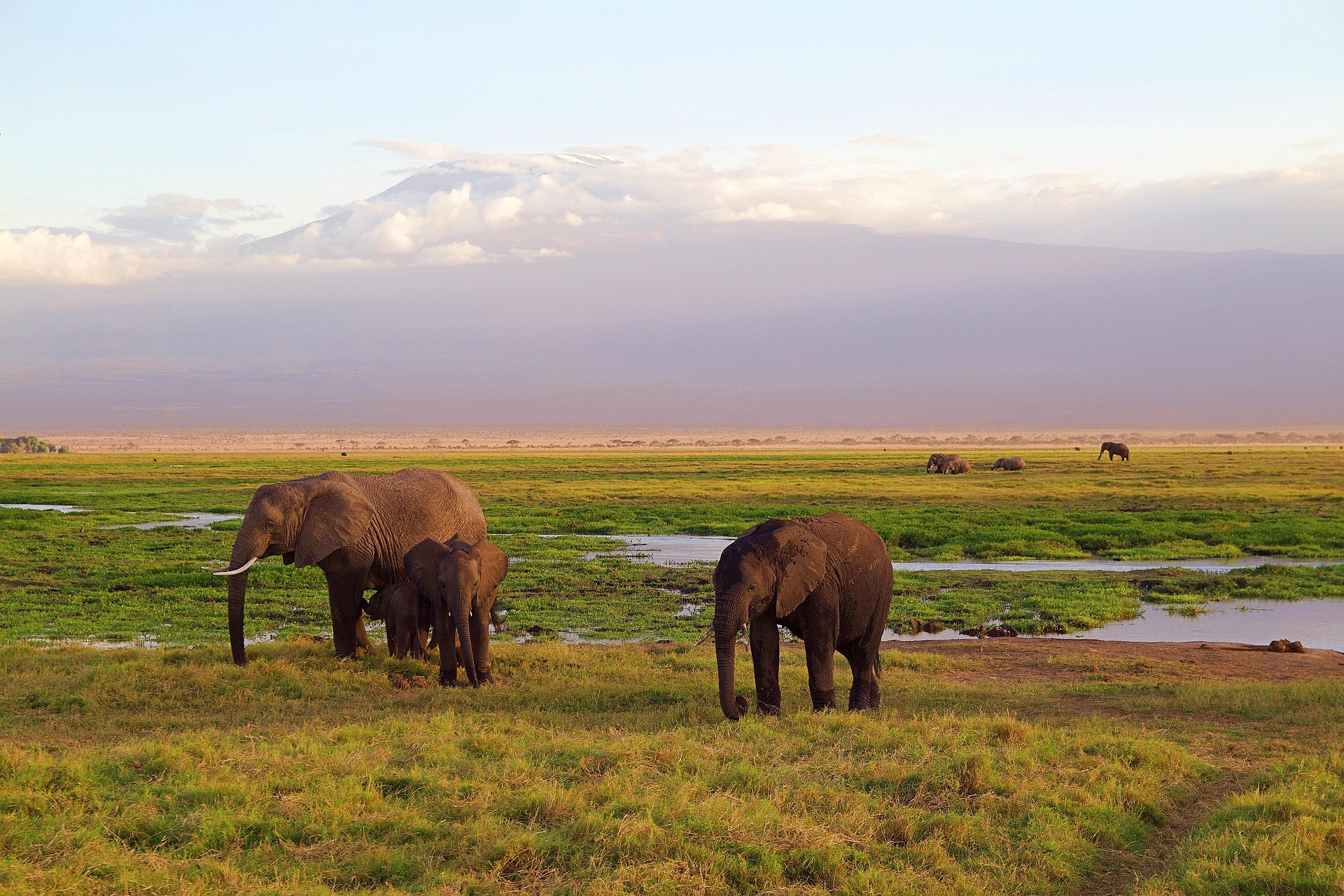
Introduction to Safari Experiences
Safaris are unique travel experiences that allow individuals to immerse themselves in the stunning natural environments of Africa while observing wildlife in their indigenous habitats. The allure of a safari lies not only in the breathtaking landscapes but also in the opportunity to witness animals in their natural behaviors, providing an authentic glimpse into life in the wild. These excursions have evolved over the years, beginning as hunting expeditions in the late 19th century to becoming eco-friendly endeavors focused on observation and conservation.
Today, safaris encompass a range of activities that can include game drives, walking safaris, and boat safaris. Each safari offers a distinctive experience depending on the region and type of safari undertaken. Countries such as South Africa, Kenya, Tanzania, and Botswana stand out as premier safari destinations, each boasting its unique terrains, ecosystems, and wildlife populations. These nations provide an array of options for adventurers seeking to connect with nature and witness the rich biodiversity that Africa has to offer.
A safari in South Africa might include traversing the iconic Kruger National Park, where one can spot the famed Big Five: lions, leopards, elephants, buffalo, and rhinoceros. In contrast, Kenya’s Maasai Mara is renowned for its spectacular wildebeest migration and vibrant cultural experiences with the Maasai people. Tanzania entices travelers with the Serengeti and Ngorongoro Crater, both rich in wildlife and geological wonders. Meanwhile, Botswana’s Okavango Delta presents a lush oasis, perfect for those interested in a water-based safari experience.
As one delves into the various safari options available across these countries, it becomes clear that each destination presents a unique set of opportunities for wildlife observation, offering memorable encounters that resonate with both casual tourists and seasoned travelers alike.
Overview of Safari Destinations
The allure of a safari lies in the breathtaking landscapes and the rich tapestry of wildlife that various regions offer. South Africa, Kenya, Tanzania, and Botswana stand out as premier safari destinations, each providing unique encounters with nature and culture.
South Africa boasts a diverse ecosystem, where the famed Kruger National Park offers a thrilling safari experience. The vast savannahs are home to the Big Five—lion, leopard, rhinoceros, elephant, and Cape buffalo. Beyond wildlife, South Africa’s cultural heritage is equally impressive, with indigenous communities and historical sites that resonate with visitors.
Kenya, often regarded as the birthplace of safari, is renowned for its iconic Maasai Mara National Reserve. Here, travelers can witness the awe-inspiring Great Migration, where millions of wildebeest and zebra traverse the plains every year. The warm hospitality of the Maasai people enhances the safari experience, intertwining the natural beauty with rich cultural traditions.
Tanzania is another jewel in Africa’s crown, featuring the expansive Serengeti and the breathtaking Ngorongoro Crater. The Serengeti is synonymous with the annual migration, while the crater offers a unique opportunity to see diverse wildlife within a compact area. Tanzania is celebrated not only for its fauna but also for its significant archaeological sites, further showcasing its historical importance.
Lastly, Botswana is famed for its pristine wilderness and conservation initiatives. The Okavango Delta, a UNESCO World Heritage site, presents an uninterrupted and immersive safari experience as it transforms into a lush paradise during seasonal floods. The country prioritizes sustainable tourism, ensuring that the rich natural environment continues to thrive alongside local communities.
In summary, each of these safari destinations offers distinctive experiences shaped by their unique landscapes, wildlife, and cultural narratives, making them essential considerations for any wildlife enthusiast or traveler.
Wildlife Diversity and Viewing Opportunities
When it comes to wildlife diversity, South Africa, Kenya, Tanzania, and Botswana each offer uniquely rich experiences for safari enthusiasts. South Africa boasts a range of ecosystems, from the bushveld of Kruger National Park, home to the Big Five—lion, leopard, rhinoceros, elephant, and Cape buffalo—to the coastal areas rich in marine life. The renowned Addo Elephant National Park provides opportunities to see large herds of elephants, while the iSimangaliso Wetland Park is known for its astounding biodiversity, including bird species and reptilian fauna.
Kenya is often regarded as the cradle of safari tourism, being home to the iconic Maasai Mara National Reserve. The annual Great Migration, where millions of wildebeest and zebras traverse from the Serengeti in Tanzania, presents one of the most spectacular wildlife events on the planet. This phenomenon peaks between July and September, yet the Mara boasts diverse wildlife year-round, including cheetahs, elephants, and various bird species.
Tanzania, on the other hand, offers the Serengeti National Park, famous for its vast savannahs and abundant wildlife. Visitors can witness the “big game” during the dry season from June to October. Furthermore, the Ngorongoro Crater, a UNESCO World Heritage Site, provides a unique opportunity to see a wide range of species in a contained ecosystem, including the critically endangered black rhinoceros.
Lastly, Botswana is celebrated for its exclusive and pristine wilderness areas. The Okavango Delta, a UNESCO site, is renowned for its unique ecosystem and seasonal flooding, attracting a significant variety of wildlife, from hippos to crocodiles. Chobe National Park, famous for its large elephant population, provides an opportunity for both vehicle and boat safaris. Overall, the wildlife diversity and viewing opportunities in these countries create enriching experiences for travelers, suitable for wildlife enthusiasts at all levels.
Types of Safaris Offered
When contemplating a safari, it is essential to understand the various types of experiences available in South Africa, Kenya, Tanzania, and Botswana. Each country boasts unique safari offerings that cater to diverse tastes and preferences, ensuring an unforgettable experience for every traveler. From game drives to more adventurous options, there is something for everyone.
Game drives form the cornerstone of safari experiences in these countries. South Africa, with its well-established infrastructure, offers luxury game drives in private reserves, allowing guests to witness the Big Five in comfort. Conversely, in Kenya and Tanzania, traditional game drives are often paired with a vibrant Maasai guiding experience, immersing tourists in local culture while they explore iconic national parks such as the Serengeti and Maasai Mara.
Walking safaris also present a more intimate way to connect with nature and appreciate wildlife in its natural habitat. Tanzania’s Selous Game Reserve and Zambia’s Lower Zambezi offer exemplary walking safari experiences, enabling guests to explore the landscape on foot under the guidance of experienced armed rangers. This format allows visitors to not only track animals but also learn about the ecosystem and engage with the environment on a deeper level.
For those seeking a different vantage point, boat safaris are prevalent in areas like Botswana’s Okavango Delta. This unique perspective allows travelers to glide past wildlife and stunning scenery while observing animals near the water’s edge. Similarly, Kenya’s Lake Naivasha offers the opportunity to view hippos and bird species from a boat, creating a memorable experience for nature enthusiasts.
Another unique offering is the hot air balloon safari, particularly popular in the Serengeti and Maasai Mara. This exhilarating experience provides sweeping aerial views of wildlife migrations, elevating the safari experience and providing an entirely different angle on the landscapes below. Each country’s offerings cater to various levels of adventure and luxury, ensuring that every safari enthusiast finds their ideal experience.
Accommodation Options
When planning a safari in Africa, one of the most critical aspects to consider is the accommodation. Each of the four prominent destinations—South Africa, Kenya, Tanzania, and Botswana—offers a diverse array of lodging options that cater to varying preferences and budgets. The options range from rustic lodges and budget-friendly guesthouses to extravagant tented camps and high-end resorts, each providing a unique experience of the surrounding wilderness.
In South Africa, accommodations often emphasize modern comforts and amenities. Many lodges are situated within private game reserves, offering luxurious suites, swimming pools, and gourmet dining. Visitors can enjoy the convenience of well-organized safari excursions directly from their lodge, enhancing the overall safari experience. Renowned places, like Kruger National Park and the Sabi Sand Game Reserve, feature accommodations that range from opulent lodges to affordable self-catering units, suitable for all types of travelers.
Kenya’s safari lodgings tend to embody a blend of traditional and contemporary. Many accommodations exist in close proximity to iconic wildlife areas like the Maasai Mara. Options here include safari tents that elevate under-canvas experiences without sacrificing comfort, ideal for those looking to immerse in nature. Cultural authenticity is often celebrated within these lodgings, with personalized service and local cuisine adding to the overall allure.
Meanwhile, Tanzania’s accommodations often highlight the dramatic landscapes of the Serengeti. Here, visitors may opt for mobile tented camps that follow wildlife migrations, providing unmatched proximity to breathtaking sights. These camps deliver an unforgettable experience, though amenities may vary widely. Travelers seeking adventure can also find budget lodges and camping options within national parks.
Lastly, Botswana is famous for its eco-friendly luxuries. Accommodations here prioritize sustainability, often featuring intimate lodges and luxury camps overlooking picturesque waterways. The Okavango Delta and Chobe National Park offer a range of experiences, from plush lodges with outdoor plunge pools to basic camps that allow close interactions with nature.
Cultural Encounters and Local Communities
When embarking on a safari, the opportunity to engage with local communities can significantly enrich the experience, offering travelers deeper insights into the diverse cultures and traditions of the region. In South Africa, for instance, visitors may encounter the vibrant cultures of the Zulu and Xhosa communities. Participating in traditional ceremonies or visiting craft markets, where local artisans showcase their skills, can foster a genuine connection with the people and their heritage.
Kenya, renowned for its Maasai culture, provides unique opportunities for cultural interactions. Travelers can visit Maasai villages, engaging with community members and learning about their customs, social structures, and the challenges they face. Such encounters can be eye-opening, allowing tourists to experience the traditional dances, crafts, and storytelling that are integral to Maasai culture. Additionally, community-run conservation projects in Kenya highlight the Maasai’s commitment to wildlife conservation, showcasing how cultural practices intertwine with modern conservation efforts.
Tanzania offers similarly enriching cultural experiences through visits to vibrant tribal groups, such as the Hadzabe and Datoga. Engaging with these communities provides insight into their traditional lifestyles, hunting practices, and sustainable living. Tourists can participate in skills workshops or women-led initiatives, empowering local voices and supporting community development. The rich cultural tapestry of Tanzania enhances the safari experience, encouraging visitors to appreciate the interconnectedness of the land and its people.
In Botswana, the San people, also known as Bushmen, offer travelers a unique perspective on human-nature relationships. Visitors can join guided walks led by San trackers, learning about indigenous survival skills and local flora and fauna. These encounters allow tourists to gain respect for ancient knowledge and the importance of preserving cultural identity amidst modern pressures.
Through these cultural encounters, travelers not only enhance their safari experience but also contribute positively to local communities. The shared stories, traditions, and mutual respect create lasting memories while fostering a sense of responsibility towards cultural preservation and community support in these beautiful destinations.
Accessibility and Travel Logistics
When planning a safari trip, understanding the accessibility and travel logistics of each destination is paramount. South Africa, Kenya, Tanzania, and Botswana each offer unique advantages and challenges in terms of reaching these captivating locales.
South Africa boasts a well-developed infrastructure, with major international airports, including OR Tambo International Airport in Johannesburg and Cape Town International Airport, servicing numerous global airlines. This ease of access is complemented by a network of domestic flights, linking key safari regions like Kruger National Park and the Eastern Cape. Travelers also benefit from a relatively straightforward visa process, as many countries are granted visa-free entry or visa-on-arrival treatments.
In contrast, Kenya is a popular choice for safari enthusiasts, thanks to its rich wildlife and renowned reserves like Maasai Mara. The main gateway is Jomo Kenyatta International Airport in Nairobi, with numerous international flights. However, travelers may need to connect to regional airports for their ultimate destinations. Visas can be obtained online, making it easy for travelers to secure their entry ahead of time.
Tanzania’s primary airport, Julius Nyerere International in Dar es Salaam, serves as the starting point for most safari tours. Visitors frequently travel to Ngorongoro Crater and Serengeti National Park via internal flights or long-distance road journeys, adding an element of adventure to the logistics. Visa requirements can be met through an online application as well.
Finally, Botswana offers a different experience with its limited but highly exclusive safari options. Access is typically achieved via Maun Airport, leading travelers to esteemed game reserves such as the Okavango Delta. Although flight connections are fewer, the unparalleled wildlife experiences draw many visitors. An e-visa option simplifies the entry process for travelers.
Each destination presents unique travel logistics that can greatly affect planning for a safari. Careful consideration of accessibility, transportation options, and visa requirements is essential in ensuring a smooth journey to experience the wonders of the African wilderness.
Cost Comparison
When planning a safari adventure, understanding the associated costs is crucial for an efficient budget allocation. The overall expense of a safari can vary significantly based on the destination chosen, the type of experience desired, and the specific logistics involved. Below, we examine the key components that influence the cost of safaris in South Africa, Kenya, Tanzania, and Botswana.
Airfare is one of the first considerations when planning a trip. Depending on the season and the point of origin, air ticket prices can fluctuate considerably. International flights to Kenya and South Africa tend to be more accessible from major global cities, often making them slightly more economical options. Conversely, flights to Tanzania and Botswana, while available, may require more connecting flights and higher fares, reflecting in overall travel costs.
Accommodation is another significant expense, with various options available ranging from luxury lodges to budget camps. South Africa generally presents a diverse range of accommodations to suit various budgets. Kenya and Tanzania also offer affordable lodges, particularly in less-touristy areas, but they can increase in price during peak season. Botswana, known for its exclusive safari experiences, tends to command higher rates across the board, especially in its private reserves.
Additionally, safari packages can vary greatly in terms of inclusions and quality. A standard safari package generally covers guided tours, meals, and sometimes accommodations, but these offerings change by region. Park entry fees, which vary across different national parks in each country, are also key expenses that travelers should anticipate. Depending on the safari type, tips for guides and hospitality staff may add to the overall expense.
Ultimately, to effectively budget for a safari adventure, one must account for airfare, accommodations, safari package costs, and additional expenses. By understanding the cost landscape of safaris in South Africa, Kenya, Tanzania, and Botswana, travelers can make informed decisions that align with their financial plans and desired experience.
Conclusion and Recommendations
In comparing the safari experiences of South Africa, Kenya, Tanzania, and Botswana, it becomes apparent that each destination offers a unique blend of wildlife, landscapes, and cultural encounters. South Africa is renowned for its accessibility and well-developed infrastructure, attracting those who appreciate comfort without sacrificing authenticity. It offers opportunities to experience the Big Five and a rich array of ecosystems within national parks like Kruger and Addo Elephant.
Kenya is often considered the cradle of safari, famous for the Great Migration and vast savannahs. This destination appeals to the adventurous traveler eager to witness an unparalleled natural spectacle. Kajiado and Masai Mara are two prime locations that allow visitors to immerse themselves in the typical African plains and the rich tribal heritage of the local Maasai people, making it ideal for those who seek both excitement and cultural depth.
Tanzania boasts iconic sites such as the Serengeti and Ngorongoro Crater. These regions are excellent for travelers focused on extensive wildlife viewing and breathtaking landscapes. For those interested in a robust safari experience, Tanzania’s offerings are hard to match, particularly during migration seasons when the movement of wildlife is at its peak.
Botswana presents a more exclusive experience, with pristine settings such as the Okavango Delta and Chobe National Park. The emphasis here is on conservation and sustainability, making it an appealing choice for eco-conscious travelers. The remoteness of many lodges also ensures that the experience is intimate, catering to those willing to invest in a luxury adventure.
Ultimately, the best safari experience depends on individual preferences, interests, and budget. Travelers should carefully consider the type of wildlife interactions, accommodation styles, and overall experiences they desire. Each of these safari destinations has distinct attributes that cater to different types of explorers, ensuring that there is an ideal option for everyone seeking adventure in Africa’s wilderness.
No responses yet