
Introduction to Safari Adventures
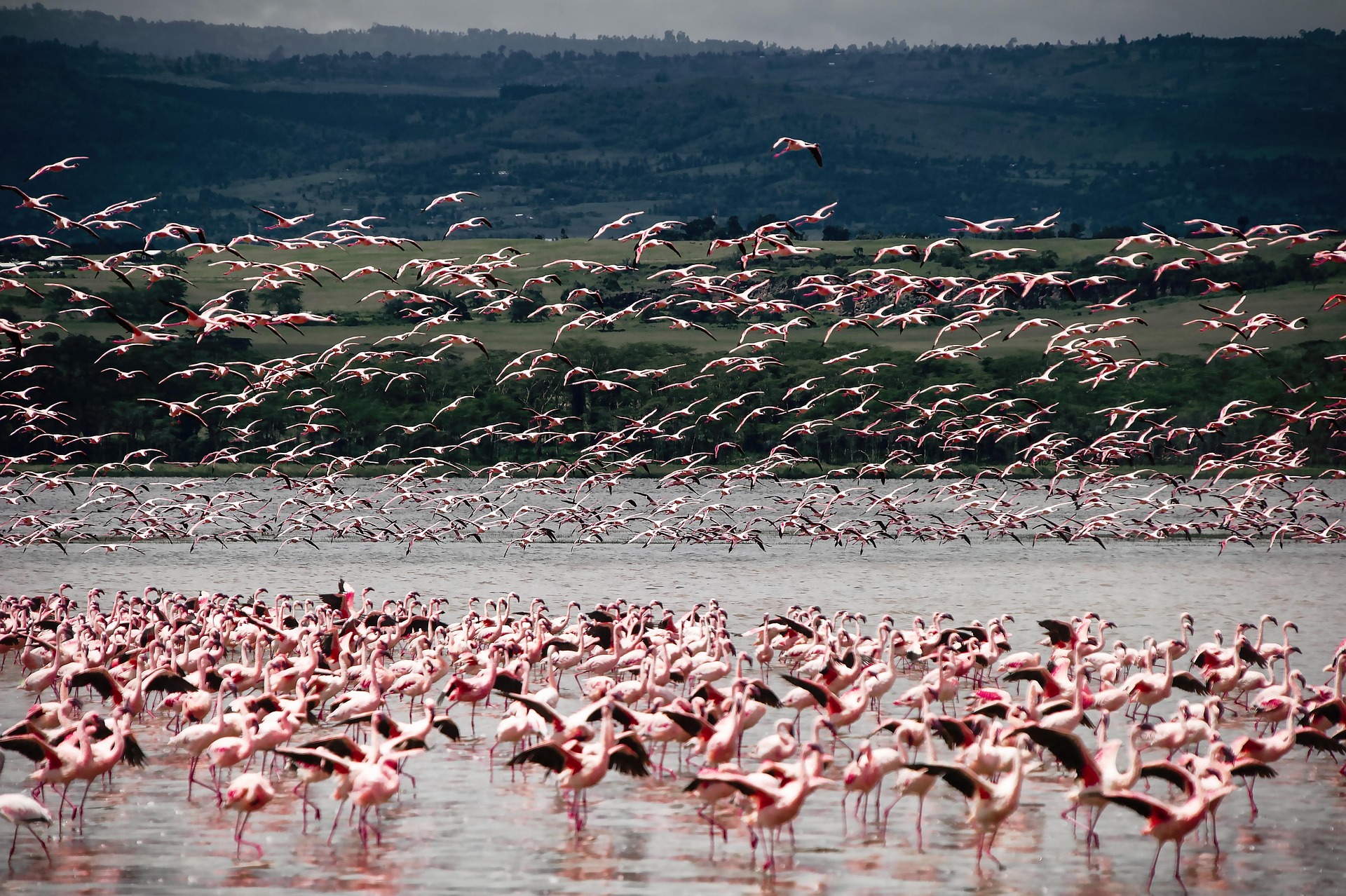
Embarking on a safari adventure represents a unique travel experience that captures the essence of nature and wildlife in its most authentic form. Unlike traditional vacations, safaris offer a chance to witness majestic animals in their natural habitats, engage with diverse ecosystems, and immerse oneself in the untamed beauty of the wilderness. From the sprawling savannahs to the dense jungles and serene wetlands, safaris allow travelers to explore stunning landscapes that shelter an array of wildlife, making them an enticing option for nature enthusiasts and adventure seekers alike.
There are various types of safari experiences one can choose from, each providing its own distinct perspective on the natural world. Game drives are perhaps the most popular option, where visitors venture into the wild in specially designed vehicles to observe wildlife from a safe distance. This immersive experience often takes place during the early morning or late afternoon when animal activity is at its peak, offering breathtaking opportunities for photography and observation.
For the more adventurous, walking safaris allow travelers to connect with nature on a more personal level. Led by experienced guides, these excursions offer insights into the intricate details of the ecosystem, such as tracking animal footprints, observing plants, and understanding the symbiotic relationships within the habitat. Additionally, hot air balloon safaris provide a unique aerial perspective of the landscape, allowing participants to witness the vastness of the savannah while floating peacefully above the ground.
Regardless of the choice of safari, each experience serves as a reminder of the delicate balance of nature and the importance of wildlife conservation. Safaris are not merely outings; they are transformative journeys that foster a deeper appreciation for the planet’s varied ecosystems and their inhabitants. Whether one is gazing at a pride of lions resting under the acacia trees or marveling at the vibrant colors of exotic birds, a safari adventure is an unforgettable way to connect with the wild.
Choosing the Right Safari Destination
Selecting the ideal safari destination is a crucial step in ensuring an unforgettable experience. The choice largely depends on personal preferences, the type of wildlife one hopes to see, and the overall atmosphere of the region. Among several notable safari countries, Kenya, Tanzania, South Africa, and Botswana remain popular options, each providing distinct offerings.
Kenya is renowned for its diverse ecosystems and iconic wildlife, including the Big Five—lion, elephant, buffalo, leopard, and rhinoceros. The Maasai Mara National Reserve, especially during the Great Migration, offers a spectacular view of wildebeest and zebra navigating through the landscape. The best time to visit Kenya typically falls between July and October, coinciding with this migration.
Tanzania is home to the Serengeti National Park, another premier location for witnessing the Great Migration alongside the Ngorongoro Crater, a UNESCO World Heritage site, enriched by its unique biodiversity. Travelers often appreciate Tanzania’s ability to provide immersive experiences in varied environments, from grasslands to mountainous terrains. The ideal travel window extends from June to October, ensuring optimal wildlife visibility.
South Africa presents a different experience, combining urban sophistication with vast national parks. Kruger National Park is perhaps the country’s most famous destination, offering a self-drive safari option for those seeking adventure. The best wildlife viewing in Kruger typically occurs during the dry winter months from May to September.
Lastly, Botswana boasts vast wilderness areas with an emphasis on exclusive safari experiences. The Okavango Delta is celebrated for its diverse wildlife and picturesque landscapes, while Chobe National Park offers incredible elephant sightings. For this destination, the dry season from April to October is preferred, presenting numerous opportunities for game viewing.
In summary, evaluating factors such as wildlife preferences, climate, and travel duration will guide you toward the right safari destination, allowing for a more tailored adventure in the heart of nature.
Types of Safari Experiences
As aspiring adventurers consider the diverse world of safari experiences, it is essential to understand the range of options available to cater to various interests and comfort levels. Traditional vehicle safaris are perhaps the most popular choice. These guided tours allow visitors to explore the African landscape in comfort while traversing national parks and game reserves. Typically conducted in customized 4×4 vehicles, these safaris provide ample opportunity to observe wildlife up close, with guides sharing their expertise on the animals and ecosystems encountered.
For those seeking a more immersive connection with nature, walking safaris present an extraordinary alternative. Led by trained guides, participants embark on foot to discover the flora and fauna of the wilderness. This hands-on experience allows for a deeper understanding of animal behavior, tracks, and traces that might go unnoticed during a vehicle safari. Walking safaris usually take place in regions where wildlife is abundant, granting trekkers the chance to appreciate the environment from an entirely new perspective.
When it comes to accommodation choices, travelers can lean towards luxury lodges or budget camps. Luxury lodges offer opulent amenities, gourmet dining, and personalized service, making for a prestigious experience. On the other hand, budget camps focus on providing essential comforts while often maintaining a closer connection to nature. These camps typically foster a more communal atmosphere, enabling guests to share experiences and stories around a communal fire.
Further diversifying safari experiences are specialized tours tailored to specific interests. Photography safaris target enthusiasts aiming to capture stunning wildlife images, complete with guidance on techniques and optimal locations. Cultural experiences invite travelers to engage with local communities, providing insights into their traditions and lifestyles. Family-friendly options ensure that children are included in the adventure, promoting education and appreciation for wildlife while prioritizing safety. With such varied choices, it is crucial for prospective safari-goers to identify the experience that aligns best with their desires and expectations.
Packing Essentials for a Safari
Embarking on a safari adventure requires thoughtful preparation, particularly when it comes to packing. The right gear can enhance your experience, ensuring both comfort and safety during your journey. First and foremost, clothing should be prioritized. Lightweight, breathable fabrics are ideal for safari environments, helping you maintain comfort in varying temperatures. Opt for long-sleeved shirts and long pants, which provide protection against sun exposure and insect bites. Additionally, neutral-colored attire is recommended, as it allows you to blend into the natural surroundings and not startle wildlife.
Comfort is equally important when selecting footwear. Choose sturdy, supportive shoes that are suitable for walking and off-road terrains. Closed-toe shoes are preferable, as they protect against sharp objects and provide comfort during hikes or nature walks. For cooler evenings, packing a light jacket or sweater will ensure warmth after sunset.
On the equipment front, a good-quality camera is essential for capturing the breathtaking wildlife and stunning landscapes. Consider bringing a zoom lens to capture images from a distance without disturbing the animals. Additionally, a pair of binoculars can enhance your safari experience by providing closer views of wildlife that may be further away. A field guide for local flora and fauna can also be invaluable, helping you identify animals and plants during your excursions.
Health and safety items should not be overlooked. A high SPF sunscreen is essential to protect against harmful UV rays while exposed outdoors. Insect repellent is necessary to ward off biting insects, particularly mosquitos. Lastly, do not forget any personal medications you may require, as access to medical facilities in remote safari locations may be limited.
Preparation is key to a successful safari, making careful consideration of your packing list imperative. By packing the right essentials, you can ensure a comfortable and enjoyable experience in the wild.
Understanding Wildlife Etiquette
Safari experiences can be thrilling and transformative, allowing individuals to connect with nature in its rawest form. However, as we embark on these adventures, it is imperative to practice good wildlife etiquette to ensure both our safety and the preservation of animal habitats. The cornerstone of wildlife etiquette lies in maintaining a respectful distance from animals. Wildlife should be observed from a distance that does not disrupt their natural behaviors or cause them stress. This practice not only safeguards visitors but also allows animals to continue their daily activities without interference.
Adhering to park rules is equally critical in protecting wildlife and their environments. Every national park and game reserve has specific regulations designed to promote conservation efforts and safeguard both the wildlife and those who visit. These rules can range from staying on designated paths, to maintaining quiet during animal encounters. Compliance with these regulations is essential for preserving the delicate balance of the ecosystem and ensuring that future generations can also enjoy these magnificent encounters.
Another important aspect of wildlife etiquette revolves around responsible waste disposal. Leaving behind litter or food can disrupt animal habits and damage the environment. It is crucial to manage waste properly and utilize designated bins or carry biodegradable bags to ensure that no harmful materials are left behind. Additionally, food should never be fed to wild animals, as this can alter their natural foraging behavior and create dependency on human providence.
By practicing respectful wildlife etiquette, visitors can enjoy captivating encounters while minimizing their impact on the environment and the behavior of the animals observed. Embracing these guidelines fosters a respectful relationship with nature, ensuring that safari experiences remain thrilling yet sustainable.
What to Expect During a Safari
A safari is a unique adventure that immerses participants in the breathtaking beauty of nature and the thrill of observing wildlife in their natural habitats. For first-timers, understanding what to expect can enhance the overall experience, making it more enjoyable and memorable. Typically, a safari begins early in the morning, with game drives scheduled before the heat of the day sets in. These drives are exciting opportunities to witness the animal kingdom in action as many species are most active during the cooler hours. Expect to start your day with a pre-dawn breakfast, followed by thrilling encounters with elephants, lions, and a myriad of other wildlife.
The majority of safaris involve a combination of game drives and occasional walking tours, providing guests with various perspectives of the landscape and its inhabitants. Wildlife spotting requires patience, as animals often remain hidden, camouflaged in the dense foliage or resting during the day. Guests should prepare for the varying pace of wildlife visibility. Guides are typically knowledgeable about animal behaviors, enhancing the experience with insights and information. It’s essential to remain calm and attentive during these periods, as the rewards often manifest unexpectedly.
Accommodations vary greatly in comfort and style, ranging from luxurious lodges to more rustic tent camps. Each setting has its own charm and offers a distinct safari experience. However, first-timers may encounter challenges related to the level of comfort in their chosen lodging, especially in more remote areas. This variance can impact one’s overall safari experience, so it’s wise to research accommodations beforehand. While the adventure holds great excitement, some may find comfort levels different from what they are accustomed to. Nonetheless, the essence of a safari lies in the bond with nature, the exploration of wilderness, and invaluable experiences watching wildlife in their natural environment.
Local Culture and Community Engagement
When embarking on a safari, the excitement often centers around witnessing the majestic wildlife in their natural habitat. However, equally important is the opportunity to engage with local cultures and communities. This interaction enriches the safari experience, providing insights into the diverse lifestyles and traditions that thrive alongside the wildlife. Understanding the local culture adds a valuable dimension to your adventure, transforming it from merely an exploration of nature to an immersive cultural experience.
Participating in cultural experiences can take various forms, such as visiting local villages, attending traditional ceremonies, or even learning crafts from local artisans. These engagements not only enrich your knowledge but also foster a deeper appreciation for the resilience and creativity of the people living in these regions. Many indigenous tribes have unique customs and rituals that reflect their connection to the land and wildlife, making them an integral part of the safari experience.
Supporting local economies through sustainable tourism is another crucial aspect of community engagement. When tourists choose to engage with local businesses, they contribute directly to the livelihoods of communities, which, in turn, can promote conservation efforts and protect natural habitats. Many safari operators now incorporate visits to local markets or community-run lodges into their itineraries, ensuring that the benefits of tourism are distributed more equitably. By prioritizing these interactions, travelers can play a role in empowering communities and preserving their cultural heritage.
As you prepare for your safari, consider approaching local cultures with curiosity and respect. This means being open to learning, listening to stories, and participating thoughtfully in cultural exchanges. Respectful engagement nurtures mutual understanding and appreciation, which is vital in ensuring that both the wildlife and the local communities thrive in harmony. Ultimately, the way you interact with the local culture can significantly enhance your safari journey and contribute to a more sustainable future for the regions you visit.
Tips for First-Timers: Making the Most of Your Safari
Embarking on a safari for the first time is an exhilarating experience, but it can also come with its own set of challenges and uncertainties. To ensure that you make the most of your adventure, consider the following practical tips tailored for first-time safari-goers.
First and foremost, remain flexible with your plans. Wildlife is unpredictable, and schedules can shift based on environmental factors or animal behavior. Being adaptable allows you to take advantage of spontaneous wildlife sightings, which are often the most memorable moments of a safari. Consider adopting a mindset that embraces the unexpected; this will enhance your overall experience.
Another valuable tip is to keep a detailed journal of your wildlife sightings. Documenting the creatures you encounter can enhance your understanding of the ecosystem and provide a wonderful way to reminisce about your journey. Note not only the species you see but also their behaviors and interactions. This practice can deepen your appreciation for the wildlife you observe and contribute to the memories you take home.
Timing your game drives can significantly influence your safari experience. Early morning and late afternoon are typically the best times for game drives, as animals are more active during these cooler parts of the day. Planning your activities around these times increases your chances of witnessing thrilling wildlife interactions and beautiful sunrises or sunsets.
Lastly, forge connections with fellow travelers. Sharing experiences and stories can enrich your safari adventure. Bonding over shared excitement can lead to lasting friendships and unique perspectives on the wildlife you encounter. Engage in conversations and be open to new friendships, as they can make your safari feel even more rewarding.
By implementing these tips, first-timers can enhance their safari experience and create treasured memories to last a lifetime.
Conclusion: Embarking on Your Safari Journey
As you prepare to embark on your safari journey, it is essential to reflect on the various aspects discussed throughout this guide. One of the most significant elements to take away is the importance of preparation. A successful safari experience begins with thorough research and planning, allowing you to make informed decisions regarding the destination, accommodations, and activities. Understanding the local wildlife, terrain, and climate will aid in setting realistic expectations and also help to maximize your experience.
Your journey into the wild offers you a unique opportunity to connect with nature. The thrill of observing majestic animals in their natural habitats, witnessing breathtaking landscapes, and experiencing the sounds of the African wilderness is unmatched. This adventure will not only broaden your perspective but also instill a sense of appreciation for the beauty and diversity of wildlife. It is vital to approach this experience with an open heart, embracing the unknown elements that often become the most memorable aspects of the trip.
Moreover, the socio-cultural facets of a safari cannot be overlooked. Engaging with local communities can enrich your understanding and enhance your experience, allowing you to gain insights into their customs and traditions. Building connections when traveling is often as fulfilling as the adventure itself, contributing to lasting memories that you will cherish long after your return.
In conclusion, embarking on a safari is more than a mere adventure; it is an occasion to create lasting memories, appreciate natural beauty, and cultivate an awareness of conservation efforts. With proper planning and an adventurous spirit, you will undoubtedly enjoy your safari to the fullest. Embrace the journey, cherish each moment, and prepare to be captivated by the wonders of the wild.
No responses yet