
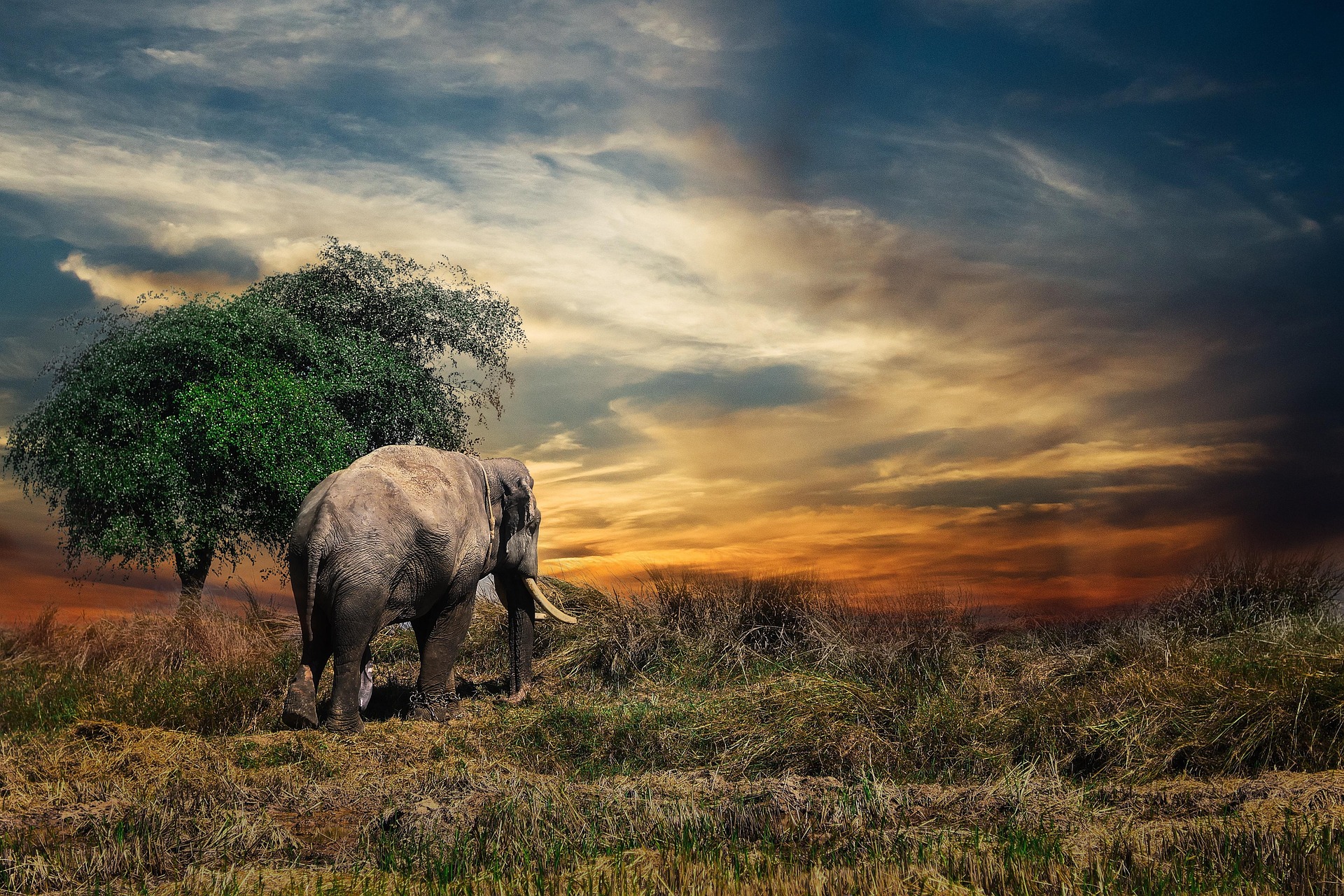
Introduction to African Safaris
African safaris represent one of the most thrilling adventures for nature lovers and adventure seekers alike. This unique experience allows individuals to immerse themselves in the breathtaking landscapes, diverse ecosystems, and an array of wildlife found across the African continent. From the vast savannas in East Africa to the lush wetlands of Southern Africa, each safari destination offers distinct experiences, making it vital for travelers to select the right locale based on their preferences.
At the heart of an African safari lies wildlife watching, where enthusiasts can observe iconic species such as lions, elephants, giraffes, and rhinoceroses in their natural habitats. Viewing the “Big Five” – a term that refers to these majestic animals – has become a quintessential element of the safari experience. However, safaris extend beyond mere wildlife observation; they offer opportunities for engaging with local cultures, participating in community-led initiatives, and experiencing traditional customs that add depth to the adventure.
Furthermore, safaris can encompass various forms of exploration, catering to diverse interests and activities. Some travelers may prefer guided jeep tours or walking safaris, which provide a closer connection to nature, while others may opt for canoe safaris, birdwatching excursions, or luxury tented lodges that integrate comfort with wilderness living. Each approach offers a different perspective on the intricate relationships between wildlife and their habitats, making it crucial to understand the specific offerings of potential destinations.
As travelers seek to design their perfect escape into the heart of Africa’s wild landscapes, choosing the best safari destination emerges as a key factor in shaping their overall experience. With careful consideration of the variety of options available, enthusiasts can ensure that their African safari is not just a trip, but a memorable journey filled with adventure, education, and wonder.
Understanding Different Safari Types
Africa is renowned for its diverse landscapes and rich wildlife, offering a plethora of safari types to suit various preferences and interests. Understanding these different safari options is paramount for travelers aiming to curate their ideal wildlife experience. Among the most popular safari types are game drives, walking safaris, boat safaris, and luxury camping, each providing a unique perspective on the continent’s natural wonders.
Game drives are perhaps the most traditional form of safari. Conducted in specially modified vehicles, these excursions allow visitors to traverse vast savannahs and dense jungles. Experienced guides drive guests through prime wildlife territories, where they can observe animals in their natural habitat. This form of safari is ideal for those seeking the classic African experience, as it combines comfort with the thrill of viewing big game, such as lions, elephants, and rhinos, from a safe distance.
For those preferring a more immersive experience, walking safaris offer an intimate connection with nature. Participants venture on foot with trained guides, who provide knowledge about flora and fauna, as well as tracking techniques. This type of safari is perfect for adventurous souls eager to engage in the sights and sounds of the wilderness while learning about the ecosystem.
Boat safaris present a serene alternative, particularly in areas rich with rivers and lakes. These excursions allow travelers to observe wildlife from the water, often resulting in unique sightings of hippos, crocodiles, and various bird species. This approach is beneficial for those interested in water-based scenery and the tranquility it provides.
Lastly, luxury camping offers an upscale safari experience, integrating comfort with adventure. Accommodations may include lavish tented camps equipped with modern amenities, granting guests the opportunity to sleep under the stars while enjoying personalized service. This option appeals to those seeking both adventure and relaxation in an elegant setting.
Key Factors to Consider When Choosing a Safari Destination
When selecting a safari destination in Africa, it is essential to consider various factors that influence the overall experience. One of the most critical aspects is timing and seasonality, as these elements significantly impact wildlife visibility and behavior. The dry season, typically from June to October, is often regarded as the prime time for safaris. During this period, animals are more likely to congregate around water sources, making sightings more frequent. Alternatively, the wet season offers lush landscapes and the opportunity to witness newborn wildlife but may present challenges with vehicle accessibility in certain areas.
Budget considerations play a fundamental role in choosing the right safari destination. The cost of safaris can vary widely, influenced by factors such as location, the type of accommodations, dining experiences, and the extent of guided services included in the package. Travelers should assess their financial limits while factoring in the experience they seek, as opting for luxury lodges without compromising comfort can enhance the safari experience significantly.
Additionally, the type of wildlife one wishes to see should guide decision-making. Africa is home to an array of diverse ecosystems that support various species, from the “Big Five” (lion, leopard, elephant, buffalo, and rhinoceros) in popular national parks to unique safari experiences in off-the-beaten-path regions. Choosing a destination that aligns with specific wildlife interests can contribute to a fulfilling safari adventure.
Lastly, the desired level of comfort or luxury is also crucial. Options range from tented camps and self-drive adventures to high-end lodges with gourmet meals and spas. Understanding one’s preferences regarding comfort will ensure an enjoyable and memorable safari experience. By carefully weighing these factors, travelers can make informed decisions when selecting their ideal safari destination in Africa.
The Best Wildlife Parks and Reserves in Africa
Africa is home to some of the world’s most spectacular wildlife parks and reserves, each offering unique experiences and diverse ecosystems. When choosing the best safari destination, several locations stand out due to their incredible biodiversity and accessibility. Among these, the Serengeti National Park in Tanzania is renowned for its annual wildebeest migration, a phenomenon that attracts photographers and nature lovers alike. This UNESCO World Heritage site is teeming with wildlife, including lions, elephants, and various antelope species, making it a prime choice for those seeking an authentic safari experience.
Moving towards Kenya, the Maasai Mara National Reserve complements the Serengeti seamlessly as it continues the supply of migrating wildlife across the border. The reserve is famous not only for the Big Five—lions, elephants, buffaloes, leopards, and rhinos—but also for its rich Maasai culture. Visitors can witness dramatic river crossings during the migration season, creating memorable moments that are often captured on film.
South Africa’s Kruger National Park is another eminent destination, offering visitors the chance to see diverse wildlife in a relatively accessible environment. As one of Africa’s largest game reserves, Kruger provides self-drive safari opportunities, allowing guests to experience wildlife viewing at their own pace. The park is home to nearly 150 mammal species and boasts varied landscapes, enhancing the overall safari experience.
Lastly, Etosha National Park in Namibia presents a unique arid landscape featuring vast salt pans, creating a distinct setting for wildlife viewing. The park is recognized for its waterholes, where visitors can often spot elephants and lions congregating, particularly during dry seasons. Each of these parks and reserves showcases the continent’s rich natural heritage, making them vital destinations for any wildlife enthusiast seeking an unforgettable African safari adventure.
Understanding Local Culture and Community Engagement
When choosing a safari destination in Africa, understanding the local culture is of paramount importance. Engaging with local communities not only enriches the safari experience but also fosters an appreciation for diverse traditions and lifestyles. Many safari operators are increasingly incorporating cultural elements into their itineraries, allowing travelers to connect with indigenous people and gain insights into their way of life.
Participating in community-led activities such as traditional dance performances, cooking classes, or guided tours can profoundly enhance a safari. Travelers are often fascinated by the stories and rituals of the local tribes, deepening their understanding of the region’s history and social fabric. More importantly, such interactions promote respectful tourism, where the emphasis is placed on protecting and valuing local customs and practices.
Moreover, ethical tourism practices are crucial when it comes to engaging with local communities. It is essential for travelers to choose eco-friendly lodges and tour companies that adhere to sustainable principles. These businesses typically invest a portion of their revenue back into the communities, supporting education, health care, and conservation efforts. By doing so, tourists not only enjoy a memorable safari experience but also contribute positively to the livelihoods of local people.
Travelers should also be mindful of cultural sensitivities when visiting communities. Being respectful of local customs, dressing appropriately, and asking permission before taking photographs can go a long way in building trust and fostering meaningful connections. This cultural awareness enriches the safari experience and reflects a commitment to responsible tourism.
In conclusion, choosing a safari destination with an emphasis on local culture and community engagement can lead to a transformative experience. By engaging ethically with local communities, travelers can foster respect and appreciation, ensuring their safari is both memorable and beneficial to those who call the land home.
Deciding Between Popular vs. Off-the-Beaten-Path Destinations
When planning a safari, one of the pivotal decisions is whether to opt for popular destinations or to explore the off-the-beaten-path locales that Africa offers. Popular safari destinations, such as the Serengeti in Tanzania or Kruger National Park in South Africa, are renowned for their rich wildlife and well-established tourism infrastructure. These locations often guarantee sightings of iconic animals such as lions, elephants, and rhinos. Additionally, amenities such as luxury lodges, guided tours, and well-marked trails make the experience more accessible for visitors.
However, visiting these crowded hotspots may sometimes detract from the experience. Tourists may find themselves sharing viewing spots with a multitude of other safari-goers, leading to a more commercialized atmosphere. The vibrant energy may appeal to some, yet others may seek tranquility and a stronger connection to nature, often found in less frequented areas. In contrast, off-the-beaten-path destinations offer a different flavor of adventure. These less-commercialized locations, such as the Makgadikgadi Pans in Botswana or the wilderness areas of Zambia, provide exclusivity and a greater chance to encounter wildlife without the presence of large crowds.
Choosing lesser-known destinations allows travelers to immerse themselves in the unique ecosystems and cultures, fostering a deeper understanding of the land. Additionally, many of these sites often feature eco-friendly lodges that support local communities, making for a more sustainable travel choice. Nonetheless, potential visitors should remain cognizant of the challenges associated with off-the-beaten-path travel, such as limited amenities, less extensive wildlife viewing, and logistical considerations.
Ultimately, the decision between popular and off-the-beaten-path safari destinations hinges on individual preferences. Whether one values iconic wildlife sightings or seeks unique experiences away from the masses, each option presents distinct rewards and potential limitations that must be carefully weighed.
Planning Your Safari Itinerary
When embarking on a safari adventure, thoughtful planning of your itinerary is vital to ensure a fulfilling experience. One of the primary considerations is the duration of your stay at each location. Typically, a safari itinerary can span from a few days to several weeks, depending on the desired destination and personal preferences. Popular safari parks such as the Serengeti or Maasai Mara may require a minimum of three to four days to adequately explore wildlife and landscapes. Balancing your time between these iconic locations is crucial, as each offers unique opportunities for observation and photography.
Another important aspect is structuring travel between parks. To make the most of your safari itinerary, planning routes that minimize travel time and maximize wildlife encounters should be prioritized. Depending on the specific locations, consider the modes of transport available, such as small charter flights or road transfers, to ensure smooth transitions. Direct routes can save time and enhance your overall experience. Additionally, familiarize yourself with the seasonal migration patterns; for instance, visiting during the Great Migration can provide breathtaking experiences but will also require strategic planning regarding accommodations and transport.
Flexibility is another key component of a successful safari itinerary. Wildlife is unpredictable, and your tour may deviate from the original plan as new opportunities arise. Allowing for downtime to rest and rejuvenate between activities can significantly enhance your enjoyment. Many safari lodges offer stunning vantage points for unwinding, ensuring that you remain energized and ready for the next adventure. Embracing this flexibility while being well-prepared will lead to a more rewarding safari journey.
Packing Essentials for Your Safari Adventure
Preparing for a safari in Africa requires careful consideration of various factors, including the safari activities planned, climate, and duration of the trip. One essential aspect of a successful safari is to pack wisely, ensuring you have all necessary items without exceeding weight limits. A well-thought-out packing list can greatly enhance your overall experience.
First and foremost, appropriate clothing is vital. Lightweight, breathable fabrics are recommended, especially if you are planning to embark on game drives during the hotter parts of the day. Neutral colors, such as khaki, beige, and olive, not only blend in with the surroundings but also help in minimizing mosquito attraction. Consider packing long-sleeved shirts and trousers to protect against sunburn and insect bites, along with a wide-brimmed hat to shield your face from the harsh sun.
Footwear is another critical component of your packing essentials. Comfortable walking shoes suitable for uneven terrain are recommended, as they will provide the necessary support for hiking and exploring. Flip-flops or sandals can also be beneficial for relaxing at your accommodation.
In addition to clothing, packing suitable gear is essential for optimizing your safari experience. Binoculars are highly recommended for wildlife observation, while a good camera will help you capture memorable moments. Don’t forget to include extra batteries and memory cards to ensure you do not miss any photographic opportunities. Furthermore, consider packing a lightweight backpack for day trips, allowing you to carry snacks, water, and other essentials comfortably.
Health-related items should also be prioritized. Include a basic first-aid kit, insect repellent, sunscreen, and any personal medications you may require during your trip. Depending on your safari location, vaccinations or prophylactics for malaria may also be necessary, so be sure to consult a healthcare provider well ahead of your departure.
Ultimately, a well-prepared packing list tailored to your safari adventure will enhance not only your comfort but also your enjoyment while exploring Africa’s breathtaking landscapes and diverse wildlife.
Conclusion: Making the Most of Your Safari Experience
In embarking on a safari adventure, the choice of destination is pivotal to the overall experience. As we have explored throughout this guide, numerous factors come into play when selecting the perfect safari location, ranging from the types of wildlife one hopes to witness to the unique cultural experiences offered in various regions. Understanding your preferences and priorities is essential for tailoring the safari experience to your interests, ensuring that the journey is not only enjoyable but also deeply fulfilling.
For example, if observing the renowned Big Five is at the top of your list, opting for destinations such as the Maasai Mara or Kruger National Park may be your best bet. Conversely, for those interested in a more tranquil environment, destinations like Lake Nakuru or the Serengeti’s less crowded areas offer serene settings alongside spectacular wildlife viewing. Additionally, considering the seasonality of wildlife migrations and the climate can help you select a time that aligns with your personal comfort and desired sights.
It’s also important to incorporate various experiences into your safari. Beyond the game drives, consider taking guided walking tours, visiting local communities, or engaging in conservation efforts. These activities not only enrich your adventure but also allow for a deeper appreciation of the ecosystem and the cultures that coexist with it.
Ultimately, a well-planned safari provides an opportunity to disconnect from daily life and reconnect with nature. The vast landscapes, extraordinary wildlife, and vibrant cultures of Africa await your exploration, promising memories and insights that last a lifetime. By reflecting on your priorities and remaining open to the unpredictable beauty of the African wilderness, your safari experience can be profound and indelible.
No responses yet