
Introduction to African Safaris
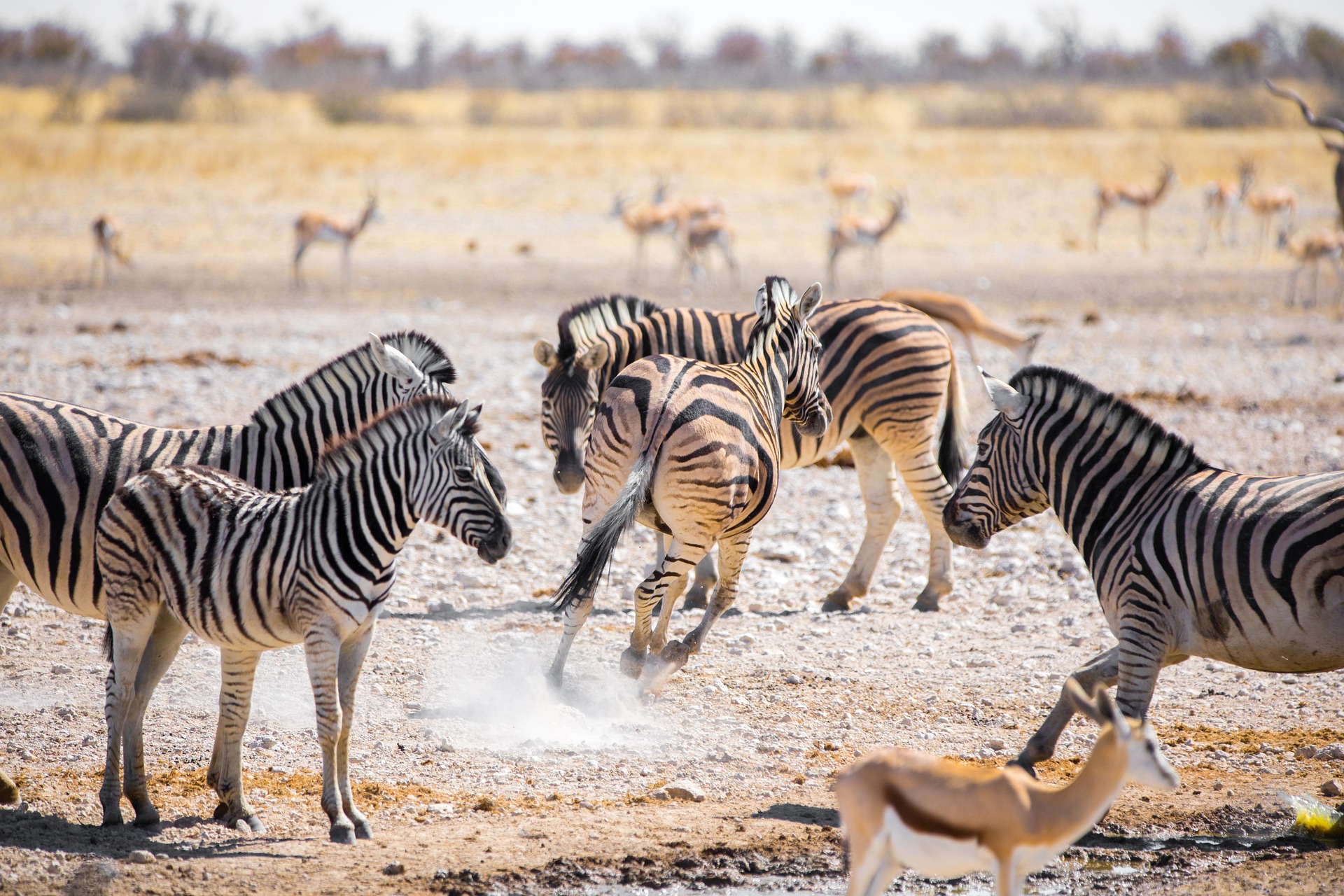
African safaris are immersive experiences that allow travelers to encounter the continent’s rich biodiversity and breathtaking landscapes. These adventures typically involve exciting wildlife viewing, where participants have the opportunity to observe iconic species such as elephants, lions, and giraffes in their natural habitats. The thrill of witnessing these magnificent creatures roaming freely adds to the allure of an African safari, captivating both seasoned travelers and first-time visitors alike.
Safaris are often conducted in renowned parks like the Serengeti in Tanzania and Kruger National Park in South Africa. These well-established locations draw numerous tourists each year, renowned for their abundance of wildlife and stunning vistas. The Serengeti, for instance, is famed for the Great Migration, a spectacular event where millions of wildebeest and zebras traverse the plains in search of greener pastures. Similarly, Kruger National Park boasts a diverse ecosystem that includes a variety of landscapes, from savannahs to woodlands, making it a prime destination for wildlife enthusiasts.
However, the beauty of African safaris extends beyond these popular locales. Several lesser-known parks provide unique opportunities for adventure seekers and nature lovers, emphasizing experiences that are often more intimate and personal. These hidden gems offer a chance to explore diverse ecosystems that may be less frequented by tourists, enabling visitors to connect more closely with nature and local cultures. Encompassing everything from misty montane forests to vibrant wetlands, these parks present distinct wildlife encounters that can enrich one’s understanding of the continent’s natural heritage.
As we delve into lesser-known parks in Africa, the diverse experiences and beauty that these destinations offer are sure to surprise and inspire those looking for unforgettable adventures in the wild.
The Importance of Lesser-Known Parks
While many travelers flock to renowned safari destinations such as the Serengeti or Kruger National Park, lesser-known parks offer unique experiences that are often overlooked. These hidden gems play a crucial role in biodiversity conservation and provide significant benefits to both wildlife and the communities that surround them. One of the most compelling advantages of visiting these lesser-known destinations is the opportunity to escape the overcrowded landscapes of popular parks, allowing for a more intimate encounter with nature.
In lesser-known parks, the lack of crowds enables visitors to observe animals in their natural habitats without the distractions and disturbances that often accompany larger tourist hubs. This quieter experience can result in remarkable wildlife sightings, enhancing the overall safari adventure. It also allows for a more personalized journey, as guides can dedicate time and attention to individual visitors, enriching the educational aspect of the trip. By choosing these less-traveled paths, safari enthusiasts can engage with wildlife more profoundly.
Furthermore, traveling to lesser-known parks provides essential support to local communities. Many of these parks are managed by communities that rely on eco-tourism for their livelihoods. By visiting and investing in these parks, tourists contribute to the conservation efforts and sustainable practices that safeguard both the natural environment and local cultures. This fosters a greater appreciation for the delicate balance between wildlife preservation and human development. Thus, opting for lesser-known parks not only enriches the tourist experience but also empowers communities and conserves biodiversity.
Through increased awareness and appreciation of these sites, travelers can play a pivotal role in promoting responsible tourism, ensuring that these lesser-known parks thrive now and in the future.
Tsavo National Park, Kenya
Tsavo National Park, situated in Kenya, is one of the largest game reserves in the world, covering an impressive area of approximately 4,000 square miles. This expansive landscape comprises contrasting environments, from sprawling savannahs to rugged hills and volcanic terrains, creating a unique ecosystem that supports a rich diversity of flora and fauna. Among its most notable inhabitants are the famous red elephants, whose distinctive coloring is attributed to the park’s rich red soil. These elephants have become a symbol of Tsavo, captivating visitors who come to witness their behavior and interactions in the wild.
Established in 1948, Tsavo National Park has a rich history, stemming from its initial formation to protect the wildlife within its boundaries. It was originally divided into two parts: Tsavo East and Tsavo West, each offering unique attractions and experiences. Tsavo East is characterized by its expansive plains and the Galana River, which attracts large herds of wildlife, while Tsavo West is known for its volcanic landscapes and diverse habitat, featuring lush vegetation near water sources.
Visitors to Tsavo can engage in a plethora of activities. Game drives are the most popular way to explore the park, allowing travelers to observe lions, zebras, giraffes, and countless bird species in their natural habitats. Additionally, certain areas of the park offer opportunities for guided walking safaris, enabling an intimate experience with the surroundings. Birdwatching is also exceptional here, with over 500 species documented, making it a paradise for ornithologists and bird lovers alike.
The best time to visit Tsavo National Park is during the dry season, which typically spans from June to October. During this period, wildlife is more easily spotted as animals gather around dwindling water sources. Regardless of the season, Tsavo National Park remains an undiscovered marvel, showcasing nature’s beauty and the importance of wildlife conservation.
Samburu National Reserve, Kenya
Nestled in the arid northern region of Kenya, the Samburu National Reserve exudes a unique charm that makes it an essential destination for wildlife enthusiasts and adventure seekers alike. This lesser-known park spans approximately 165 square kilometers and is characterized by striking landscapes, which include rolling hills, riverine forests, and the Ewaso Nyiro River. These dramatic features provide a picturesque backdrop for visitors hoping to experience Africa’s diverse ecosystem away from the more crowded safari locales.
Samburu is home to several endemic species, making it a prime spot for those interested in observing wildlife. The reserve’s unique fauna includes the reticulated giraffe, Grevy’s zebra, and the Somali ostrich, among others. This biodiversity is complemented by the rich cultural heritage of the Samburu people, a semi-nomadic community known for their vibrant traditions and hospitality. Engaging with the local tribes offers visitors an enriching cultural experience that showcases age-old practices and customs in harmony with nature.
In addition to wildlife viewing, the Samburu National Reserve provides a variety of activities that can enhance your visit. Guided game drives are a popular choice, allowing tourists to explore different habitats while spotting the reserve’s unique inhabitants. Bird watching is another rewarding pursuit, as the area is home to over 300 bird species. For those seeking more immersive experiences, nature walks led by knowledgeable guides will deepen one’s appreciation for the area’s flora and fauna.
To ensure a fulfilling experience while visiting Samburu, it is advisable to plan your trip during the dry seasons, typically between June and October. These months facilitate easier wildlife spotting as animals congregate around water sources. Furthermore, booking accommodations in advance and considering guided tours can greatly enhance your adventure, providing insight into the reserve’s unique ecology and cultural tapestry. The Samburu National Reserve stands out as a remarkable destination that promises both thrilling wildlife encounters and an authentic glimpse into the vibrant culture of its inhabitants.
Kafue National Park: A Hidden Gem in Zambia
Kafue National Park, situated in Zambia, ranks among the largest national parks in Africa, sprawling over 22,400 square kilometers of diverse ecosystems. This vast expanse is renowned for its rich wildlife populations, which include lions, leopards, elephants, and various antelope species, making it an ideal destination for wildlife enthusiasts and photographers alike. Beyond its abundant fauna, Kafue is marked by the stunning landscapes created by the Kafue River and its numerous tributaries, offering picturesque backdrops for exploration.
While many travelers flock to more popular destinations, Kafue’s lesser-known offerings provide unique experiences that set it apart. One such experience is the opportunity to embark on walking safaris, allowing visitors to connect with nature in a more immersive way. Guided by experienced local rangers, these walks offer insights into the park’s ecology, wildlife behavior, and indigenous flora, emphasizing the importance of understanding and appreciating the environment up close.
In addition to its enriching exploration opportunities, Kafue National Park also places a strong emphasis on conservation efforts. Local initiatives aim to protect the diverse ecosystems and support the communities surrounding the park. These programs not only promote sustainability and wildlife conservation but also foster a greater awareness of the challenges that wildlife faces, such as poaching and habitat loss. By participating in tourism, visitors contribute to the funding that supports these vital conservation efforts, ensuring that Kafue continues to thrive as a sanctuary for both wildlife and future generations.
Visiting Kafue National Park offers a remarkable way to experience Africa’s natural beauty while engaging in responsible tourism. Its relatively untouched landscapes and commitment to wildlife preservation make it an invaluable asset in Zambia, encouraging visitors to appreciate its significance in the broader conservation narrative across the continent.
Anysburg Nature Reserve, South Africa
Anysburg Nature Reserve, nestled in the majestic mountains of South Africa, offers an escape into a stunning natural environment that most tourists often overlook. This hidden gem is renowned for its breathtaking mountain views and its distinct variety of flora and fauna, which can be particularly refreshing compared to larger, more commercialized parks. The reserve, relatively unknown to many travelers, provides an authentic wildlife experience framed against the scenic backdrop of the Hex River Mountains.
One of the defining features of Anysburg is its biodiversity. Visitors can encounter several endemic plant species alongside a variety of wildlife, including elusive species not commonly found in larger reserves. The ecosystems within Anysburg support numerous bird species, making it a paradise for birdwatchers and nature enthusiasts alike. As you traverse the trails, you may spot the magnificent raptors soaring above, or hear the rustling of smaller mammals hidden within the underbrush.
For those seeking immersive outdoor experiences, Anysburg offers several well-marked hiking trails that cater to different skill levels. Trekking through these paths, participants can engage with the landscape intimately, uncovering hidden viewpoints that provide panoramic vistas of the surrounding mountains and valleys. A moderate hike on the trails rewards trekkers with spectacular views that are perfect for photography. Additionally, guided walks can enhance the experience, as knowledgeable rangers share insights about the unique ecosystems and conservation efforts in place.
Visitors to Anysburg Nature Reserve can also partake in unique activities such as stargazing, which can be particularly enchanting away from city lights, providing a pristine canvas of the night sky. The peaceful ambiance and raw beauty of the reserve make it an ideal destination for those looking to connect with nature, away from the crowds often found in more prominent parks. This blend of adventure and tranquility underscores why Anysburg Nature Reserve should be on every nature lover’s travel itinerary.
5. Madikwe Game Reserve, South Africa
Madikwe Game Reserve, located in South Africa’s North West Province, is recognized for its unique features that set it apart as a premier safari destination. This malaria-free zone is particularly appealing to families and travelers who prioritize health and safety while indulging in the adventure of wildlife viewing. The reserve spans over 75,000 hectares and supports a rich biodiversity, making it an essential location for ecotourism.
One of the hallmark achievements of Madikwe is its successful wildlife relocation initiatives. Established in the 1990s, the reserve focused on returning various species to their natural habitats, thereby restoring the ecological balance of the area. Today, it is home to a splendid array of animal life, including the iconic Big Five: lions, leopards, elephants, rhinos, and buffalo. Visitors to Madikwe often remark on the diverse wildlife encounters, ranging from thrilling predator sightings to peaceful moments with herbivores.
The experience of visiting Madikwe is further enhanced by the variety of accommodations available. From luxurious lodges to more budget-friendly options, the park caters to a spectrum of guests looking to immerse themselves in nature without sacrificing comfort. Many lodges offer guided safari drives and bush walks led by knowledgeable rangers, allowing visitors to gain deeper insights into the region’s ecology and conservation efforts.
For optimal wildlife viewing, the best time to visit Madikwe Game Reserve is during the dry season, particularly from May to September. During this period, animals tend to congregate around water sources, making sightings more frequent and exhilarating. This combination of factors makes Madikwe Game Reserve a worthy inclusion for anyone looking to discover the hidden gems of African safari experiences.
Lake Nakuru National Park, Kenya
Lake Nakuru National Park, located in the Great Rift Valley of Kenya, is a remarkable destination widely celebrated for its extraordinary birdwatching opportunities, particularly during the migratory season when thousands of flamingos flock to the lake. This unique phenomenon creates one of nature’s most stunning spectacles, transforming the lake’s edges into vibrant pink fringes. More than just birds, the park is home to a diverse array of wildlife, including both black and white rhinoceroses, which are among the park’s protected species, showcasing the importance of conservation efforts in this region.
The park features a variety of unique habitats, ranging from the shallow alkaline lake itself to surrounding woodlands and grasslands. These ecosystems support an impressive biodiversity, consisting of over 400 bird species and numerous mammals. Visitors to Lake Nakuru National Park may also encounter giraffes, zebras, waterbuck, and the elusive leopard, making it an ideal location for wildlife enthusiasts and photographers alike. The mix of different environments not only attracts a wide range of animal species but also provides a scenic backdrop that enriches the visitor experience.
Conservation efforts in Lake Nakuru National Park have become vital, particularly with the challenges posed by poaching and habitat loss. The park’s management has implemented various educational programs aimed at raising awareness about the significance of protecting this unique ecosystem. Additionally, eco-tourism plays an essential role in supporting these conservation initiatives by providing revenue that can be reinvested back into protecting the park’s natural resources and wildlife. By visiting Lake Nakuru, tourists not only enjoy a breathtaking safari experience but also contribute to the ongoing efforts to preserve its ecological treasures.
7. Liuwa Plain National Park, Zambia
Liuwa Plain National Park, situated in the Western Province of Zambia, is a hidden gem that offers visitors a unique experience of unspoiled African wilderness. The park is renowned for its breathtaking landscapes, characterized by vast savannahs, seasonal floodplains, and a rich diversity of flora and fauna. One of the most remarkable events in Liuwa Plain is the annual wildebeest migration, which typically takes place between November and December. This mesmerizing phenomenon draws herds of wildebeest, accompanied by other grazers, as they navigate the terrains in search of fresh pastures.
The park is also home to a dedicated commitment to wildlife conservation, making it an essential destination for those passionate about preserving Africa’s natural heritage. Conservation efforts in Liuwa Plain are centered around protecting its unique habitats and vulnerable species. Travelers visiting the park can witness these initiatives firsthand, often getting the chance to engage with local conservation organizations. This makes it an ideal location for ecotourism, where visitors can connect with both the environment and the local culture.
For photographers and nature lovers, Liuwa Plain offers a plethora of opportunities to capture stunning images of wildlife in their natural habitat. The serene landscapes provide a perfect backdrop, particularly during the golden hours of sunrise and sunset. Birdwatchers will also delight in the diverse avian population, with numerous species, including the endangered wattled crane, calling Liuwa home. Seasonal trips to the park are best planned around the migration period or during the dry months from May to September, when wildlife viewing is at its peak. This combination of natural beauty, conservation efforts, and vibrant culture makes Liuwa Plain National Park a remarkable destination in Africa, often overlooked by mainstream tourism.
Conclusion: Embrace the Adventure
Exploring lesser-known parks in Africa offers an unparalleled opportunity to engage with the continent’s incredible biodiversity and rich cultural heritage. These hidden gems provide a refreshing alternative to the more frequented destinations, allowing travelers to experience unique landscapes, diverse wildlife, and authentic local interactions. From the picturesque views of Nyika National Park in Malawi to the secluded wilderness of Kafue National Park in Zambia, each of these lesser-known parks presents a distinctive adventure waiting to be discovered.
By choosing to visit these off-the-beaten-path destinations, adventurers not only enjoy the thrill of uncovering Africa’s secret treasures but also contribute to responsible tourism. Supporting local communities and conservation efforts through eco-friendly practices ensures that these stunning environments are preserved for future generations. Engaging with local guides and participating in community-based projects fosters a deeper connection between visitors and the cultures they encounter, enriching the overall safari experience.
Moreover, travelers can help promote sustainable tourism by opting for accommodations that prioritize environmental stewardship and local involvement. By supporting such initiatives, visitors empower communities while also enhancing their own adventure. The sights, sounds, and experiences within these less crowded parks often lead to more memorable encounters with nature, providing an authentic safari experience that can be both enlightening and transformative.
In conclusion, venturing into Africa’s lesser-known parks opens up a world of extraordinary possibilities for discovery and connection. As hopeful travelers begin to plan their next safari, we encourage them to embrace the adventure that awaits in these unexplored regions. By selecting these hidden gems, one not only indulges the spirit of adventure but also nurtures the beauty of Africa’s wildlife and local cultures, paving the way for a more sustainable and meaningful travel experience.
No responses yet