
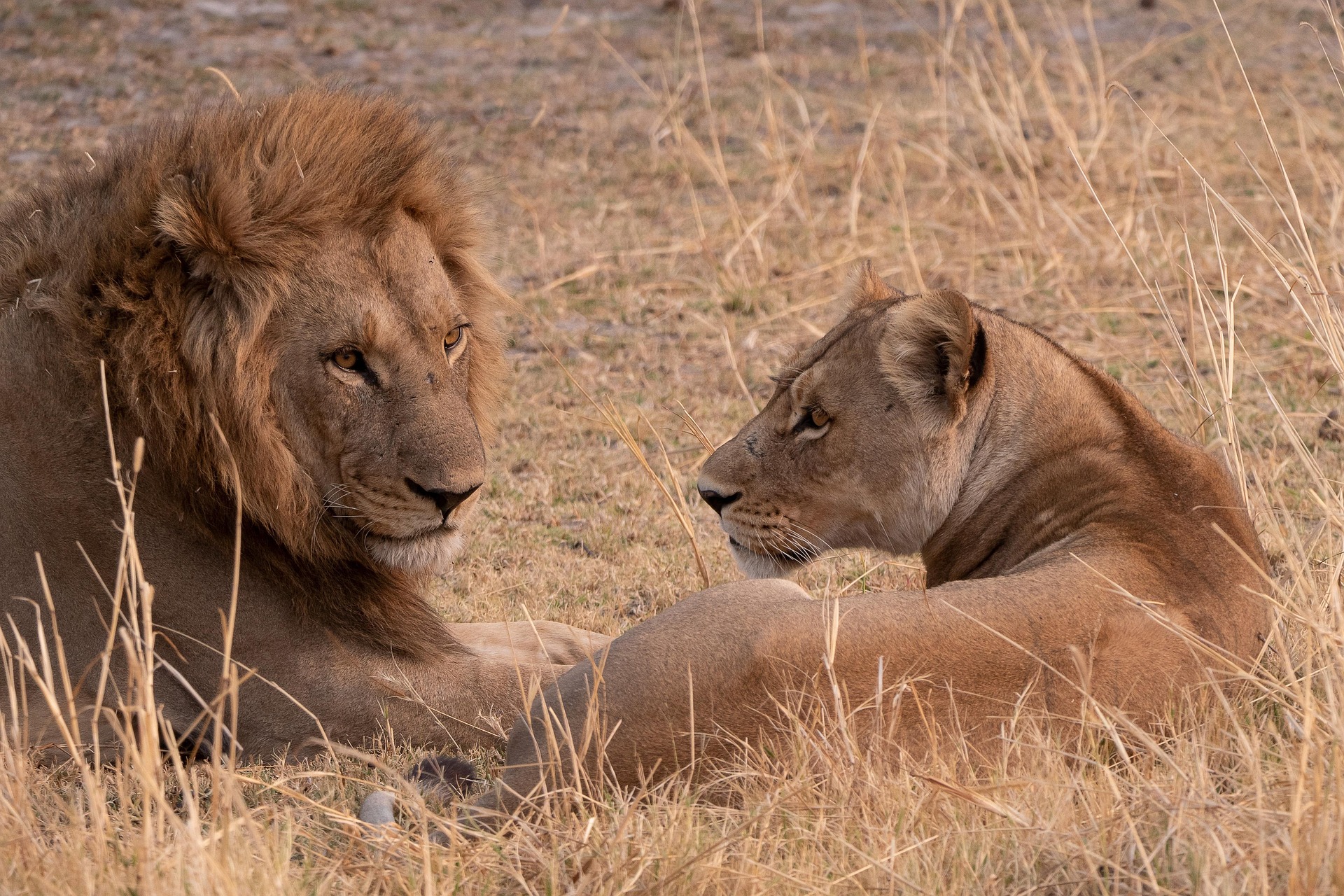
Introduction to Lion Safaris in Africa
When one thinks of African wildlife, lions invariably come to mind. Known as the ‘kings of the jungle,’ lions play a pivotal role in the continent’s ecology and culture. Their majestic presence in the savannah has captivated the hearts and minds of countless people around the world. Lions are not just significant due to their iconic status; they serve as a vital indicator of the health of ecosystems in which they reside. As apex predators, they help maintain the balance between herbivore and vegetation populations, fostering a diverse and thriving environment.
The allure of spotting these magnificent creatures in their natural habitat drives many tourists to embark on lion safaris across various African countries. The experience of witnessing lions in their own territory is unparalleled, as it allows visitors to appreciate their behaviors and interactions firsthand. Safari enthusiasts often seek out prime locations where lion sightings are prominent, adding an element of excitement and anticipation to their trips.
Furthermore, lions carry significant cultural weight across many African tribes, often symbolizing strength, courage, and leadership. This cultural attachment enhances the appeal of lion safaris, as tourists not only seek to observe these majestic animals but also to understand their importance within local traditions and stories. The widespread fascination with lions also underlines the urgent need for conservation efforts, as their populations continue to face threats from habitat loss, poaching, and human-wildlife conflict.
As we delve deeper into Africa’s top safari destinations renowned for lion sightings, it is essential to appreciate the interplay between wildlife conservation and tourism. This understanding will enrich the safari experience, making it not just a journey to encounter lions but also a commitment to preserving their existence for future generations.
Why Lions are a Must-See on Safari
Lions, often referred to as the “king of the jungle,” embody the essence of the African wildlife experience. Their unique characteristics and behaviors capture the imagination of travelers and wildlife enthusiasts alike. These majestic animals are not only remarkable due to their physical prowess but also because of their intricate social structures and hunting strategies. Living in prides, which typically consist of several related females, their offspring, and a few males, lions exhibit a level of social interaction that is both fascinating and crucial for their survival.
One of the most captivating aspects of lion behavior is their communal hunting techniques. Unlike solitary hunters such as leopards, lions showcase an impressive teamwork dynamic, which enables them to take down prey that is considerably larger than themselves. As they work in unison, travelers often find themselves awestruck, witnessing strategies that display both intelligence and coordination. Many safari-goers recount exhilarating moments when observing a synchronized hunt, with lions carefully coordinating their movements to ambush unsuspecting wildebeests or zebras.
Anecdotes from travelers often emphasize the thrill of seeing a lion in its natural habitat. Witnessing the roar of a lion echoing through the savanna at dawn or catching a glimpse of cubs playfully tumbling around their parents are experiences that remain etched in memory. The sheer majesty and power exuded by these animals during such encounters evoke emotions that words can hardly describe. As one traveler recounted, the sight of a male lion surveying his territory against the backdrop of the setting sun is nothing short of a spiritual experience, reinforcing the idea that lions are essential sightings on any safari.
Ultimately, the combination of their social dynamics, hunting prowess, and the emotional resonance they evoke makes lions a must-see on any safari adventure. For those seeking an unforgettable wildlife experience, the opportunity to observe these magnificent creatures in the wild undoubtedly enhances the allure of African safaris.
Top Safari Destinations for Lion Sightings
Africa is renowned for its breathtaking wildlife and diverse ecosystems, making it a premier destination for safari enthusiasts seeking to witness majestic lions in their natural habitat. Among the myriad of locations available, several stand out for their prolific lion populations and thrilling viewing opportunities.
The Serengeti National Park in Tanzania is arguably the most iconic safari destination for lion sightings. Spanning over 5,700 square miles, this UNESCO World Heritage Site is home to one of the largest lion populations globally. Visitors can observe these magnificent predators during the Great Migration, when the park is teeming with wildebeest and zebras providing a prime hunting ground.
In South Africa, the Kruger National Park offers a unique blend of accessibility and excellent wildlife sightings. Covering nearly 7,500 square miles, it boasts a diverse array of habitats, resulting in a rich lion ecosystem. With well-maintained roads and a variety of accommodation options, the Kruger is perfect for both novice and experienced safari-goers hoping to catch a glimpse of these regal cats.
Kenya’s Amboseli National Park is another prime location to witness lions. Set against the stunning backdrop of Mount Kilimanjaro, the park provides an extraordinary vantage point for viewing not only lions but also elephants and other wildlife. The unique mix of open plains and swamps makes it an excellent habitat for lion prides, especially during the dry season when they are more actively hunting.
In addition to these notable parks, the Hwange National Park in Zimbabwe and the Okavango Delta in Botswana are also known for their lion sightings. Each destination offers distinct advantages, from rugged wilderness experiences to vibrant ecosystems, making Africa a paradise for wildlife lovers seeking to observe lions in their natural environment.
Best Time to Spot Lions on Safari
When planning a safari to observe lions in their natural habitat, understanding the seasonal patterns of these majestic creatures is crucial. Lions, as social animals, often exhibit varying behaviors throughout the year, influenced by factors such as migration patterns, mating seasons, and environmental conditions. Typically, the dry season, which spans from June to October in many African regions, is considered the best time for lion sightings. During this period, vegetation thins out, making it easier to spot these big cats as they frequent watering holes in search of hydration.
Additionally, the mating season, which peaks during the wetter months from December to March, can significantly impact lion visibility. During this time, males may venture further away from their prides, offering unique opportunities for observers to see the drama of courtship and territorial disputes. It’s important to note, however, that heavy rains can lead to lush landscapes which may hinder visibility, making lion tracking more challenging. Thus, safari-goers looking to catch a glimpse of lions should consider timing their trips to coincide with this intriguing aspect of lion behavior.
Weather plays a significant role as well; for instance, the wet season can attract more wildlife to the areas, which, in turn, draws lions who seek food. However, during extreme rainfall, accessing certain areas can be difficult and lead to missed opportunities. Therefore, understanding the cycles of the African environment is essential for maximizing wildlife viewing experiences. Overall, the interplay between lions’ routines and seasonal changes creates a dynamic landscape that offers both challenges and rewards in the quest for lion sightings on safari.
Top Tips for Lion Watching on Safari
Witnessing lions in their natural habitat is a thrilling experience for any safari enthusiast. To improve your chances of observing these magnificent creatures, several strategies can be employed. Choosing the right tour guides is paramount. Experienced guides possess invaluable knowledge of lion behavior, their preferred habitats, and the optimal times for sighting. Opt for a safari operator with a strong reputation for wildlife tracking and a deep understanding of the local ecosystem. Additionally, consider the size and group composition of the safari tour; smaller groups often facilitate better sightings and personalized experiences.
Timing is another critical factor in successful lion sightings. Lions are most active during the early morning and late afternoon when they hunt and roam. Scheduling your safari during these peak hours increases the likelihood of encountering these big cats. Moreover, understanding the seasonal patterns of lion activity can enhance your safari experience. Different times of the year might yield varying opportunities to see lions, depending on prey availability and environmental conditions.
Patience is essential during any wildlife observation. While lions may not always be immediately visible, remaining still and quiet can lead to significant rewards. Often, lions rest for long periods, so waiting near known territories may result in a sighting as they eventually emerge from their hiding spots. Photographers should also be prepared with the best equipment to capture these fleeting moments. A camera with a good zoom lens and the ability to take high-quality images in different lighting conditions can make a considerable difference.
Lastly, being respectful of wildlife and their habitat is crucial. Maintaining a safe distance from the lions ensures their comfort and well-being, while also allowing for authentic sightings. By following these guidelines, you can significantly enhance your lion watching experience on safari, making it both memorable and responsible for the wildlife involved.
Responsible Lion Tourism: Conservation Insights
Responsible tourism plays a pivotal role in the conservation of lion populations and their natural habitats across Africa. The significance of engaging in sustainable practices cannot be overstated, particularly as the lion faces numerous threats, including habitat loss, poaching, and conflicts with human communities. Through responsible tourism, travelers can contribute to the protection of these majestic creatures while supporting the local economies that rely on their presence.
Numerous organizations work tirelessly to implement conservation efforts aimed at preserving lion habitats and ensuring the survival of these iconic animals. Initiatives often include community engagement, anti-poaching patrols, and habitat restoration projects. These programs not only protect wildlife but also educate local communities about the importance of coexisting with lions, fostering a sense of stewardship toward the natural environment. As a result, responsible lion tourism plays a crucial role in funding and sustaining these conservation initiatives, helping to mitigate human-wildlife conflicts and encourage local involvement in wildlife protection.
In addition to supporting conservation organizations, tourists can adopt sustainable safari practices to further benefit lion populations. Staying in eco-friendly lodges, choosing tour operators committed to ethical wildlife viewing, and participating in conservation-focused activities can highlight the significance of responsible tourism. Tourists are encouraged to prioritize experiences that emphasize wildlife conservation and endorse practices that minimize environmental impact. By choosing to engage in responsible tourism, travelers can become advocates for lions, demonstrating to local communities the economic value of protecting these animals.
Ultimately, the potential positive impact of responsible lion tourism on conservation reveals that tourism can be a powerful tool for safeguarding wildlife and their habitats. As tourists engage with Africa’s natural beauty, their choices can lead to meaningful contributions toward the preservation of the lion population and the ecosystems they inhabit.
Accommodation Options for Safari Travelers
When planning a trip to witness the majestic lions of Africa, selecting the right accommodation can significantly enhance the experience. The range of options available caters to diverse tastes and budgets, ensuring every traveler can find a suitable home while exploring top safari destinations.
Luxury lodges are among the most sought-after accommodations, offering extraordinary comfort and personalized service. These lodges are often situated within private game reserves, providing exclusive access to wildlife sightings, including lions. Guests can enjoy spacious suites with private balconies, gourmet dining, and various amenities such as spa facilities and guided game drives that can be tailored to their preferences. This level of luxury immerses travelers in the natural beauty of Africa while ensuring a high standard of comfort.
On the other end of the spectrum, budget-friendly camps and lodges provide economical yet memorable alternatives for safari enthusiasts. These accommodations typically offer a more rustic experience, often allowing guests to sleep in canvas tents that blend seamlessly into the environment. Staying in these camps allows travelers to connect more intimately with nature and enjoy the sounds of wildlife at night. Campfire dinners and shared initiatives promote camaraderie amongst guests and create lasting memories of adventure in the wild.
Moreover, mobile safari camps have gained popularity for their flexibility and immersive experiences. These camps shift locations throughout the season, allowing guests to follow wildlife migration patterns closely. Whether opting for luxury lodges, budget camps, or mobile setups, travelers have access to various accommodation choices that contribute to an unforgettable safari experience.
Ultimately, selecting the appropriate accommodation can significantly impact a safari adventure, especially for those keen on witnessing the iconic lions of Africa in their natural habitat.
Visitor Testimonials and Experiences
Numerous visitors have shared their unforgettable experiences of lion sightings during their safaris across Africa, highlighting the emotional and exhilarating aspects of witnessing these magnificent creatures in their natural habitat. One family described their trip to the Serengeti as a transformative event, where their children were captivated by the sight of a lioness grooming her cubs. They remarked on how this encounter sparked their children’s interest in wildlife conservation, emphasizing the educational value of seeing lions in the wild.
Solo travelers also have powerful stories to share. A wildlife photographer recounted spending hours silently observing a pride of lions from a safe distance. The thrill of capturing the perfect shot of a lion basking in the golden light of sunset became a defining moment in her photography career. She conveyed the profound connection she felt to nature, describing how the sight of the lions instilled a sense of peace and inspiration within her.
Group tours provide yet another perspective, as friends joined forces for a memorable adventure in Kruger National Park. They recounted a nerve-wracking yet exhilarating moment when they spotted a pride of lions on a kill. The excitement surged through the entire group, as they collectively experienced the rawness of nature and the circle of life. Those moments fostered a sense of camaraderie, allowing them to bond over shared adrenaline and awe.
Each of these testimonials illustrates the profound impact that lion sightings can have on individuals, families, and groups. Whether it’s the spark of curiosity ignited in children or the thrill of capturing the perfect photograph, the experiences shared highlight the awe-inspiring and emotional connections that visitors make with Africa’s wilderness. Such encounters not only create lasting memories but also inspire a deeper appreciation for wildlife conservation efforts, ensuring that future generations can also enjoy the wonders of seeing lions in their natural environment.
Conclusion: The Thrill of Lion Safaris
Africa’s diverse ecosystems offer unparalleled opportunities for travelers seeking the thrill of lion safaris. These majestic creatures, often referred to as the kings of the jungle, symbolize the essence of the African wilderness. Engaging in a lion safari allows individuals to experience the raw beauty of nature, highlighting the intricate relationships within the ecosystem. Each encounter with these powerful animals adds an exhilarating layer to the safari adventure, providing unforgettable memories that linger long after the journey concludes.
The excitement of tracking lions in their natural habitat is complemented by the surrounding landscapes, teeming with a variety of wildlife. Whether it is the vast savannas of the Serengeti or the enchanting Ngorongoro Crater, the locations known for lion sightings present a unique backdrop that enhances the safari experience. Observing lions in their social structures, often resting under the shade or engaging in teamwork during hunts, provides invaluable insights into their behavior and the delicate balance of their habitat.
Moreover, embarking on a lion safari fosters a connection with nature that is both enriching and transformative. As viewers witness the captivating dynamics of pride life and understand the challenges faced by these magnificent creatures, there is a growing appreciation for conservation efforts aimed at protecting these iconic species. This heightened awareness underscores the importance of sustainable tourism in preserving Africa’s wildlife and habitats for future generations.
In conclusion, a lion safari is not just an adventure; it is an invitation to explore the marvels of nature while playing an active role in its conservation. For those looking to immerse themselves in Africa’s extraordinary wilderness, a lion safari promises an exceptional experience filled with awe, learning, and adventure.
No responses yet