
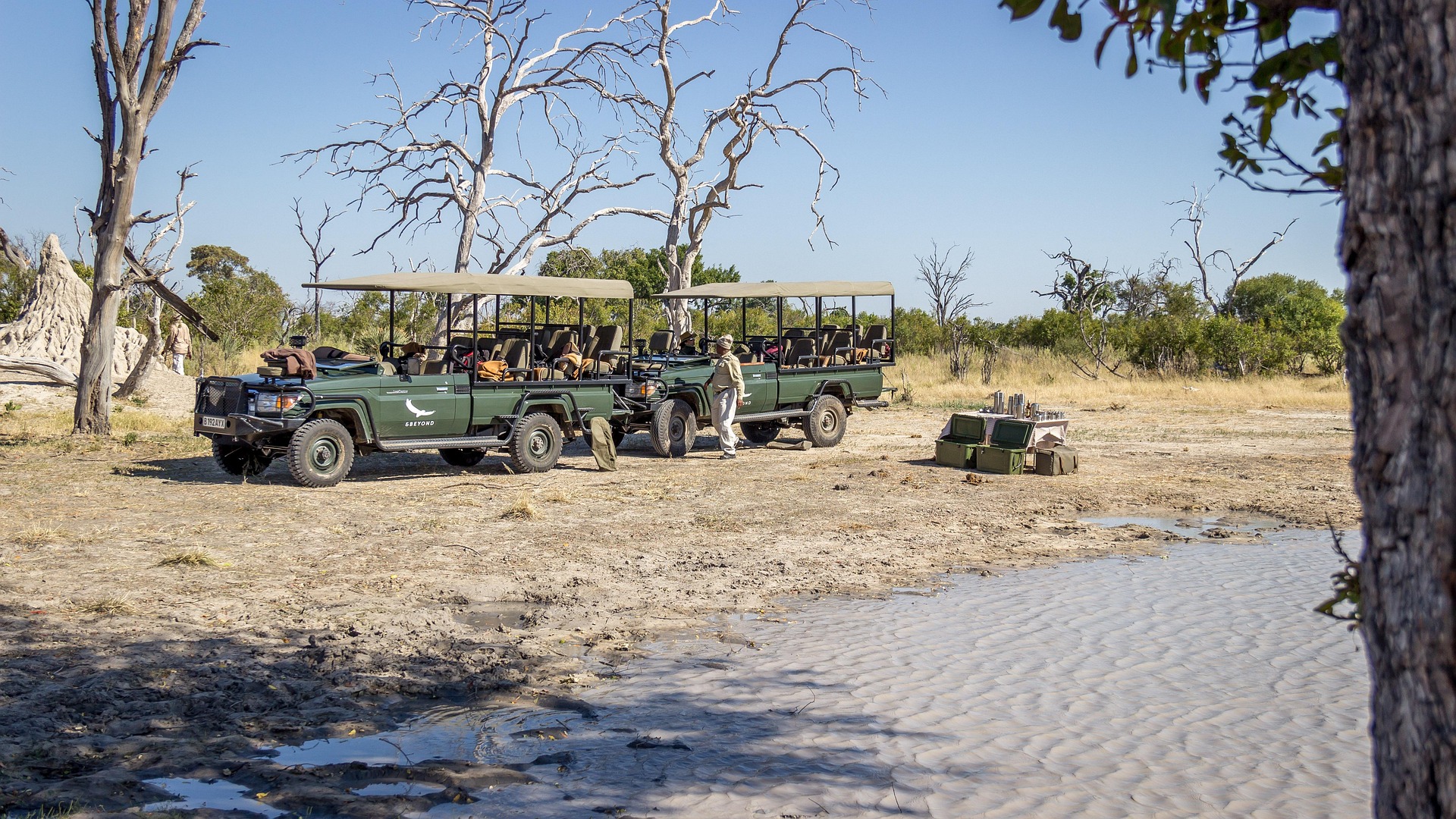
Understanding the Safari Environment
When planning a safari, it is essential to grasp the different environments you may encounter during your adventure. The safari experience often unfolds in varied ecosystems, predominantly including savannas, forests, and wetlands. Each of these habitats presents unique challenges for visitors, particularly related to climatic conditions and terrain, which can significantly influence clothing choices.
Savannas are perhaps the most iconic of safari environments, characterized by vast open spaces dotted with occasional trees. This region can experience high temperatures during the day, often exceeding 30 degrees Celsius (86 degrees Fahrenheit). However, as night falls, temperatures can drop markedly, sometimes to as low as 10 degrees Celsius (50 degrees Fahrenheit). Therefore, wearing layers is advisable to accommodate these temperature fluctuations. Lightweight, breathable fabrics such as cotton and linen work well during the day, while a warmer outer layer is necessary for the night chill.
In contrast, forested areas present a different climate that can often be humid and cooler due to the canopy covering. In these dense habitats, rain is more frequent, especially during the wet season; hence, water-resistant or quick-drying clothing is essential. Choosing clothing that provides protection against insects is also prudent in forested environments, where pesky mosquitoes and other insects thrive.
Wetlands, such as swamps or marshes, are often home to rich biodiversity. The climate in these regions can be steamy, leading to the potential for sudden rain showers. Opting for moisture-wicking fabrics can keep you comfortable in this humid setting, as they help sweat evaporate and dry quickly. Additionally, durable footwear is recommended here, as terrain can be slippery and unstable. Understanding these environments and their respective weather patterns is essential for selecting appropriate safari attire, ensuring both functionality and comfort.
Choosing the Right Fabrics
When it comes to selecting the ideal clothing for a safari, the choice of fabric plays a critical role in ensuring comfort and practicality. Safari conditions often present challenges such as high temperatures, humidity, and the likelihood of encountering various elements in the wild. Therefore, understanding the properties of different fabrics is essential for an optimal safari experience.
Natural fibers, such as cotton and linen, are traditionally favored for their breathability and comfort. Cotton, for example, is lightweight and soft, which helps in maintaining body temperature. It allows for air circulation, making it an excellent choice for hot climates. Furthermore, cotton’s absorbent nature helps wick away perspiration, keeping the wearer dry during exertion. However, it is worth noting that cotton may not be the most durable option in rugged conditions and can take longer to dry when wet.
Linen, another natural fiber, boasts similar benefits but offers superior breathability. Its unique weave allows for excellent airflow, which is especially beneficial in highly humid environments. Additionally, linen is naturally resistant to mold and mildew, making it a reliable choice for clothing that might encounter wet conditions. On the downside, linen wrinkles easily and may not provide the same level of durability as synthetic materials.
On the other hand, synthetic fabrics such as polyester and nylon have gained popularity for their performance in outdoor settings. These materials are typically more durable and resistant to wear, making them suitable for the rigors of safari adventures. They often feature moisture-wicking properties, effectively drawing sweat away from the skin to promote quick drying. This is particularly advantageous during intense heat or after sudden rainfalls.
Ultimately, the best choice of fabric for safari wear may depend on individual preferences and specific conditions. A strategic combination of natural and synthetic materials can provide a balanced approach, offering both comfort and functionality during your safari journey.
Color Matters: What to Wear for Wildlife Observation
When planning what to wear on a safari, color plays a crucial role, both for personal comfort and wildlife observation. The primary objective of selecting appropriate colors is to blend seamlessly into the natural environment. Neutral colors such as khaki, beige, and olive green are ideal choices for safari attire. These shades help you remain inconspicuous, permitting you to appreciate wildlife in its natural habitat without causing unnecessary disturbance. Bright or bold colors like red, white, or yellow could startle animals, making them more difficult to observe.
Additionally, adopting a color palette of earth tones not only enhances your camouflage but also adds to the overall aesthetic of your safari wardrobe. Wearing fabrics in subdued colors allows you to appreciate the beauty of the surrounding landscapes without becoming a spectacle. This mindful approach to choosing color can significantly improve the likelihood of encountering various species, whether it be simple gazelles grazing in the grass or a pride of lions resting in the shade.
While it is essential to select colors that promote blending in, practicality should also be a consideration. Opting for darker colors can be beneficial for those who are concerned about dirt and stains. Safaris can be dusty, and your attire will inevitably get soiled, so choosing darker shades not only minimizes the visibility of the dust but also ensures you maintain a neat appearance throughout your adventure. Fabrics that are both lightweight and easy to clean are particularly advantageous, allowing for comfort and convenience during long hours spent outdoors.
In summary, choosing the right colors for your safari attire is not merely a matter of style; it fundamentally affects your experience in the wilderness. By opting for neutral and dark shades, you enhance your ability to observe wildlife while maintaining a practical and polished look.
Layering for Comfort and Versatility
When planning a safari adventure, understanding the significance of layering clothing cannot be overstated. Safaris often involve varying temperatures throughout the day, necessitating an adaptable approach to attire. A well-thought-out layering system enhances comfort while allowing individuals to respond to the shift in climate effectively. There are three essential layers to consider: base layers, insulation layers, and outer layers.
The base layer serves as the foundation of your safari outfit. It should be lightweight and made from moisture-wicking materials to keep you dry and comfortable. Fabrics such as merino wool or synthetic blends are excellent choices, as they draw sweat away from the body and maintain a warm temperature. For optimal performance, choose long-sleeve tops and leggings for added coverage against sun and insects.
Next comes the insulation layer, which adds warmth without bulk. Fleece jackets or lightweight down vests can provide the necessary heat in the cooler early mornings or evenings. These items should be easy to pack and carry, allowing flexibility based on the day’s forecast. When selecting insulation pieces, look for those that allow freedom of movement, ensuring you can fully enjoy the safari experience.
Lastly, the outer layer is your protection against environmental elements. A lightweight, breathable jacket is essential to shield against wind, rain, and unexpected weather changes. Choose one that is compact and can easily be stowed in a backpack when not in use. Additionally, waterproof features may prove beneficial if rain is in the forecast.
Finally, opting for quick-drying fabrics in all layers is crucial, due to the possibility of encountering damp conditions during your safari. Lightweight garments not only pack easily but also allow you to transition seamlessly throughout the day, so you can focus on the adventure ahead rather than your attire.
Footwear Essentials: Comfort Meets Traction
When embarking on a safari adventure, selecting the right footwear is crucial for ensuring comfort and safety during excursions. The terrain can vary significantly, encompassing sandy paths, rocky trails, and even wet areas. Thus, it is vital to wear shoes that provide adequate support, traction, and protection against the elements. Among the popular choices are hiking boots, sneakers, and sandals, each offering distinct advantages and disadvantages.
Hiking boots are often considered the best option for safari because they provide excellent ankle support and grip. These boots are usually made with durable materials that can withstand rugged terrain, helping to prevent injuries caused by uneven ground. However, they can be quite heavy and may require a break-in period. Travelers should consider wearing them during short walks prior to the safari to ensure they are fully comfortable.
Sneakers or trail-running shoes can also be a solid option for safari footwear. They are typically lighter than hiking boots and offer ample comfort and breathability. However, it is important to choose a pair with a robust outsole for traction, particularly if the safari includes intensive walking. An additional benefit is that they are quick to dry, should one encounter unexpected wet conditions.
Sandals are less common but can be suitable for hot climates where ventilation is essential. Opt for sturdy sandals with thick soles and secure straps to ensure that feet are protected from sharp objects and insects. While they offer breathability, they may not provide the same level of protection as closed shoes. Regardless of the type of footwear chosen, blister prevention is paramount. Wearing moisture-wicking socks and ensuring shoes fit well will help mitigate these issues. In conclusion, selecting appropriate footwear for a safari is a vital aspect of preparation, ensuring maximum comfort and safety throughout the excursion.
Accessories for Function and Fashion
Embarking on a safari adventure involves more than merely selecting comfortable clothing; it also requires careful consideration of accessories that enhance both style and practicality. One of the primary accessories to consider is a wide-brimmed hat. This piece not only offers sun protection but also adds a touch of elegance to your overall attire. Opt for hats that have UPF (Ultraviolet Protection Factor) ratings to ensure optimal coverage from harmful rays. Lightweight materials like straw or breathable cotton are ideal, as they keep you cool while providing necessary shade.
Sunglasses are another crucial accessory for a safari. Choosing a pair with UV protection is essential for shielding your eyes from intense sunlight. Look for options that offer polarized lenses, which can reduce glare and improve visibility. Stylish frames can complement your outfit, allowing you to seamlessly blend fashion with functionality while ensuring your eyes remain protected.
To carry your essentials, utility belts or comfortable backpacks are vital. An effective utility belt can hold small items such as a camera, binoculars, or personal identification, while keeping your hands free for exploration. When selecting a backpack, consider one that is lightweight yet spacious enough to accommodate water bottles, snacks, and other necessities. Look for features like adjustable straps and multiple compartments to enhance both comfort and organization.
Moreover, preparing for the elements involves essentials like insect repellent and sunscreen. These accessories may not be fashion items, but their importance cannot be overstated. Opt for sunscreens with a high SPF for comprehensive protection against sunburn, and choose insect repellents that contain DEET or natural alternatives for effective protection against pesky bugs. By strategically selecting these accessories, you can ensure a successful safari experience that balances style with practical needs.
Dressing for the Different Safari Activities
When preparing for a safari, it is essential to consider the different activities involved, as each may require specific clothing to ensure both comfort and practicality. Understanding the attire suited for game drives, walking safaris, and evening excursions can enhance your overall experience while allowing you to remain stylish and engaged with your surroundings.
For game drives, where the focus is on observing wildlife from the comfort of a vehicle, layering is crucial. The early morning and late afternoon temperatures can be quite cool, so starting with a long-sleeved base layer, paired with a lightweight jacket or fleece, is advisable. Neutral tones such as khaki, olive, or beige are not only fashionable but also help with camouflage, minimizing disturbance to the wildlife. Opt for comfortable trousers or shorts made of breathable materials to allow for ease of movement during these excursions.
In contrast, walking safaris demand different considerations. Participants should prioritize sturdy footwear, such as hiking boots or supportive sneakers, which offer both comfort and protection. Lightweight, moisture-wicking clothing will enhance comfort during physical exertion. Incorporating a wide-brimmed hat and sunglasses protects against sun exposure, which can be intense during midday walks. It’s also prudent to consider insect-repellent clothing or carry repellents to guard against bites.
Evening excursions present a unique opportunity to blend style with comfort. While the temperatures drop, maintaining a sophisticated appearance is possible through the use of lightweight, long-sleeved shirts paired with stylish trousers or a nice dress. Adding a lightweight scarf can provide warmth, while also being a fashionable accessory. It is advisable to be mindful of the colors chosen for evening safari wear, as darker shades may attract insects.
By thoughtfully selecting your safari attire based on the planned activities, you can maintain an adaptable wardrobe while ensuring your comfort, style, and readiness for adventure.
Packing List Essentials for Safari Adventures
Packing for a safari adventure requires careful consideration to ensure you have the necessary items without overloading your luggage. Start by selecting a quality pair of lightweight, breathable pants. These should provide comfort and mobility, while also protecting against sun and insects. Ideally, choose neutral colors like khaki, beige, or olive that not only blend into the safari environment but also resist showing dirt.
Next on the packing checklist are shirts. Opt for long-sleeved and short-sleeved options made from quick-drying and moisture-wicking fabrics. This ensures you stay cool during the day and can layer up as temperatures drop in the evenings. Look for shirts with built-in UV protection for added sun safety. A good idea is to have a combination of solid colors and patterns to cater to different situations.
Footwear is another critical component. Sturdy, closed-toe shoes are essential for walking and navigating potentially uneven terrains. Consider packing lightweight hiking boots or shoes designed for safari activities, ensuring they are broken in before your trip. Additionally, a pair of sandals may be useful for relaxing during downtime.
Accessories play a significant role in a successful safari experience. A wide-brim hat is essential for sun protection, alongside sunglasses with UV protection. Don’t forget to pack a multifunctional scarf or bandana, which can be used for sun protection or as a light covering during chilly mornings. Lastly, a good-quality, lightweight daypack will prove invaluable for carrying essential gear during outings.
To maximize space, utilize packing cubes or compression bags to organize clothing efficiently. This not only conserves space but also makes it easier to find items in your luggage. Carefully curated packing ensures safety and convenience, allowing you to fully enjoy your safari experience.
Final Thoughts: Merging Style with Functionality
Embarking on a safari adventure is an exciting experience that allows individuals to connect with nature while enjoying the beauty and diversity of wildlife. As highlighted throughout this blog post, choosing the right attire is crucial for ensuring both comfort and style during your journey. It is possible to look fashionable while prioritizing functional clothing that enhances your overall safari experience.
When selecting your safari wardrobe, consider the environment and potential weather conditions. Lightweight, breathable fabrics such as cotton and linen not only provide comfort in variable temperatures but also help reduce the risk of overheating. Moreover, choosing neutral tones can enable you to blend seamlessly into the landscape, minimizing disturbance to wildlife and enhancing your overall experience. Combining style with practicality can further elevate your safari adventure.
In addition, investing in versatile pieces such as cargo pants or zip-off trousers can offer flexibility, allowing you to adapt your outfit based on changing conditions. Pairing these with moisture-wicking shirts will ensure that you are prepared for both warm days and cooler evenings, while also maintaining a polished appearance. Accessories, including wide-brimmed hats and durable footwear, play a vital role as well in not only providing sun protection but also adding a stylish flair to your ensemble.
Ultimately, the key takeaway is to embrace your personal style while adhering to the practical tips discussed in the previous sections. A successful safari outfit harmoniously merges fashion and functionality, ensuring that you are well-equipped to fully enjoy the unique opportunities that a safari presents. Crafting an outfit that embodies your sense of style, while considering the practical requirements, will make your safari not just a journey, but a memorable experience.
No responses yet