
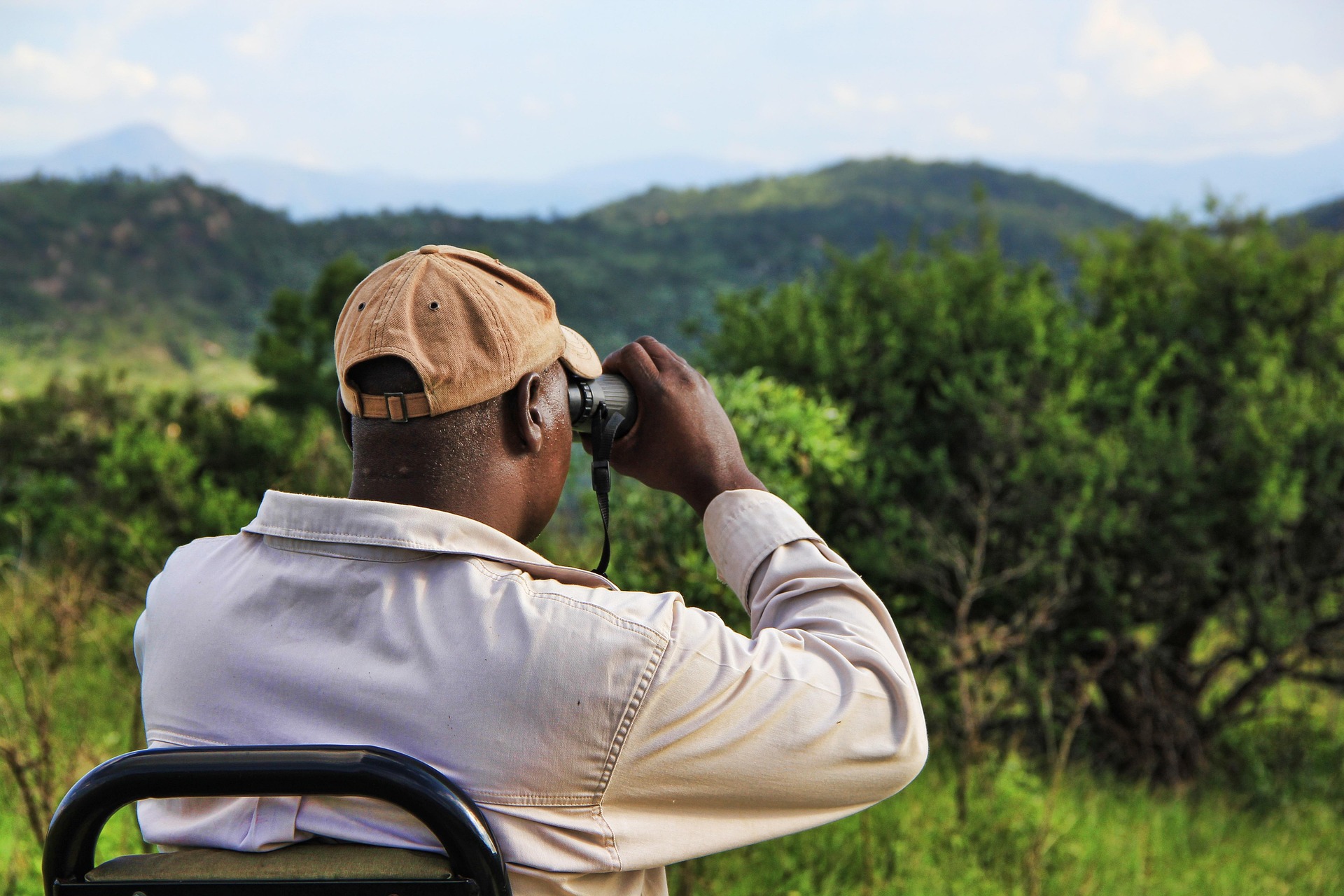
Introduction to African Safaris
An African safari is truly a remarkable experience, offering travelers the chance to immerse themselves in the continent’s stunning biodiversity and vibrant cultures. At its core, a safari entails exploring the wild landscapes of Africa, where one can encounter majestic wildlife in their natural habitats. The allure of going on a safari lies in the unique blend of adventure and tranquility, allowing visitors to witness the beauty of nature while participating in various activities.
There are several types of safaris that cater to different interests, from traditional game drives to more intimate walking or canoe safaris. A game drive typically involves traveling in a 4×4 vehicle, providing an excellent vantage point for spotting wildlife such as lions, elephants, and giraffes. For those desiring a more up-close experience, walking safaris offer guided treks through the bush, allowing participants to learn about the delicate ecosystems and track wildlife on foot. Additionally, photographic safaris have gained popularity, encouraging photographers to capture breathtaking images of landscapes and wildlife.
No matter the type, preparation is paramount for an enjoyable safari experience. Potential travelers must consider various factors such as the time of year, the specific destinations they plan to visit, and the activities they wish to engage in. Weather can vary dramatically across regions, making it essential to pack accordingly. Furthermore, understanding any health and safety precautions, such as vaccinations and preventive medications, is crucial to ensure a smooth experience.
Ultimately, a comprehensive packing list is indispensable for a successful safari adventure. It serves as a guide to help visitors bring essential gear, clothing, and supplies, ensuring they are well-prepared to enjoy the wonders of the African wilderness. With the right preparations, a safari can become a transformative journey, leaving lasting memories and a deeper appreciation for nature.
Clothing Essentials
When preparing for an African safari, the choice of clothing is a critical aspect that can significantly enhance your experience. Packing appropriately tailored outfits ensures comfort, practicality, and respect for local cultures. It is essential to select clothing made from lightweight, breathable fabrics that allow for moisture-wicking, keeping you cool in the heat during daytime excursions.
A fundamental item for your safari wardrobe is a safari shirt. Opt for long-sleeved shirts that provide sun protection while still allowing airflow. Light, neutral colors are generally preferred, as they reflect sunlight and avoid attracting unwanted attention from insects. Paired with khaki pants, which are durable and versatile, you can enjoy both functionality and style. Cargo pants with multiple pockets are particularly useful for storing small items such as sunscreen and a camera while on the move.
Comfortable hiking shoes are indispensable for traversing varied terrains, so select a pair that offers good support. Waterproof footwear can be beneficial, especially if you encounter wet conditions or muddy paths. Moreover, it’s wise to pack a pair of sandals for a more relaxed option during downtime at the lodge or camp.
Evenings in Africa may bring cooler temperatures, so layering becomes vital when planning your clothing. A lightweight fleece or a warmer jacket can provide comfort after sunset while enjoying the breathtaking views of the savannah. Additionally, consider cultural sensitivity when choosing clothing, particularly in more traditional areas. Wearing conservative attire can demonstrate respect towards local customs and help foster positive interactions with the community.
Incorporating these clothing essentials into your packing list will prepare you for the unpredictable yet exhilarating journey that an African safari promises. From ensuring physical comfort to embracing local norms, thoughtful preparation will significantly contribute to a rewarding experience.
Footwear – Finding the Right Fit
Choosing the right footwear is essential for ensuring a comfortable and enjoyable African safari experience. The activities involved, ranging from walking safaris to game drives, require specific types of shoes designed for durability and comfort. When preparing for a safari, it is imperative to consider both the terrain and the length of each activity to select the best footwear options.
For walking safaris, lightweight hiking boots or sturdy trail shoes are highly recommended. These types of shoes provide adequate ankle support and protect your feet from sharp objects, thorny undergrowth, or uneven terrain that you may encounter on foot. Look for shoes with good grip to navigate through varying landscapes efficiently. Additionally, consider shoes that are breathable, as this will help maintain comfort during warmer days.
On the other hand, when planning to partake in game drives, comfortable sandals or open-toed shoes can offer relief during long hours in a vehicle. However, it is advised to opt for closed-toe sandals to protect your feet and provide better support while boarding and disembarking from the safari vehicle. Ensure the sandals have a non-slip sole for added safety.
Prior to your trip, allocate time to break in your footwear thoroughly. This process is vital in preventing blisters or discomfort during your safari adventures. Wear your chosen shoes for short periods, gradually increasing their usage until they feel comfortable for extended wear. In addition, consider wearing moisture-wicking socks to further enhance comfort and reduce friction on your feet. Proper footwear is not only about style; it significantly impacts your overall safari experience.
Health and Safety Items
When preparing for an African safari, packing adequate health and safety items is essential to ensure a smooth and enjoyable experience. First and foremost, a well-stocked first aid kit should be among your top priorities. This kit should include essentials such as adhesive bandages, antiseptic wipes, pain relievers, and any personal medications that you may require. Having a comprehensive first aid kit can be invaluable in situations like minor injuries or unforeseen health issues during your travels.
Insect repellent is another crucial item to consider. The risk of insect-borne diseases, especially in certain regions of Africa, necessitates proper protective measures. Opt for a high-repellent product containing DEET or other effective ingredients, applying them liberally on exposed skin to minimize the risk of bites. Additionally, treating clothing with insect repellent can further enhance your protection.
Sun exposure is another health concern during a safari, making the use of high-SPF sunscreen vital. Choose a broad-spectrum sunscreen with at least SPF 30 that is water-resistant, and be sure to apply it generously to all exposed areas of the skin. Reapplication every few hours, particularly after sweating or swimming, will help prevent sunburn, which can detract from your overall experience.
Furthermore, prior to embarking on your safari, you may need certain vaccinations to safeguard against potential illnesses. Consult with a healthcare provider or a travel clinic well in advance of your trip to discuss any recommended vaccines, such as those for hepatitis A, typhoid, and yellow fever. Staying informed about health precautions ensures that you are adequately prepared and can fully enjoy your adventure without the worry of health risks. Taking these steps not only promotes well-being but also contributes to a more secure safari experience.
Photography Gear
Embarking on an African safari offers a plethora of breathtaking moments that are simply begging to be captured. Consequently, having the right photography gear is paramount to ensuring that these experiences are preserved beautifully. A quality camera is the cornerstone of a good photography setup. For most enthusiasts, a digital single-lens reflex (DSLR) camera or a mirrorless camera is an ideal choice. These types of cameras offer superior image quality, manual settings for creative control, and interchangeable lenses that can accommodate various shooting conditions.
When selecting lenses, it is advisable to include a versatile zoom lens, such as a 24-70mm, which allows for both landscape and close-up shots without frequent lens changes. Additionally, a long telephoto lens, ideally ranging from 100mm to 400mm, is important for capturing distant wildlife. Wildlife photography often requires quick adjustments, so keeping a fast prime lens handy can also be beneficial for scenarios with low light or when depth of field control is necessary.
Moreover, accessories play a crucial role in protecting and enhancing your equipment during the safari. A sturdy camera bag not only ensures the safety of your gear but also makes transportation easier. Opt for a bag with weather resistance or a rain cover, as environmental conditions can vary greatly in the African wilderness. Alongside this, utilizing protective lens filters can guard against dust and moisture, which are common during safaris. Extra batteries and memory cards should also be included, as power sources may be limited in remote areas. A sturdy tripod or monopod is beneficial for stable shots, especially during early morning or late evening when lighting is challenging.
Ultimately, investing in quality photography gear while employing protective packing techniques can significantly enhance your safari experience, allowing you to capture all the unforgettable wildlife moments with clarity and vibrancy.
Camping and Outdoor Gear
Embarking on an African safari involves immersing oneself in the stunning wilderness, requiring the right camping gear to ensure comfort and survival. When selecting your equipment, prioritize lightweight and multifunctional items to facilitate easy transport. One of the most vital components of your camping gear is a quality sleeping bag designed for varied temperature ranges. Opt for a bag that is both compact and insulated, ensuring warmth during the cooler nights common in many safari locations.
Additionally, a durable and waterproof tent is essential for protection against unpredictable weather. Choose a tent that is easy to set up, as well as lightweight enough to carry with you. Look for features like ventilation for warm climates and a built-in insect net to keep mosquitoes at bay during your rest periods. Furthermore, it is advisable to invest in portable cooking equipment. A compact camping stove, along with refillable gas canisters, allows for easy meal preparation. Don’t forget to include essential cooking utensils and a lightweight pot or pan that can handle open flame cooking.
Multi-tools can be invaluable in a safari camping scenario. These versatile tools combine various functionalities—such as a knife, screwdriver, and can opener—into one compact device, saving space in your pack. To maximize comfort and minimize weight within your gear, consider packing only necessary items while also utilizing compression bags to reduce the volume of your clothing and sleeping gear. This strategy not only helps with organization but ensures that you carry the essentials, promoting a more enjoyable outdoor experience. By carefully selecting your camping gear, you can enhance your safari adventure while being well-prepared for the wild.
Technology and Communication Tools
In the age of advanced technology, ensuring effective communication and connectivity during your African safari can significantly enhance your travel experience. While the serene landscapes and wildlife encounters are paramount, bringing the right tech tools is essential for convenience and safety. Mobile phones, for example, not only aid in navigation but also serve as a critical means of communication with local services or emergencies.
When preparing your packing list, consider including a reliable mobile charger. Due to the remote nature of many safari locations, access to power sources can be limited. Investing in a power bank will allow you to charge your devices on the go, ensuring that your phone remains functional throughout the trip. This device can be a lifesaver, especially if you’re relying on your phone for navigation, capturing memories, or even staying in touch with family and friends.
For individuals venturing into particularly isolated areas, a satellite phone may be a prudent addition to your technological toolkit. Unlike mobile phones, which often rely on conventional cell service, satellite phones can connect from virtually anywhere, providing a critical communication link to the outside world. This can be exceptionally beneficial in emergency situations, where help may be needed in a timely manner.
Wi-Fi availability can vary significantly across safari lodges and camps. While some establishments offer Wi-Fi services, they may not always be reliable or high-speed. Therefore, it’s worthwhile to download essential applications and materials onto your devices beforehand. Make sure to pack any necessary adapters or chargers that correspond to the electrical systems in use at your destinations, as this will prevent any unforeseen inconvenience.
Ultimately, equipping yourself with proper technology and communication tools will not only enhance your safari experience but will also provide peace of mind as you explore the breathtaking landscapes of Africa.
Snacks and Hydration
Maintaining energy levels is crucial during safari adventures, where long hours of wildlife viewing and exciting excursions can be physically demanding. Choosing the right snacks and ensuring proper hydration can significantly enhance your safari experience. When it comes to portable snacks, it is recommended to opt for non-perishable and lightweight options. Nuts and dried fruits provide an excellent combination of protein and vitamins, making them ideal for quick energy boosts. Granola bars, which are usually rich in fiber and carbohydrates, are another excellent choice as they are easy to pack and offer sustained energy.
Trail mix, which can be customized to include various ingredients such as seeds, chocolate, and coconut flakes, is also a delicious snack that caters to different taste preferences. For those who prefer savory flavors, consider including beef jerky or cheese crisps, which provide protein without requiring refrigeration. Additionally, fresh fruits such as apples or oranges are refreshing options that can be consumed during breaks, although they should be consumed quickly to avoid spoilage.
In terms of hydration, bringing adequate water is essential. A high-quality, reusable water bottle is recommended for its durability and environmental benefits. Many safari operators provide access to fresh water, but it’s always prudent to carry extra supplies to stay hydrated throughout the day. Hydration packs are also gaining popularity among adventure enthusiasts; they are convenient, allowing you to drink water while on the move without needing to stop.
Lastly, it is wise to pack hydration tablets or electrolyte mixes. These can be added to your water to help maintain electrolyte balance, especially during hotter days. Proper snacks and hydration will ensure that you remain energized and comfortable, allowing you to fully enjoy the breathtaking landscapes and wildlife of your African safari.
Final Tips for Packing
As you prepare for your African safari, finalizing your packing list is crucial to ensure a smooth and enjoyable experience. One effective strategy is to utilize packing cubes, which can significantly enhance organization within your luggage. By separating clothing, toiletries, and accessories, packing cubes allow for easy access to items when needed, making your trip less stressful. Additionally, they can help maximize space in your suitcase, allowing you to include a few extra essentials.
It is also vital to keep in mind the weight limits imposed by airlines, especially when traveling to remote safari locations. Most airlines typically enforce a baggage weight limit of around 23 kg (50 lbs) for checked luggage and around 7 kg (15 lbs) for carry-ons. Therefore, it is advisable to weigh your bags before departure. To stay within these restrictions, consider packing versatile clothing that can be layered and paired with different pieces, minimizing the overall number of items.
Furthermore, the importance of checking the weather conditions in your chosen safari destination cannot be overstated. Africa’s climate can vary significantly by region and season, ranging from hot and dry to cool and wet. Researching weather forecasts will help you pack appropriately, ensuring you have suitable attire for various temperatures and conditions. For instance, lightweight, breathable clothing is essential for warmer areas, while a waterproof jacket may be necessary in regions prone to rain.
Lastly, don’t forget to include essentials such as sunscreen, insect repellent, and a first-aid kit in your packing checklist. These items can enhance your comfort and safety, allowing you to focus on the incredible journey ahead. By implementing these final packing tips, you will feel confident in your preparations, setting the stage for an unforgettable African safari experience.
No responses yet